


Why Does a Plastic Shredder Jam? Common Causes and What to Check

Jams are rarely random. Most trace back to how the shredder is fed, the condition of its cutting tools, or a mismatch between the material and the machine. Every shredder will stall at some point. A dense purge lump, a tangle of strapping or an unexpected piece of steel can stop any machine. But when […]
What to Do With Purge Lumps: Size Reduction for Compounders and Extruders

Walk through almost any compounding or extrusion plant and you’ll find it: a gaylord, a corner, sometimes a whole bay full of hardened purge. Hockey-puck lumps from startups. Multicolored blobs from grade changes. Head waste from a die swap. Nobody planned for it, and nobody quite knows what to do with it. Here’s the thing […]
Runners, Sprues and Rejects: Choosing the Right Granulator for Injection Molding Scrap
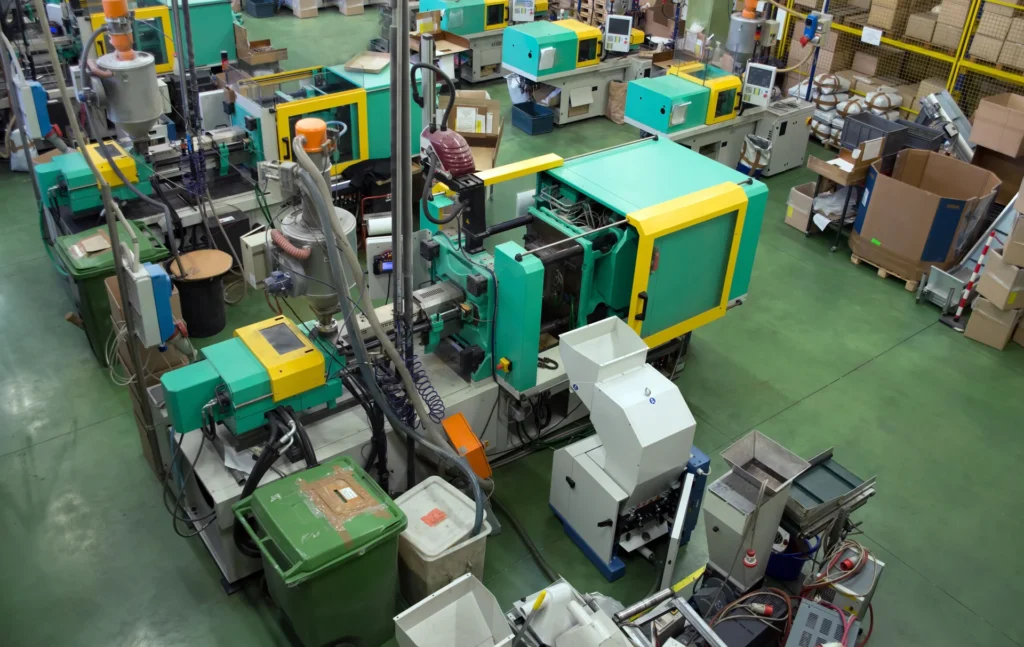
Most molders don’t think of themselves as recyclers. But every shot from a cold-runner tool produces plastic you paid for and can’t sell, and every startup produces a few parts nobody wants. That material either goes back into production or goes into a dumpster. Both choices cost money. Only one gets any of it back. […]
From Off-Spec Pipe to Usable Regrind: Size Reduction for Plastics Extruders

Every extrusion line makes scrap. Startup lengths come off before the line settles. A die change leaves a run that misses tolerance. A coil gets kinked out in the yard. None of that means the plant is badly run. It’s simply what running a plant costs. What separates one extruder from another is what happens […]
Single-Shaft vs. Dual-Shaft Shredders: Which Design Fits Your Material?

Both designs reduce bulky material. They do it in different ways, produce different output, and fit different places in a recycling line. “Single shaft or dual shaft?” is one of the first questions a buyer runs into when shopping for an industrial shredder. It sounds like a feature comparison, but it is really a question […]
Shredder Rotor Types Explained: What Rotor Design Means for Your Material
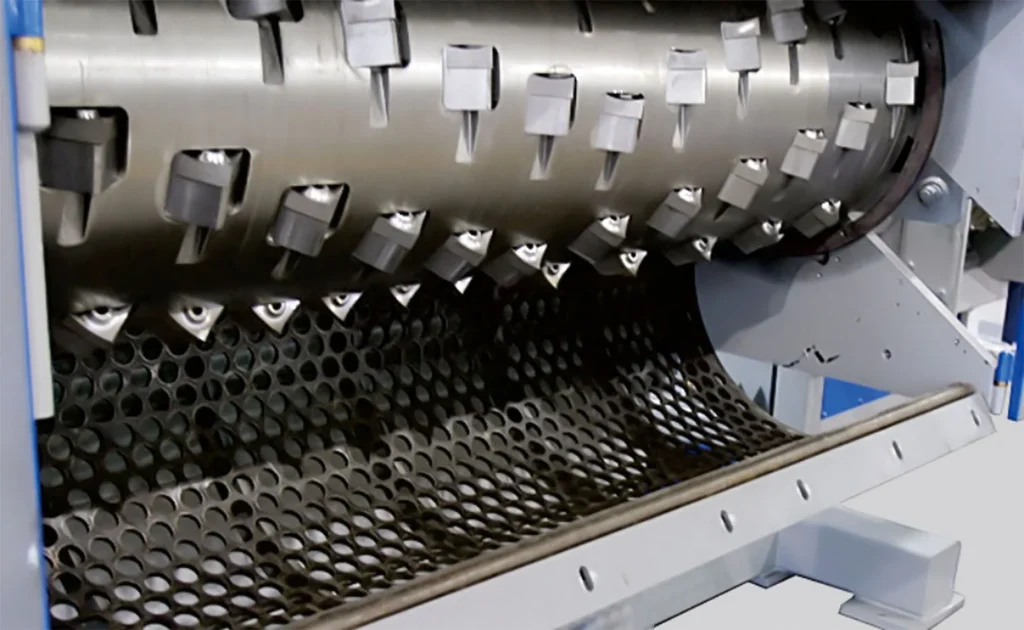
The rotor is the heart of a shredder. Its diameter, speed, width and knife design decide what the machine can handle and what comes out the other side. Two shredders can have similar motors and similar footprints and still behave completely differently on the same material. Most of that difference comes from the rotor. Researchers […]
The First Day Sets the Whole Service Life
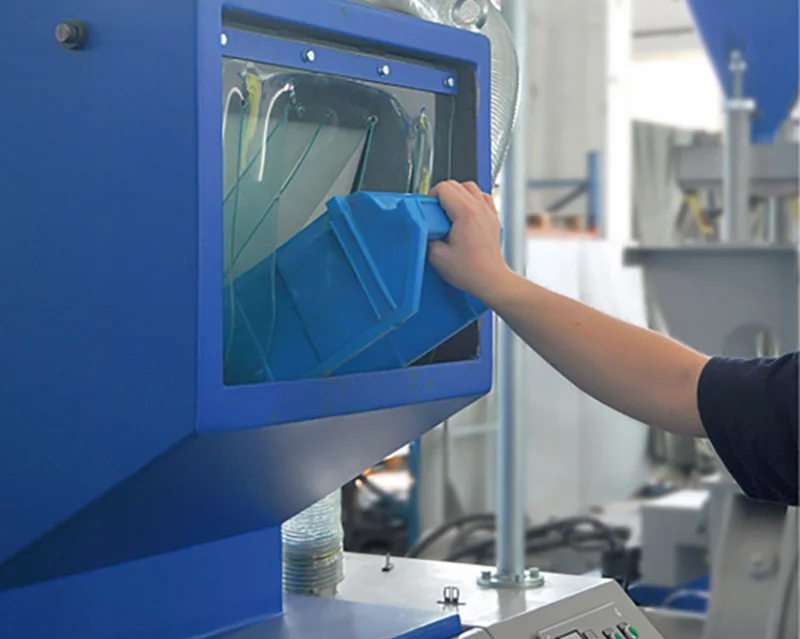
A new shredder or granulator is easiest to ruin in its first few hours: skipped guarding checks, a rushed first feed, a break-in nobody did. Here is a practical commissioning checklist that protects the machine and the operator from day one. The failures that stop a line are almost never surprises. They are the predictable […]
Heat Is the Enemy of Good Regrind

Cutting plastic turns mechanical work into heat, and heat softens flake, degrades polymer, and stresses machines. It rarely gets discussed until regrind starts clumping. Here is where the heat comes from and how to keep it in check. Size reduction is, at bottom, a conversion of energy. The drive motor puts mechanical work into the […]
The Spec Sheet Says 1,000 lb/hr. Your Floor Says 600. Both Can Be True.

A rated throughput number is an answer to a question about ideal material. Feed the machine something bulkier, harder, or finer, and the real number moves. Here is how to read a throughput figure so you size a machine that actually keeps up. Every throughput figure on a spec sheet carries an unstated assumption: that […]
Contamination Is the Silent Tax on Your Regrind
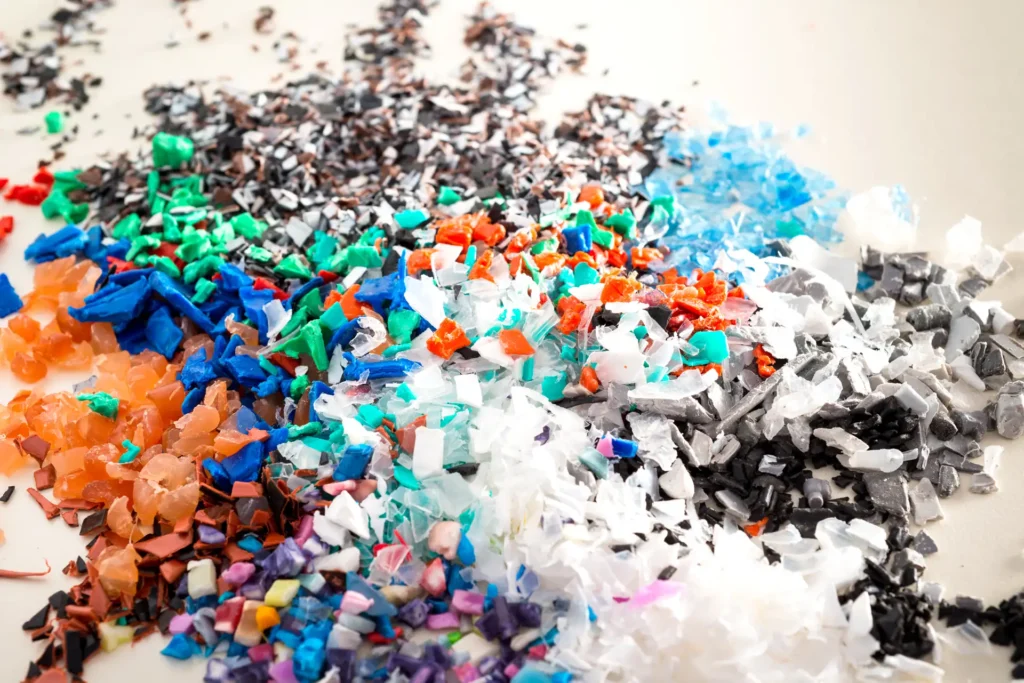
A tramp bolt, a handful of grit, a stream of fines. None of it shows up on the purchase order, but all of it shows up in your blade bills, your throughput, and the price your regrind fetches. Here is how to stop paying it. Two loads of the same plastic can be worth very […]