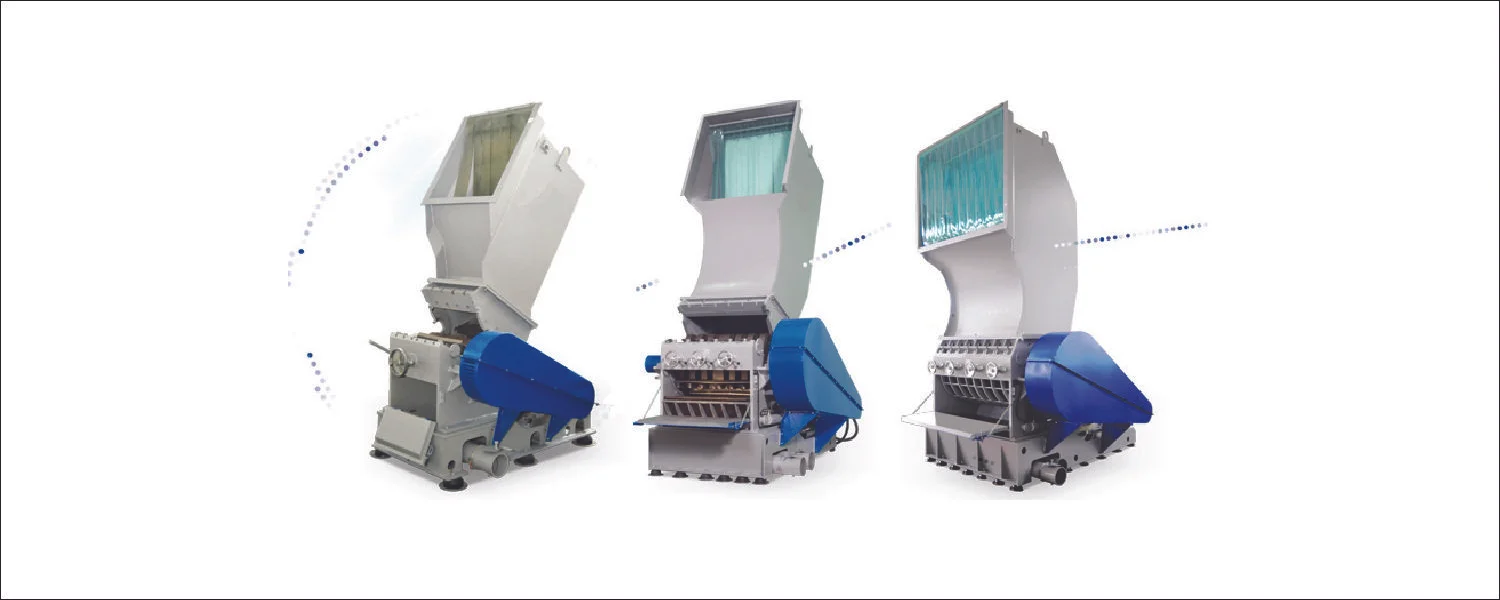
Choosing the right plastic granulator is a critical investment decision for manufacturers and recyclers. The wrong configuration can increase downtime, energy costs, and maintenance expenses, while the right one improves efficiency, material recovery, and long-term ROI.
As a trusted Plastic Recycling Equipment Supplier in the USA, Zerma America works closely with industrial buyers to ensure every plastic granulator matches real-world production needs. This guide explains the top 10 technical specifications buyers should evaluate before ordering Plastic Granulators for industrial applications.
1. Granulator Type:
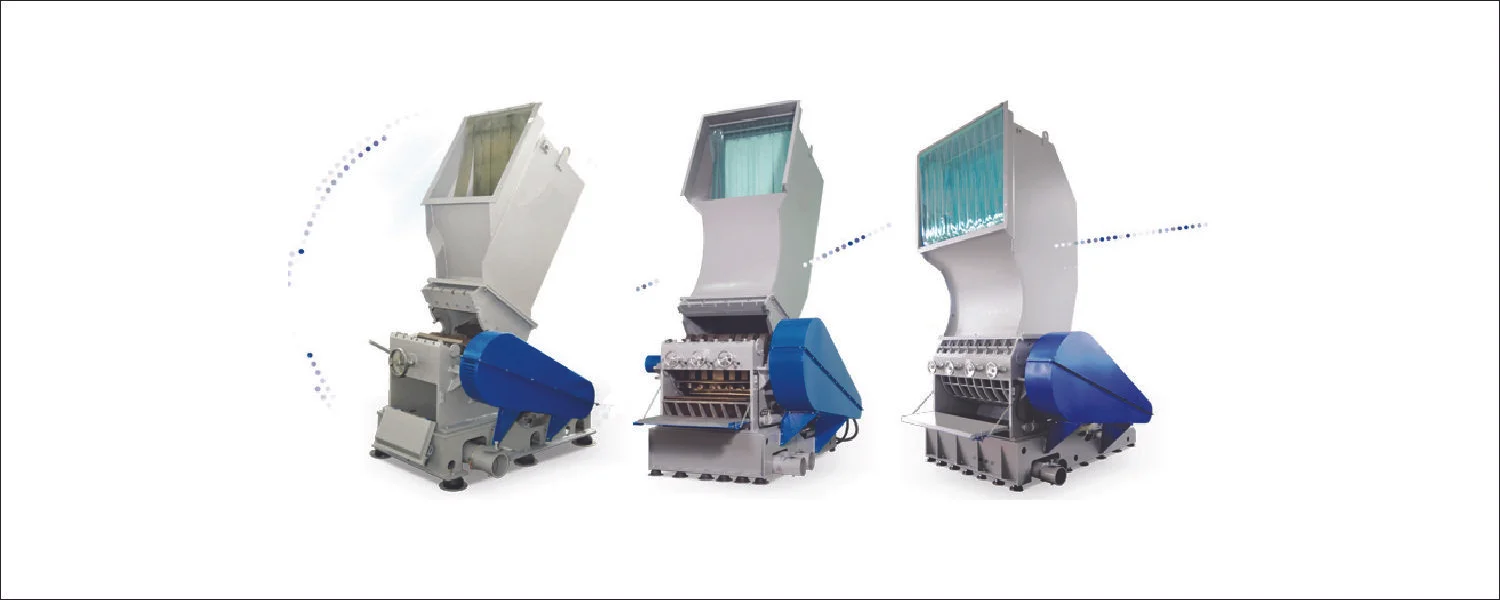
Selecting the correct granulator type is the most important decision when investing in a plastic granulation system. The granulator’s design determines how efficiently it processes material, how smoothly it integrates into your production line, and how reliable it performs over long-term industrial use. Each granulator type is engineered to handle specific material sizes, shapes, and production workflows, making this choice critical for operational success.
Different granulator types vary in cutting technology, feeding method, footprint, noise level, and throughput capacity. Choosing the wrong type can result in excessive wear, inconsistent granule size, higher energy consumption, and increased downtime. Industrial buyers must evaluate scrap generation rate, material thickness, space availability, and recycling objectives before selecting a granulator.
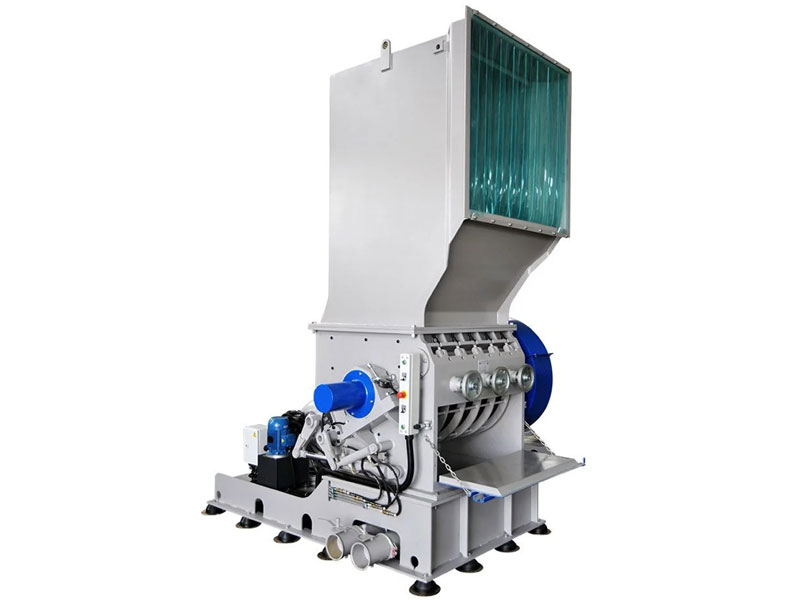
- Central Granulators – Designed for centralized recycling systems, these machines handle large volumes of plastic waste collected from multiple production lines. They are ideal for thick runners, purgings, and bulk plastic scrap, offering high throughput and heavy-duty performance.
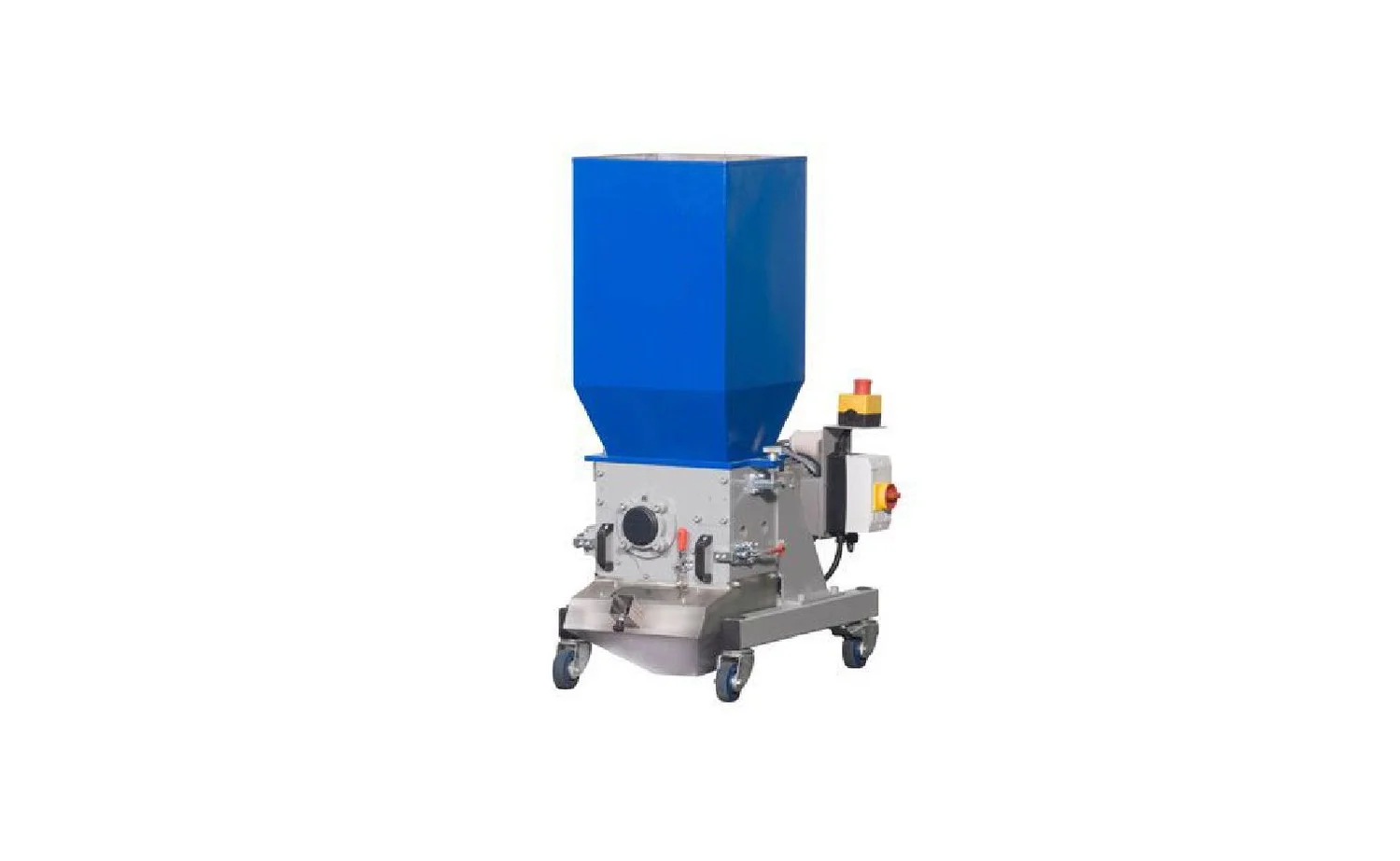
- Beside-the-Press Granulators – Installed next to molding or extrusion machines, these compact units allow immediate processing of runners and rejects. They reduce material handling, improve recycling efficiency, and support continuous production workflows.
- Roll-Feed Granulators – Engineered for continuous plastic materials such as sheets, films, and web scrap. Controlled feeding ensures uniform cutting, consistent granule size, and smooth operation in packaging and sheet extrusion applications.
- Low-Speed Granulators – Operate at reduced rotor speeds to produce clean, uniform regrind with minimal fines and dust. Their quiet operation and low wear make them ideal for precision environments and applications requiring high material quality.
2. Motor Power and Capacity:
Motor power and capacity are critical factors that directly influence a plastic granulator’s performance, reliability, and operating efficiency. The motor provides the driving force behind the cutting system, determining how effectively the granulator can process different plastic materials without stalling, overheating, or excessive wear.
Selecting the correct motor power is not simply about choosing the largest motor available. An undersized motor may struggle with thick or rigid plastics, leading to frequent stoppages and reduced throughput. On the other hand, an oversized motor can result in unnecessary energy consumption and higher operating costs. Industrial buyers must carefully match motor capacity to material type, volume, and production intensity.
Granulator motor capacity is typically categorized as follows:
- Small Granulators – These units are equipped with lower horsepower motors and are designed for lightweight plastics, thin runners, and low-volume scrap. They are suitable for laboratories, small manufacturing setups, or auxiliary recycling tasks where material loads are minimal.
- Medium Granulators – Medium-capacity machines offer a balanced combination of power and efficiency. They are commonly used in general manufacturing environments where moderate volumes of scrap are generated continuously. These granulators can handle a wide range of plastic materials without excessive energy use.
- Large Granulators – High-capacity granulators feature powerful motors designed to process thick, rigid, or bulky plastic waste. These machines are essential for centralized recycling systems and heavy-duty industrial applications where high throughput and continuous operation are required.
3. Cutting Chamber Design:
The cutting chamber is the core working area of a plastic granulator and plays a decisive role in material processing efficiency, granule consistency, blade life, and overall machine durability. A well-designed cutting chamber ensures smooth material flow, precise cutting action, and reliable long-term operation, even under demanding industrial conditions.
Industrial buyers should carefully evaluate the cutting chamber layout based on material type, scrap size, and desired granule quality. Poor chamber design can lead to uneven cutting, excessive fines, increased wear on knives, and higher maintenance costs.
- Rotor and Blade Configuration:
The rotor design determines how material is drawn into the cutting zone and how efficiently it is processed. Open or closed rotor configurations affect cutting aggressiveness, throughput, and energy consumption. Proper blade positioning ensures consistent cutting pressure, smooth material flow, and reduced vibration during operation.
- Knife Material:
Knife quality directly impacts cutting efficiency and service life. High-grade, hardened steel knives maintain sharp cutting edges longer, reduce downtime for blade changes, and ensure uniform granule size. Inferior knife materials wear faster and increase operating costs over time.
- Adjustability:
Adjustable knife settings allow operators to fine-tune cutting gaps based on different plastic materials and thicknesses. This flexibility improves granulation performance, minimizes fines, and extends blade lifespan. Easy adjustability also simplifies maintenance and reduces setup time when switching materials.
A properly engineered cutting chamber not only improves granulation quality but also enhances machine reliability and safety. For industrial operations, investing in a robust cutting chamber design results in better performance, lower maintenance requirements, and a higher return on investment.
4. Screen Size and Mesh Options:
Screen size and mesh configuration play a crucial role in determining the final granule size, consistency, and usability of processed plastic material. The screen acts as a sizing control mechanism, allowing only material that meets the required dimensions to exit the cutting chamber. Selecting the correct screen setup ensures that the granulated material is suitable for downstream processes such as extrusion, injection molding, or compounding.
Industrial buyers must consider material type, end-use requirements, and throughput expectations when choosing screen specifications. An incorrectly sized screen can lead to inconsistent granules, excessive fines, or reduced machine efficiency.
- Standard Screen Sizes: Standard screen sizes are designed to meet the needs of most industrial recycling and manufacturing applications. They provide predictable and consistent granule dimensions, making them ideal for general-purpose granulation where uniform output is required.
- Customizable Mesh Options: Custom mesh configurations allow buyers to fine-tune granule size for specific applications. Smaller mesh openings produce finer granules, while larger openings allow higher throughput with coarser output. Customization is especially valuable for operations that require precise material specifications or process multiple plastic types.
- Screen Material: The durability of the screen material directly affects performance and longevity. High-strength, wear-resistant screen materials maintain their shape under continuous operation and resist deformation caused by abrasive plastics. Durable screens reduce maintenance frequency and ensure consistent granule quality over time.
Proper selection of screen size and mesh options enhance granulator performance, improves material quality, and prevents production bottlenecks. For industrial operations, investing in the right screen configuration supports efficiency, consistency, and long-term reliability.
5. Throughput Capacity:
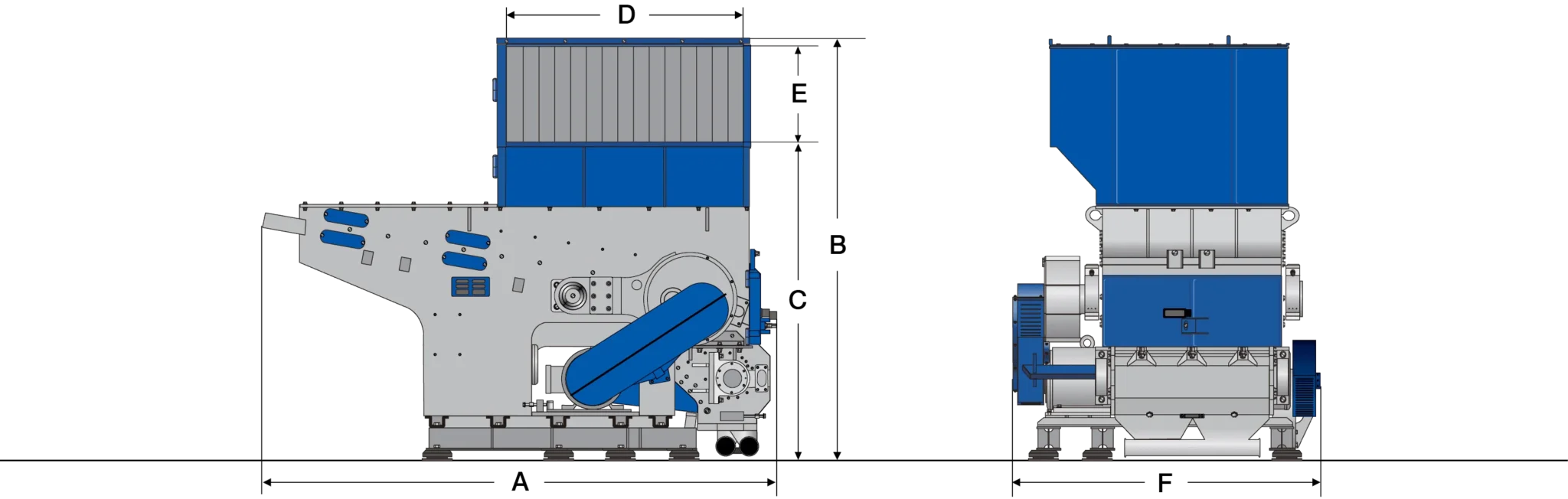
Throughput capacity defines how much plastic material a granulator can process within a specific time frame, typically measured in kilograms or pounds per hour. It is one of the most important performance indicators for industrial buyers, as it directly affects production efficiency, workflow continuity, and overall system productivity.
Selecting a granulator with insufficient throughput capacity can create processing bottlenecks, slow down production lines, and increase operational costs. Conversely, choosing a machine with excessive capacity may lead to unnecessary capital and energy expenses. Industrial buyers must carefully align throughput capacity with actual scrap generation rates and production volume.
- Low Throughput: Low-throughput granulators are designed for small-scale operations, pilot plants, or auxiliary recycling tasks. They are suitable for light scrap, intermittent processing, or environments where material volumes are limited and production runs are short.
- Medium Throughput: Medium-capacity granulators support steady industrial operations with consistent scrap generation. They are commonly used in manufacturing facilities where production lines generate moderate amounts of plastic waste throughout the day and require reliable, continuous granulation.
- High Throughput: High-throughput granulators are engineered for demanding industrial environments and centralized recycling systems. These machines can process large volumes of plastic waste continuously, making them ideal for heavy-duty recycling operations and facilities using Granulators for Plastics Recycling at scale.
Matching throughput capacity to production needs ensures smooth operation, reduces downtime, and maximizes return on investment. Proper capacity selection also improves energy efficiency and extends the lifespan of the granulator and its components.
6. Energy Efficiency:
Energy efficiency directly affects operating costs and long-term return on investment when using a plastic granulator. Efficient machines reduce power consumption while maintaining consistent cutting performance, making them ideal for continuous industrial use.
- Variable Speed Drives allow the motor to adjust speed based on material load, reducing unnecessary energy usage and improving process control.
- High-Efficiency Motors consume less electricity while delivering stable performance, helping lower overall operating costs.
- Energy Recovery Systems minimize energy loss during operation and improve sustainability in high-volume recycling environments.
Selecting an energy-efficient granulator helps industrial buyers reduce utility expenses, extend equipment life, and support environmentally responsible operations.
7. Noise and Vibration Levels:
Noise and vibration control are important factors for workplace safety, operator comfort, and regulatory compliance. Excessive noise can affect productivity, while high vibration levels may lead to faster equipment wear and maintenance issues.
- Low-Speed Granulators operate more quietly due to reduced rotor speed and smoother cutting action.
- Sound Enclosures help contain noise, making granulators suitable for indoor and production-floor installations.
- Vibration Dampening Systems improve machine stability, protect internal components, and extend equipment lifespan.
Choosing a granulator with effective noise and vibration control ensures a safer working environment and more reliable long-term operation.
Safety Features:
Safety features are essential when selecting a plastic granulator, as they protect operators and ensure compliance with industrial safety standards. Proper safety design reduces the risk of accidents and supports smooth day-to-day operation.
- Emergency Stop Mechanisms: allow immediate shutdown in case of unsafe conditions.
- Safety Interlocks: Dual-channel interlocks that prevent the machine from starting if the hopper or screen cradle is open.
- Guarding and Shields: protect operators from moving parts and flying debris.
- Compliance with Standards: ensures the equipment meets required safety regulations and industry guidelines.
Prioritizing safety features helps create a secure work environment while maintaining reliable production performance.
Maintenance and Serviceability:
Ease of maintenance and serviceability directly impact equipment uptime and long-term operating costs. A well-designed plastic granulator should allow quick servicing with minimal production interruption.
- Tool-Free Access enables faster blade changes and routine inspections.
- Modular Components simplify repairs and reduce downtime by allowing quick replacement of parts.
- Availability of Spare Parts ensures uninterrupted operation and long-term equipment reliability.
Choosing a granulator with easy maintenance features helps reduce downtime, extend machine life, and lower overall operating costs.
Compliance and Certifications:
Compliance and certifications confirm that a plastic granulator meets required safety, quality, and regulatory standards. These certifications help industrial buyers ensure legal operation and consistent machine performance.
- CE Certification indicates the equipment meets European safety and health requirements.
- ISO Standards demonstrate quality management, manufacturing consistency, and reliability.
- Local Regulatory Compliance ensures the granulator meets U.S. safety and environmental regulations.
Selecting certified equipment reduces risk, improves workplace safety, and ensures long-term operational confidence.
Conclusion:
Investing in Plastic Granulators is a long-term commitment. By focusing on these ten technical specifications, you can ensure your facility operates with maximum uptime and the lowest possible cost per pound of regrind.
Whether you need a low-speed unit for beside-the-press use or a heavy-duty central system, Zerma America is the Plastic Recycling Equipment Supplier you can trust for engineering excellence and local support.
Frequently Asked Questions (FAQs):
1. What are Plastic Granulators used for?
Plastic Granulators are used to reduce plastic waste into uniform granules that can be reused in manufacturing or recycling processes.
2. How do I choose the right Granulators for Plastics?
Selection depends on material type, throughput needs, noise requirements, and whether the system is centralized or beside-the-press.
3. What affects Plastic Granulators Price?
Price depends on machine size, motor power, cutting chamber design, automation level, and safety features.
4. Are Granulators for Plastics Recycling suitable for industrial use?
Yes, heavy-duty granulators are specifically designed for continuous industrial recycling operations.
5. Why is it important to buy from a reliable Plastic Granulators Supplier?
A reliable supplier ensures machine quality, spare parts availability, technical support, and long-term operational reliability.
6. Is Zerma America a Plastic Recycling Equipment Supplier in the USA?
Yes, Zerma America is a trusted Plastic Recycling Equipment Supplier offering granulators and complete recycling solutions across the USA.