The sticker price is the one cost you pay once. Energy, blades, downtime, and the value of the regrind you produce are the costs you pay every hour for a decade. That is where the real decision lives.
There is a familiar way that buying equipment goes wrong. The purchase price comes in under budget, everyone signs off, and the machine that looked like a bargain quietly costs more every single year it runs. The reason is total cost of ownership, or TCO: the full economic picture across the machine’s life, not the number on the invoice. For a size-reduction machine that may run for a decade or more, the invoice is often the smallest line in the total.
Across a granulator’s operating life, electricity and consumables usually add up to more than the machine cost. Industry cost analyses report that electricity alone can account for roughly 40 to 60 percent of total operating cost.[1] A machine that is cheaper to buy but hungrier to run can be the more expensive choice by year two.
The four costs behind the purchase price
1. Energy: the quiet giant
Every size-reduction machine converts electricity into cutting, and a portion into heat. The efficiency of that conversion is a real, recurring cost. Published benchmarks put granulator energy consumption in the range of roughly 40 to 150 kWh per ton depending on material and configuration, and one worked example, a 1-ton/hour granulator running 4,000 hours a year on rigid HDPE at $0.10/kWh, lands around $20,000 to $24,000 in annual energy cost alone.[2] That is per year. Over ten years it dwarfs most purchase prices.
This is why the cutting-gap and screen decisions from our engineering articles are not just technical trivia: a machine that tears instead of shears, or runs an unnecessarily small screen, burns money on the power bill every hour.
2. Blades and wear parts
Blades are re-sharpenable, not disposable, which changes the math in your favor if you plan for it. A tool-steel blade set can typically be reground on the order of 6 to 10 times before replacement.[3] Matching blade steel to your feedstock, and keeping a re-grind schedule, turns wear from an unpredictable expense into a budgeted one. Screens, belts, and bearings round out the consumables.
3. Downtime
An idle line costs far more than the repair that idled it. Maintenance guidance attributes the majority of total downtime cost to unexpected breakdowns, and finds that disciplined preventive maintenance can extend equipment life from a typical 8–10 years to 12–15 years.[2] Reliability is not a soft benefit; it is dollars.
4. The value of the regrind itself
This is the cost people forget, and it can dwarf the others. Clean, correctly sized, low-fines regrind can go straight back into production, displacing virgin resin you would otherwise buy. Contaminated or off-spec regrind gets downgraded or landfilled. The machine that produces better regrind is not just cheaper to run; it produces a more valuable output. That is the difference between a cost center and a resin-recovery asset.
Where the money goes over a granulator’s life
Illustrative split of lifetime cost for a well-utilized industrial granulator. The purchase price is real, but recurring energy, consumables, and downtime dominate the total over 10+ years.

Illustrative allocation consistent with cost analyses reporting electricity at ~40–60% of operating cost.[1] Your split depends on utilization, power price, material, and maintenance.
How to compare two machines honestly
When two quotes land on your desk, the purchase prices are the least useful numbers on the page. Build a simple TCO comparison instead.
| Line item | What to ask | Why it matters |
|---|---|---|
| Energy per ton | kWh/ton on your material | Largest recurring cost; compounds yearly |
| Blade life & re-grinds | Steel grade, re-grinds per set | Budgeted vs. surprise expense |
| Expected uptime | Maintenance access, parts lead time | Downtime is the hidden multiplier |
| Regrind quality | Fines, size consistency | Determines resin-replacement value |
| Support & parts | Local service, genuine parts | Keeps the machine earning |
Estimate annual energy cost = (kWh per ton) × (tons per year) × (your $/kWh). Add budgeted blades, screens, and service. Compare that recurring total between machines, then let the purchase price break the tie. The lower-recurring machine usually wins over the life of the asset.
Built to lower the number that matters
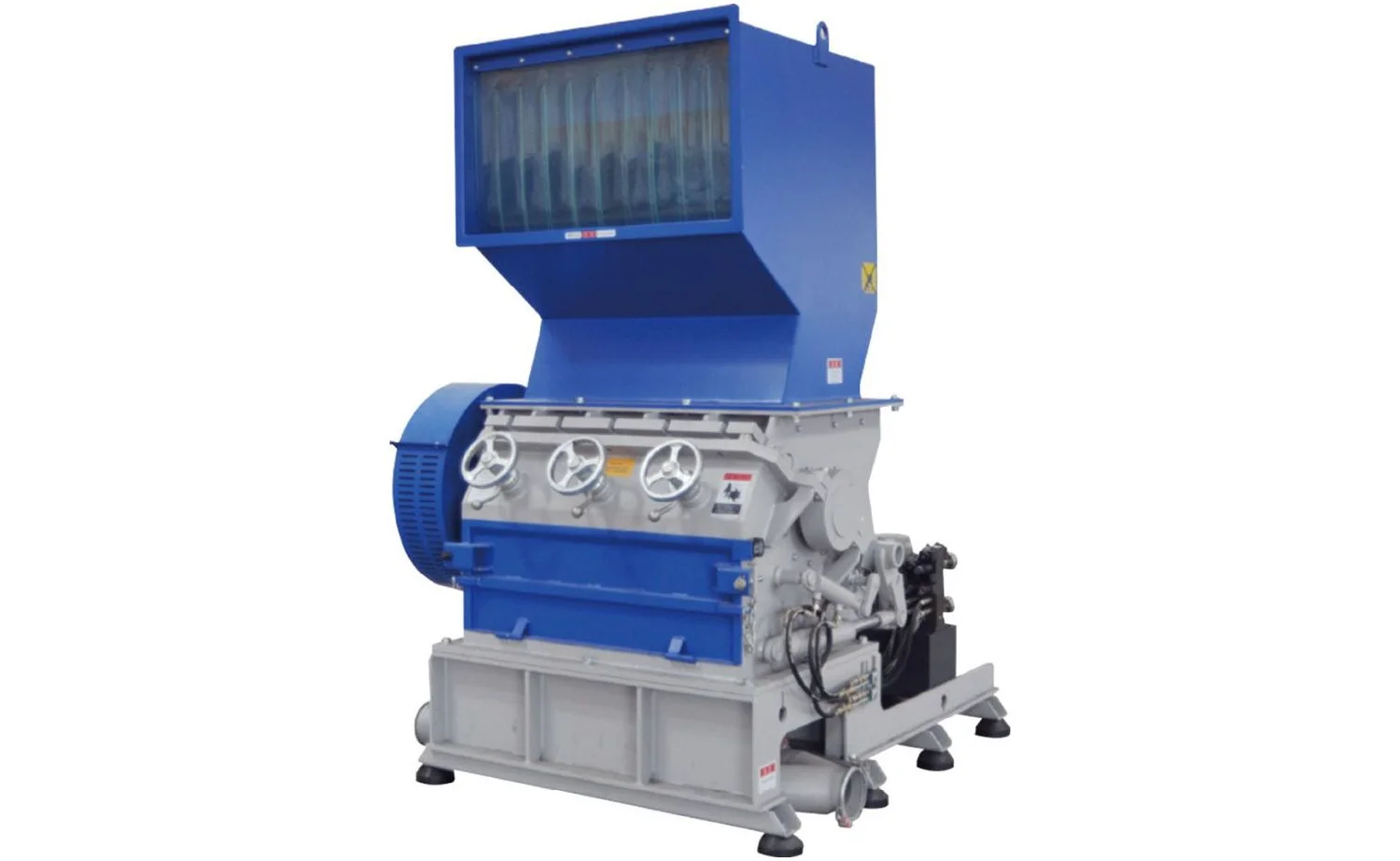
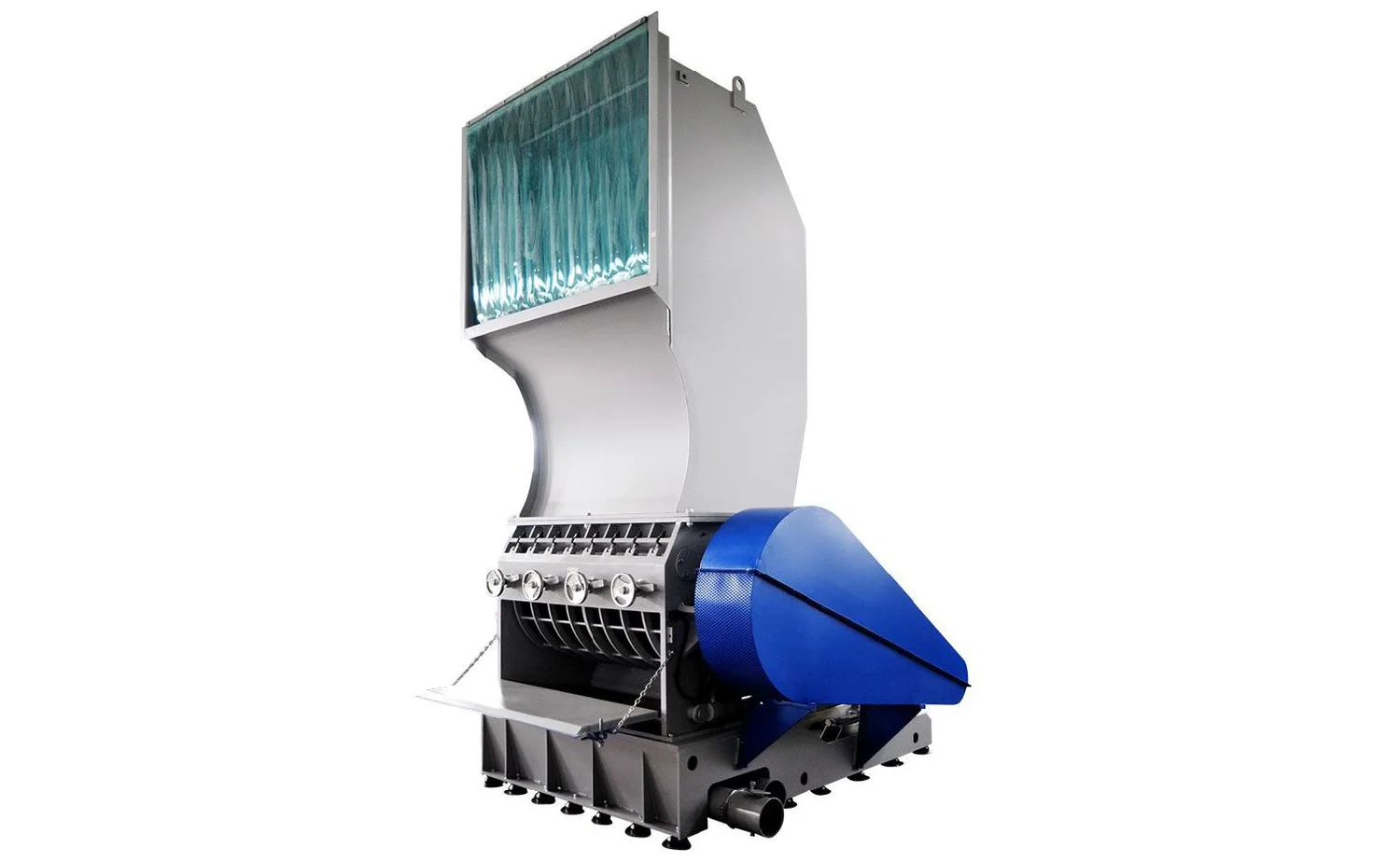
ZERMA has designed size-reduction equipment since the 1950s, and the range reflects a TCO mindset: efficient cutting, re-sharpenable tool-steel blades, and designs matched to feedstock so you are not paying an energy penalty for a mismatch. The economical GSE line, for example, is engineered specifically around lower total cost of ownership through smart design and easy maintenance.
Get a real total-cost picture, not just a price
Send us your material and volume. We will help you estimate energy, wear, and regrind value so you can compare machines on what they actually cost to own.
Frequently asked questions
Is a cheaper granulator ever the right call?
Sometimes, for low-utilization or occasional-use applications where recurring costs stay small. The trap is buying on price for a machine that will run hard for years, where energy and consumables quickly overtake the purchase saving. Match the buying logic to how hard the machine will actually work.
How do I estimate energy cost before I buy?
Ask for kWh per ton on your material, multiply by your expected annual tonnage and your electricity rate. Published benchmarks (roughly 40 to 150 kWh per ton) give you a sanity-check range while you gather machine-specific numbers.
Does regrind quality really belong in a cost comparison?
Yes, and it is often the biggest factor. Regrind that can replace virgin resin has real dollar value; off-spec regrind that gets downgraded or discarded is a loss. A machine that produces cleaner, better-sized output improves the economics on the revenue side, not just the cost side.