The Scale of the Problem in the United States
The U.S. plastic waste situation is well-documented and striking. According to a 2022 report by Last Beach Clean Up and Beyond Plastics, drawing on data from the National Academies of Sciences, Engineering, and Medicine, the United States generated an estimated 46 million tons of plastic waste and recycled only 5 to 6% of it. The rest went to landfills, was incinerated, or entered the environment.
That low recycling rate is not primarily a collection problem. A large share of the plastic that goes unrecycled in industrial settings is material that was never processed. Scrap that arrives as bulky, irregular, or oversized pieces simply cannot move through a recycling stream without size reduction first. It sits in a dumpster or gets shipped out at a loss because the facility does not have the equipment to do anything else with it.
Where U.S. Plastic Waste Goes (2021 Estimates)
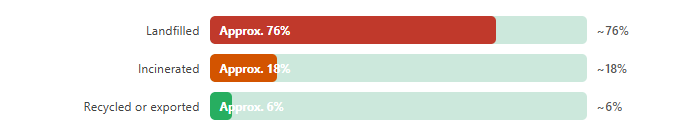
Source: Last Beach Clean Up and Beyond Plastics, The Real Truth About the U.S. Plastics Recycling Rate (2022), using National Academies of Sciences, Engineering, and Medicine data. Available at beyondplastics.org. Figures are estimates based on available data through 2021.
What Unprocessed Scrap Actually Costs a Facility
Most facilities think about the disposal cost of scrap. That is the most visible number: the hauler fee, the tipping fee at the landfill, or the broker margin on baled material. But that is not the full cost. There are three cost categories to consider.
The embedded resin value that is lost. Every kilogram of plastic scrap that goes to a landfill or is sold at a low price to a broker represents a kilogram of resin that was purchased at full price and then thrown away. For commodity resins like PE and PP, that is a direct and calculable loss per cycle, per shift, per year.
The cost of virgin resin to replace it. When in-house scrap is not recovered and reused, it has to be replaced by purchased virgin resin. That replacement cost compounds the loss from the initial disposal. A facility that recovers and reuses 10% of its production scrap through in-house shredding and granulation reduces its virgin resin purchases by that same percentage, permanently.
The compliance and documentation cost. Industrial buyers in automotive, consumer goods, and packaging are increasingly requiring their suppliers to document scrap recovery rates and regrind reuse percentages. A facility that cannot provide these numbers is at a disadvantage in supplier evaluations. A facility that can show a documented in-house shredding and recycling program is demonstrably better positioned.
Without In-House Shredding vs. With In-House Shredding
Without In-House Shredding
- Bulky scrap goes to landfill or broker
- Embedded resin value is lost entirely
- Disposal fees paid per load
- 100% virgin resin purchased to replace
- No scrap recovery rate to document
- No sustainability data for buyers
- Hard-to-process material accumulates
With In-House Shredding
- Bulky scrap is reduced and recovered
- Resin value recycled back into process
- Disposal volume and fees reduced
- Virgin resin purchases offset by regrind
- Measurable scrap recovery rate tracked
- Documented sustainability data available
- All material types processable in-house
The Industrial Shredder Market Is Growing Because This Problem Is Growing
Verified Market Reports valued the industrial plastic shredder market at $1.15 billion in 2024, projecting growth to $1.95 billion by 2033 at a 6.5% annual rate. The primary drivers are tightening regulations on plastic waste, rising recycled resin content requirements from major brands, and facilities recognizing that external disposal is not a long-term strategy.
IndexBox, in a June 2026 analysis of the global shredder market, projects growth at a 4.8% compound annual rate through 2035, driven by circular economy policies and rising recycled content specifications. Both analyses point to the same conclusion: in-house shredding capacity is shifting from a nice-to-have to a practical operating requirement for plastic processors who want to control their costs and their compliance story.
ZERMA America’s Industrial Shredder Range: A Machine for Every Problem
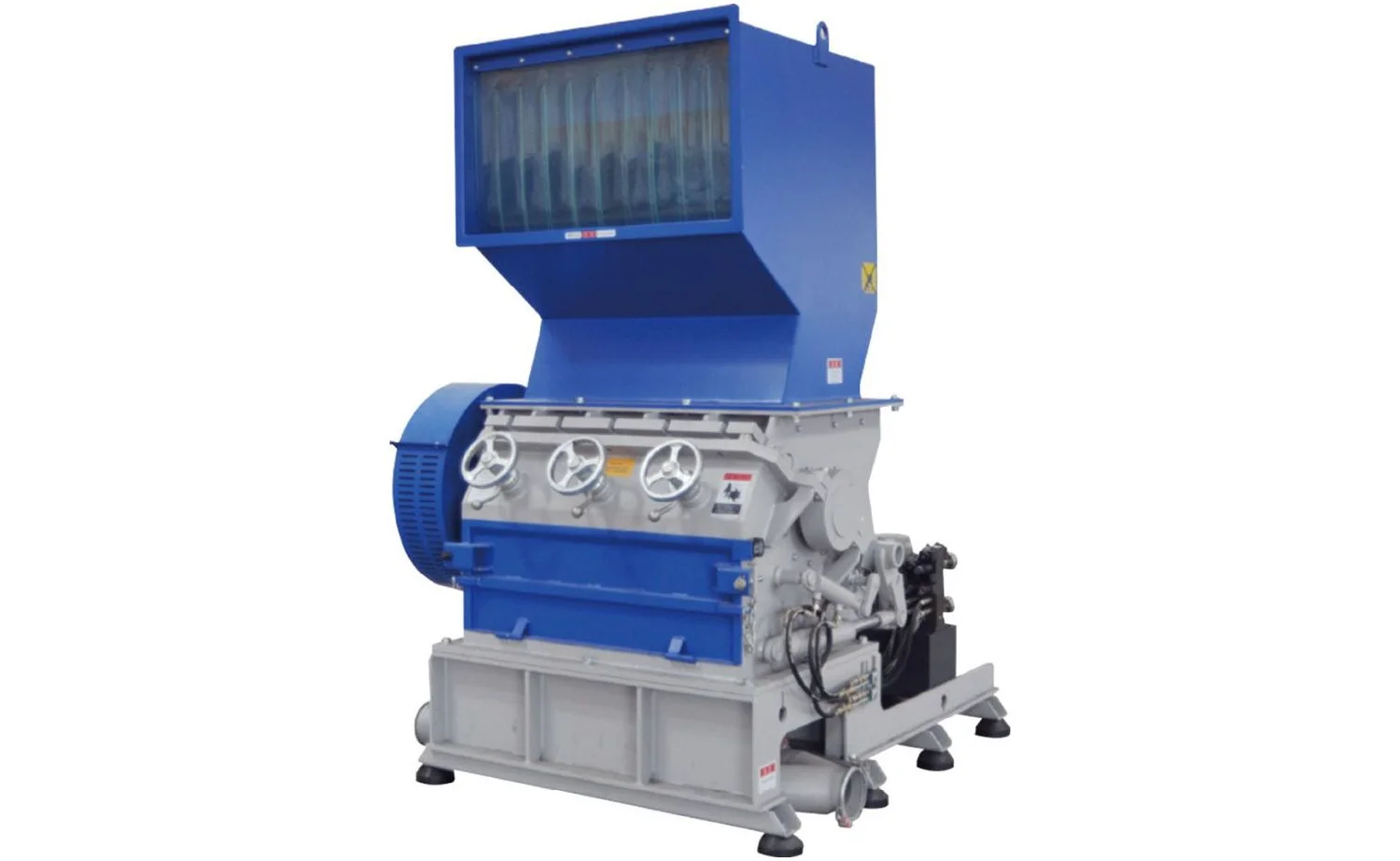
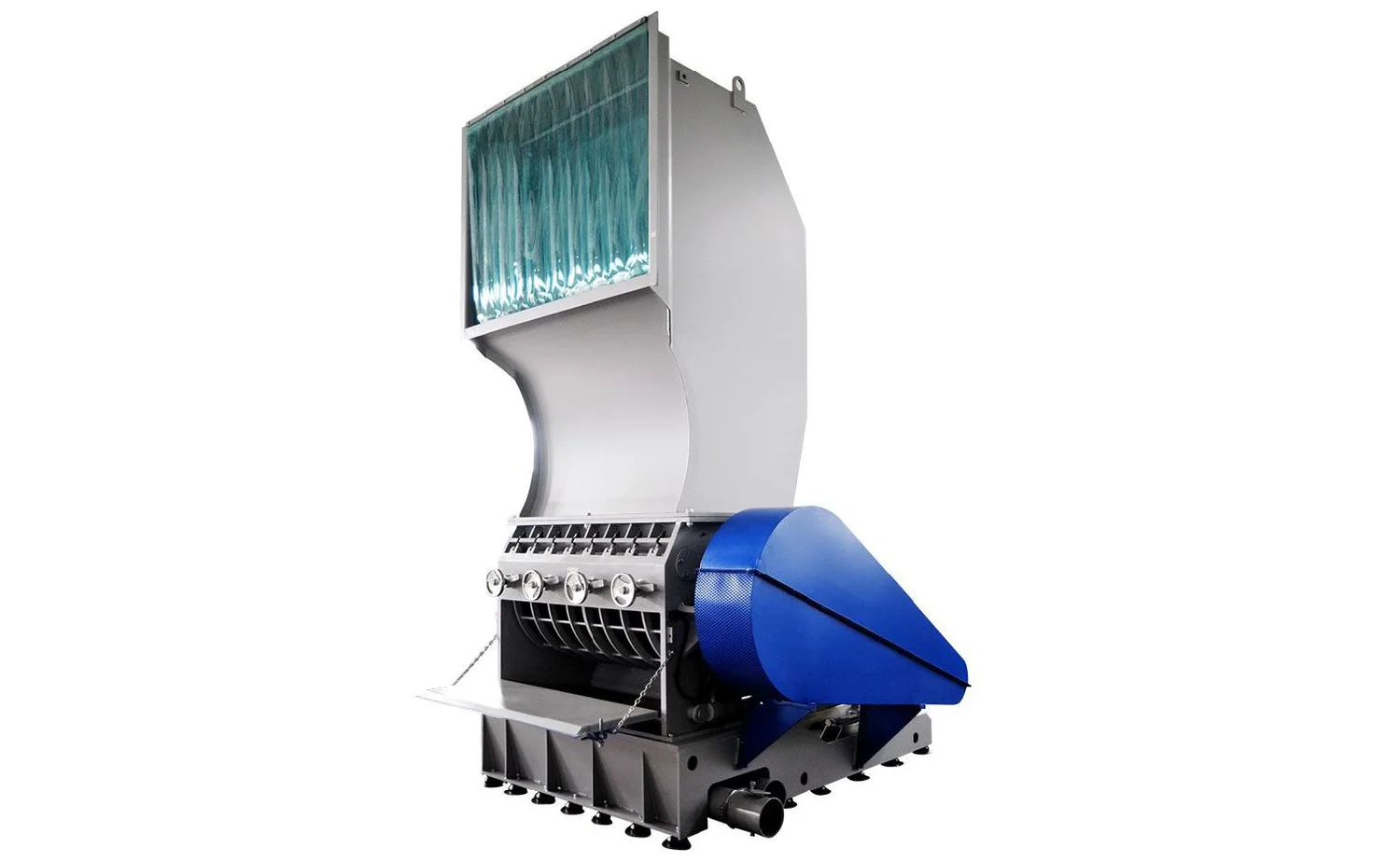
Not every bulky scrap problem looks the same. A facility processing end-of-life water tanks needs a different shredder than one handling purge and lumps from an injection molding line. ZERMA America manufactures a complete lineup of single-shaft industrial plastic shredders specifically designed for each application type.
ZSS General Purpose Shredder
For general plastic production scrap, film, bales, cables, and mixed waste streams that need reliable first-stage size reduction without specialized configuration.
ZXS Heavy Duty Shredder
For the most demanding applications where material density, throughput requirements, or input complexity exceeds what a general-purpose shredder handles comfortably.
ZIS Big Volume Shredder
For large hollow containers, IBCs, pallets, wheelie bins, and other voluminous parts that have low bulk density but require significant cutting force to process.
ZRS Pipe Profile Shredder
The world’s first single-shaft shredder designed to process large-diameter plastic pipe up to 1,200 mm without pre-cutting. Accepts pipe sections up to 6 meters long.
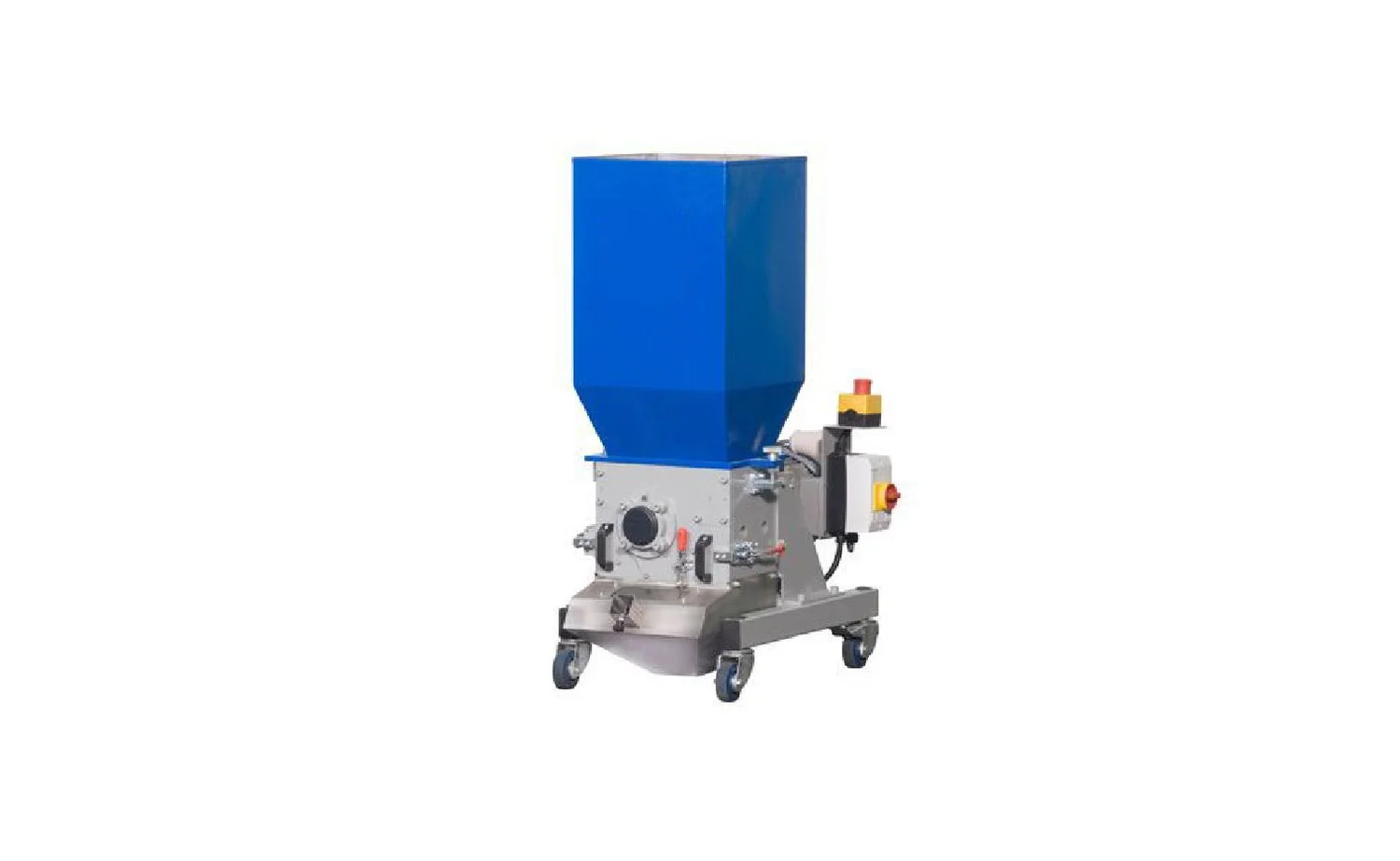
ZBS Lump and Purge Shredder
For in-house recycling of small lumps and purge material from injection and blow molding. Compact tangential infeed design, no hydraulic ram required, plug-and-play controls.
ZHS Horizontal Shredder
Angled hydraulic ram design for a wide range of input geometries. Handles plastics, wood, paper, and general waste streams economically with straightforward line integration.
Stop paying to dispose of scrap that could be recovered in-house. ZERMA America can identify the right industrial shredder for your operation.