Somewhere in a lot of extrusion plants, a person spends part of every shift cutting scrap into pieces small enough to fit a granulator. It rarely appears as a line item anywhere. It is just something that has always been done, absorbed into someone’s job, invisible in the budget.
It is worth pricing honestly, because extrusion is continuous. The scrap does not arrive in occasional batches you can deal with when convenient. It arrives every time you start a line, every time you shut one down, every time a run goes off-spec. A one-time chore would be a nuisance. A permanent one is a headcount.
Run the numbers on your own floor
You do not need our figures for this. You need yours, and they take about ten minutes to gather.
Watch what actually happens to a length of off-spec pipe or profile. Someone moves it. Someone cuts it, probably with a saw, probably several times. Someone stages the pieces. Someone feeds them. Multiply the time by how often it happens per shift, then by shifts per year, then by a loaded labor rate. That is the recurring cost of not having the right machine, and for most extrusion operations it is a good deal larger than people expect.
Then add the part that does not show up in a spreadsheet at all: a person, a saw, and long rigid material, repeated hundreds of times a year. Every manual handling step involving cutting tools is an exposure. Removing the step removes the exposure.
Why extrusion scrap defeats a standard granulator
Three properties of extruded scrap combine badly with a conventional cutting chamber.
It is long. A standard hopper is designed around parts, not lengths, so a run of pipe simply will not go in. It is rigid. Unlike film or a thin-walled part, it will not fold or compress to fit a smaller opening. And it is continuous, which is what turns the first two properties from an inconvenience into a structural labor cost.
A machine built for this material has to solve all three at once, and the way to do that is to stop asking the material to change shape and instead build a chamber that accepts it as it comes.
How the GSP handles it
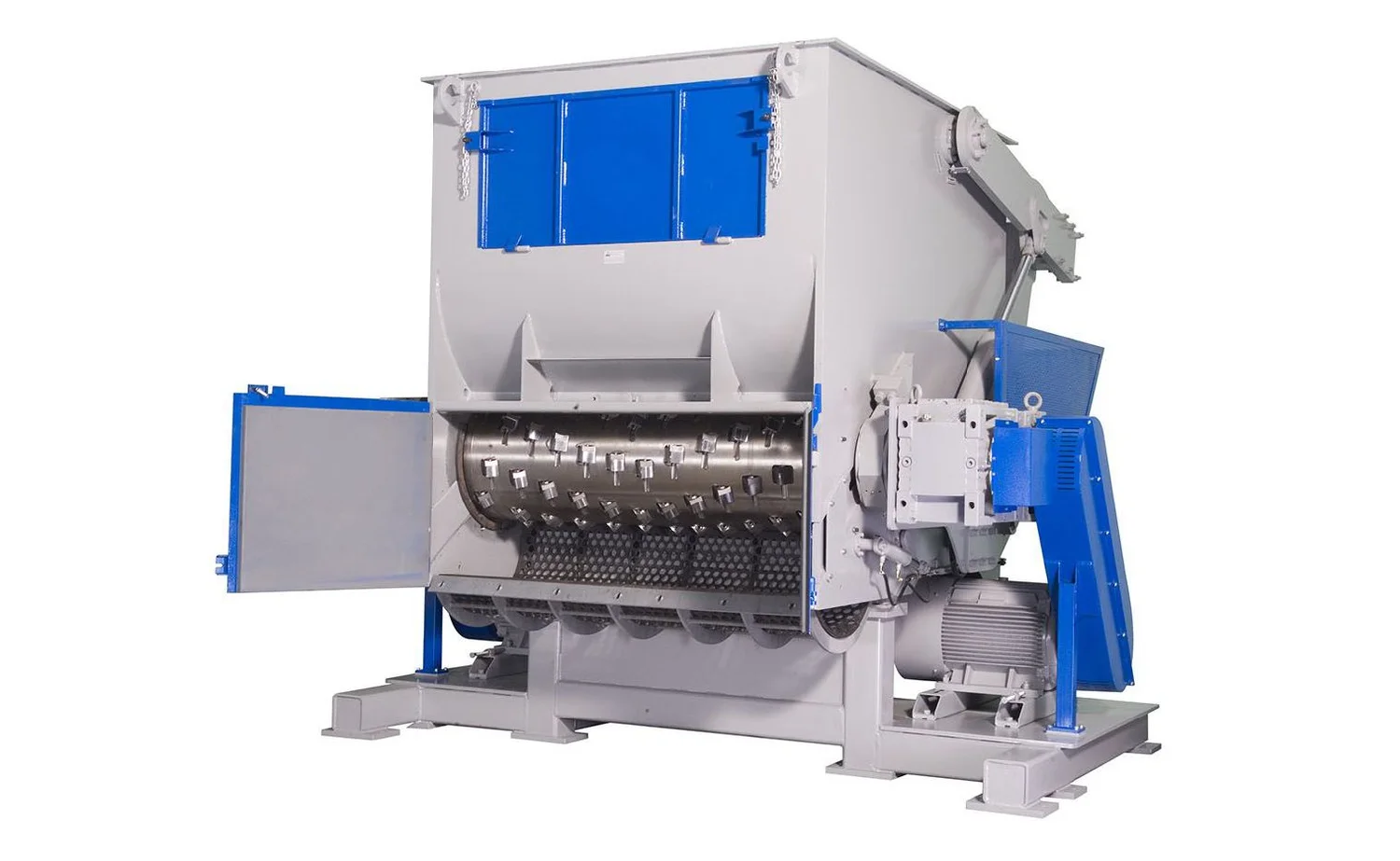
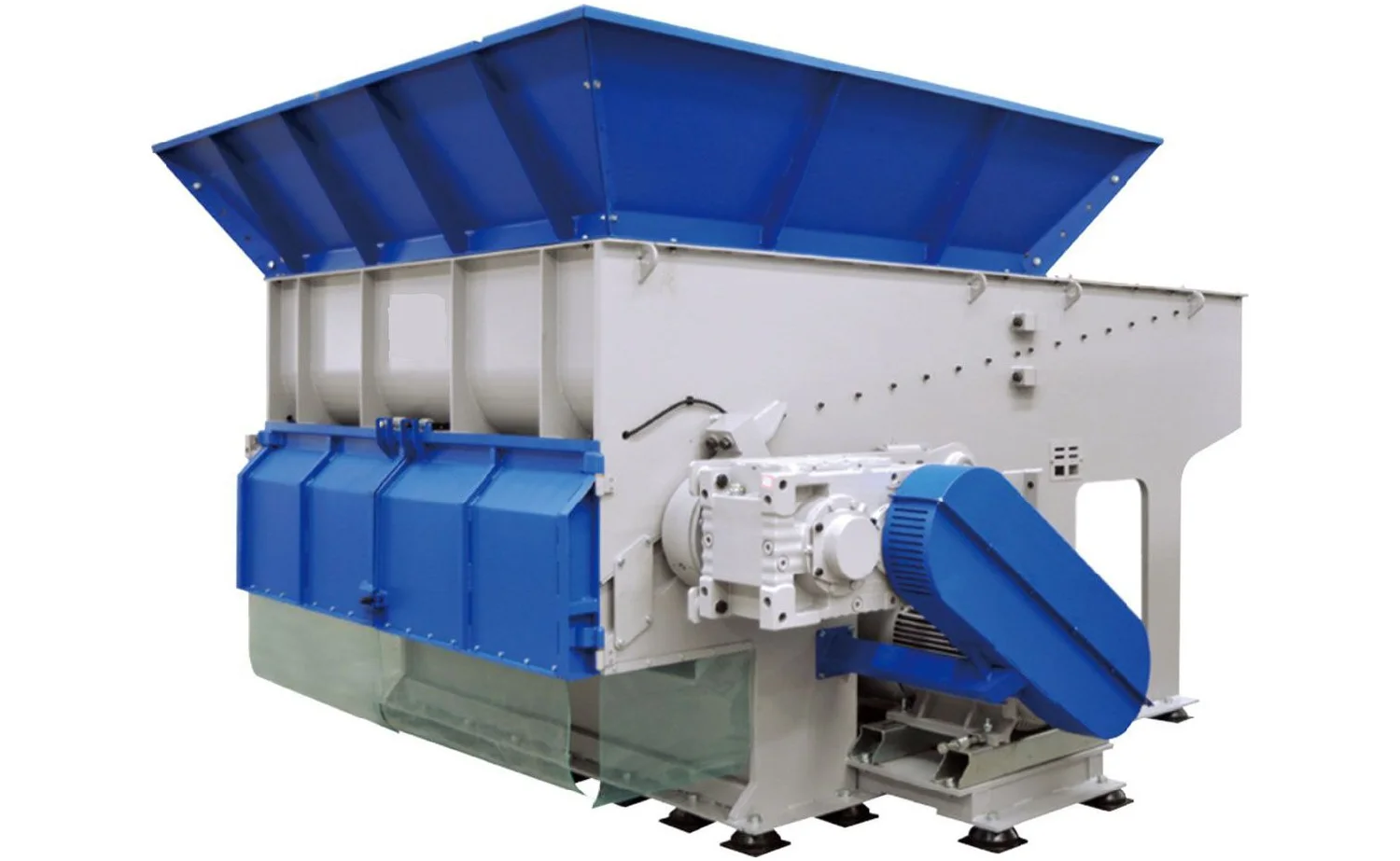
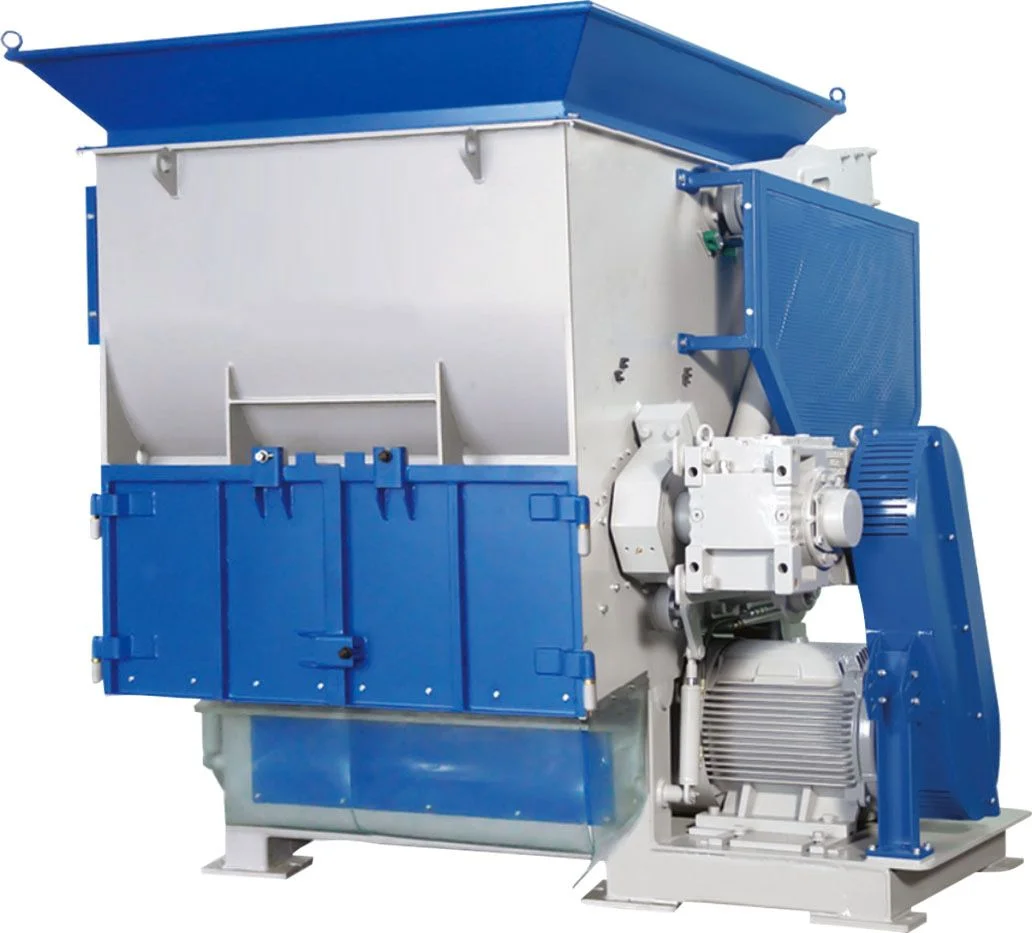
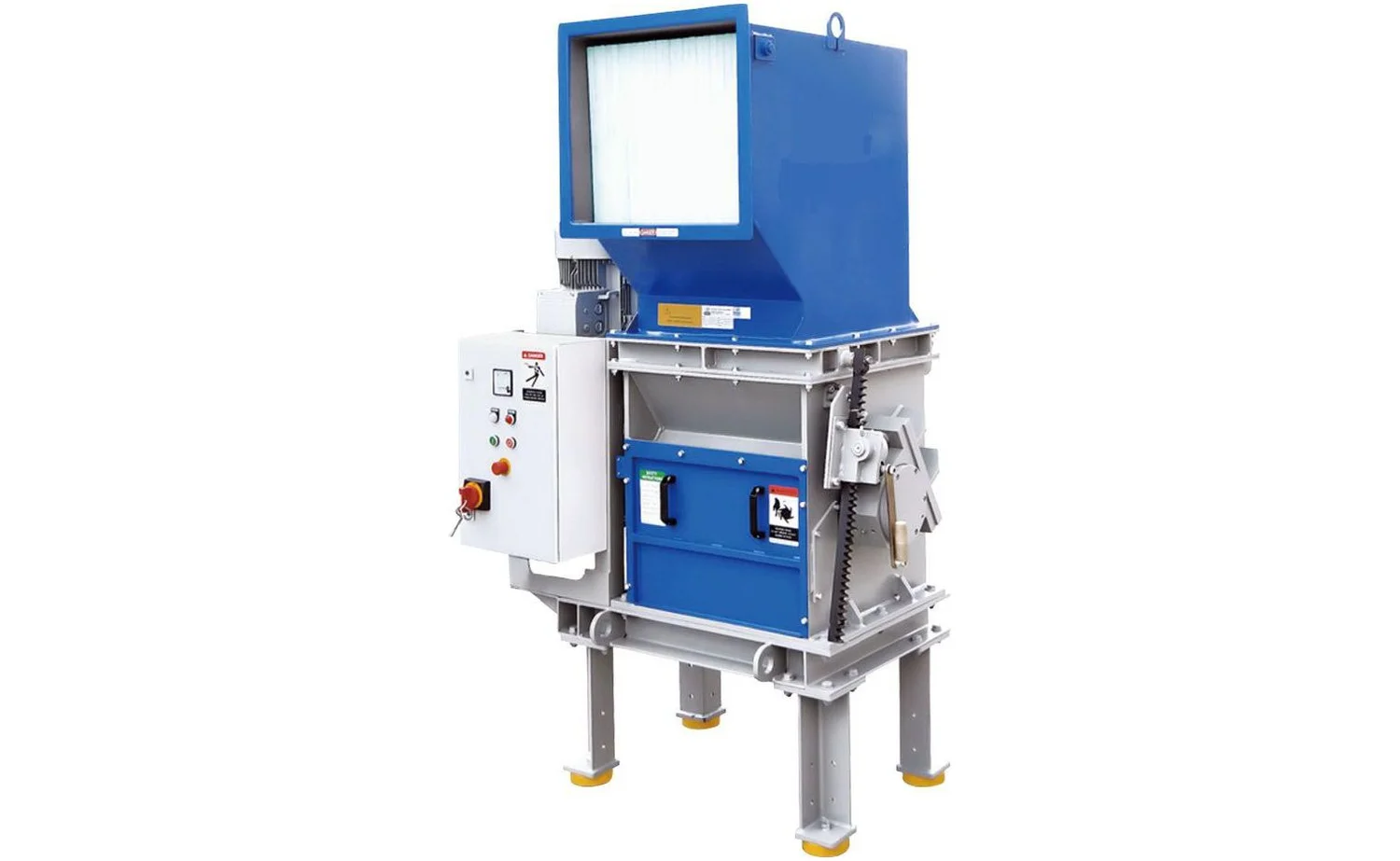
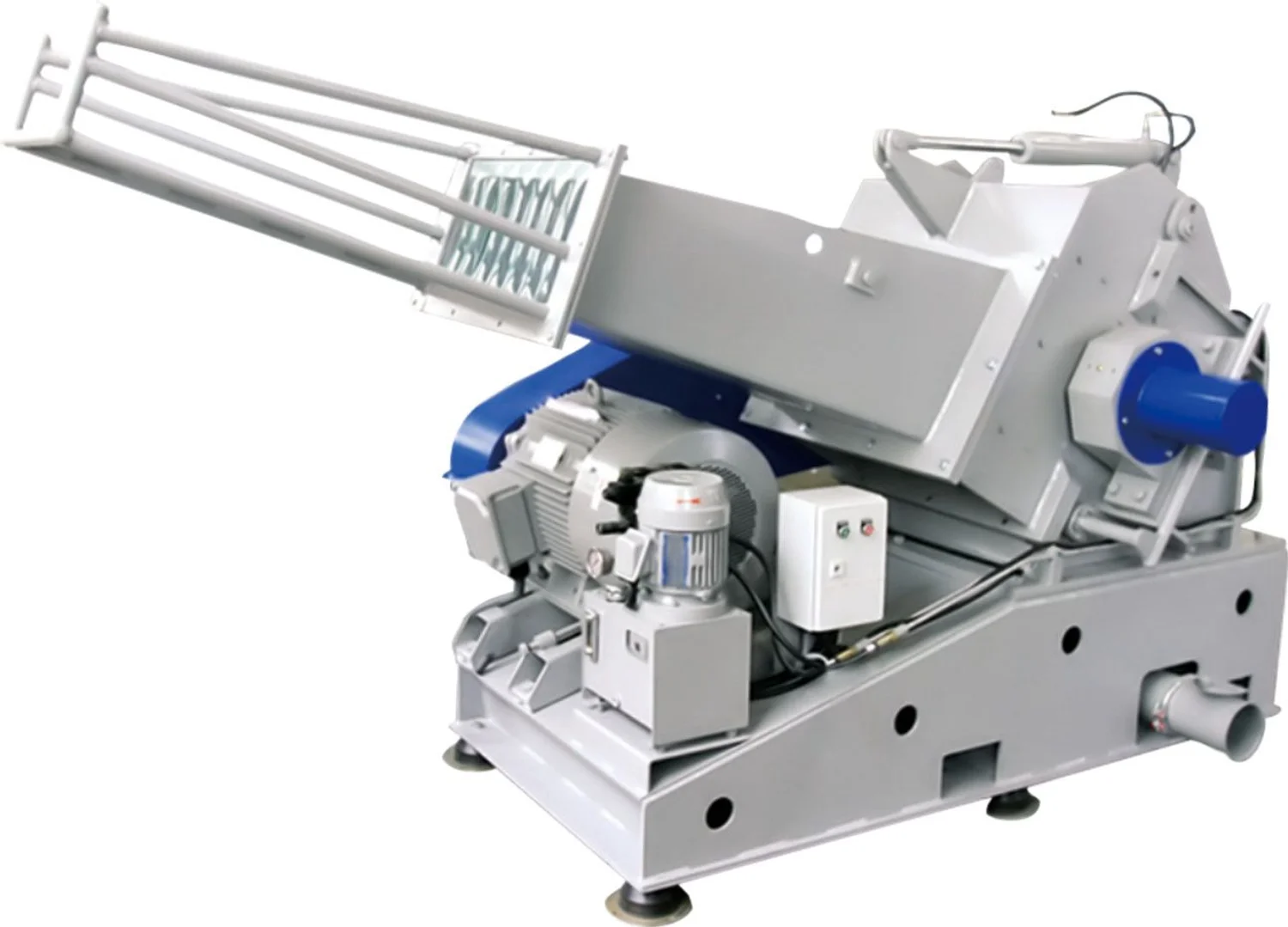
The defining feature of the GSP Series is the infeed. It uses a long, wide feed opening and a specially angled cutting chamber, which lets continuous pipes, channels, and window profiles be fed in directly with no pre-cutting. A powered infeed grips the length and draws it in at a controlled rate, so the rotor is neither starved nor overwhelmed and the material does not jam or kick back.
Inside, the cutting principle is the same one used across the ZERMA granulator range: a V-cut rotor shearing against stationary knives, with a screen beneath the chamber setting the final granule size. The output is clean, uniform regrind suitable for re-extrusion or compounding, produced continuously rather than in awkward hand-fed batches.
What it processes
| Pipe extruders | PVC, HDPE, and PP pipe. Startup and shutdown lengths, off-spec runs, and trim. |
| Window and door profile | Rigid vinyl profiles, offcuts, and frame scrap. |
| Siding and channel | Continuous rigid extruded product in long lengths. |
| Not this machine | Very large diameter pipe should be broken down first by a ZRS pipe shredder. PVC that needs powder rather than regrind finishes on a PM pulverizer. |
Specification
| Rotor diameters | 560 mm to 700 mm |
| Rotor widths | Up to 1400 mm |
| Feed | Long, wide feed opening with an angled cutting chamber, plus a powered infeed that draws continuous lengths in at a controlled rate |
| Cutting | V-cut rotor shearing against stationary knives, with the screen setting final granule size |
Those figures tell you what the machine is. What they cannot tell you is which configuration suits your line, because pipe and profile work varies enormously, from thin-wall conduit to heavy-wall pressure pipe, from small profile offcuts to full-length rejects. Your maximum cross-section and wall thickness, the length coming off the line, how clean or contaminated the material is, and your target output size all drive rotor choice, infeed setup, and screen selection. That part is worth a conversation and a material trial rather than a guess.
Send us the material, and we will show you
Feeding behavior with long rigid material is genuinely hard to predict on paper. Ship us a sample of your actual pipe, profile, or offcuts. Tell us your line output and what the regrind needs to become. We run it at our Fort Myers facility, film the test, and send you the footage along with a confidential technical analysis. For a machine you configure around your material, seeing it work first is simply the sensible way to buy.
Our YouTube channel also carries demonstrations across the ZERMA range, including pipe and profile equipment in operation.
Keeping it running
Knives and screens are consumables on any granulator. Replacements are stocked at Virtus Equipment Direct, our online parts store, so a worn part is an order rather than a quote and a week of waiting. Our service team handles installation, commissioning, and operator training, and our service line is bilingual in Spanish.
Frequently asked questions
Do I really not need to pre-cut long pipe and profile?
That is the core advantage of the design. The long, wide feed opening and angled cutting chamber accept continuous lengths directly, and a powered infeed draws material in at a controlled rate. Removing the pre-cutting step is usually the single largest saving these machines deliver, in both labor and safety exposure.
Can one machine handle both pipe and window profile?
Frequently yes, since both are long rigid extruded materials. The right configuration still depends on your maximum cross-section, wall thickness, and contamination level, so it is worth confirming your specific mix with our team before you commit.
What determines the output granule size?
The screen. Its perforation size sets the maximum granule size, so it is selected to match whatever your downstream process needs, whether that is re-extrusion or compounding.
What if my pipe is too large even for the GSP?
Then it belongs upstream. Large diameter pipe should be broken down by a ZRS pipe shredder first, with the granulator running as the second stage. Forcing oversized material into a granulator is how machines get destroyed.
Terms worth knowing
Powered infeed. A driven feed that grips a continuous length and draws it into the rotor at a controlled rate, which is what prevents long rigid material from jamming or kicking back.
Screen perforation size. The hole diameter in the discharge screen, which sets the maximum output granule size and is how you tune the machine to your downstream process.
V-cut rotor. The rotor geometry that shears material into clean, uniform granules with a low percentage of fines.
Pre-cutting. The manual step of sawing scrap down to fit a granulator, which is exactly the recurring labor and safety cost that a pipe and profile machine is designed to eliminate.
Regrind. The granulated output, ready for re-extrusion or compounding once it meets your size specification.
Related ZERMA machines
- ZRS pipe and profile shredder for large diameter pipe that needs breaking down first
- PM plastics pulverizer to turn PVC regrind into powder for pipe compounding
- GSH heavy duty granulators for thick-walled parts
- GSE economical granulators for general medium-volume recycling