We have written elsewhere about how the ZRS handles window profiles, conduit, and specialty extrusions, the scrap that comes off a production line. This post is about pipe that comes out of the ground.
It is a different material in every practical sense, and it is about to become a much larger category.
A generation of buried plastic is reaching retirement
Plastic pipe went into the ground across North America in enormous quantities from the middle of the twentieth century onward, for water mains, gas distribution, drainage, and irrigation. It was specified for service lives measured in decades, and those decades have been passing.
What comes out during a replacement project is not clean factory scrap. It is pipe that has spent a working life underground: coated in soil, possibly containing residue, sometimes damaged, and cut into whatever lengths the excavation happened to produce. It arrives dirty, heavy, awkward, and in large diameters.
The default disposition for that material has historically been landfill, for a simple and unglamorous reason. Recycling it requires a machine that can physically accept it, and most cannot.
Why large pipe defeats ordinary equipment
The obstacle is geometry before it is anything else. A large diameter pipe will not fit the hopper of any granulator, and it will not fit most shredders either. So the material must be cut down first, which on a 30-inch main means saws, labor, and time, and which is precisely the cost that makes the whole exercise uneconomic and sends the pipe to landfill instead.
Even a machine large enough to take the pipe faces a second problem. Hollow pipe resists compression feeding. It is a rigid tube with nothing inside it, so when a ram pushes it toward a rotor it wants to rotate, shift, or wedge rather than feed consistently. Force alone does not fix that. The feed has to be controlled.
What the ZRS actually solved
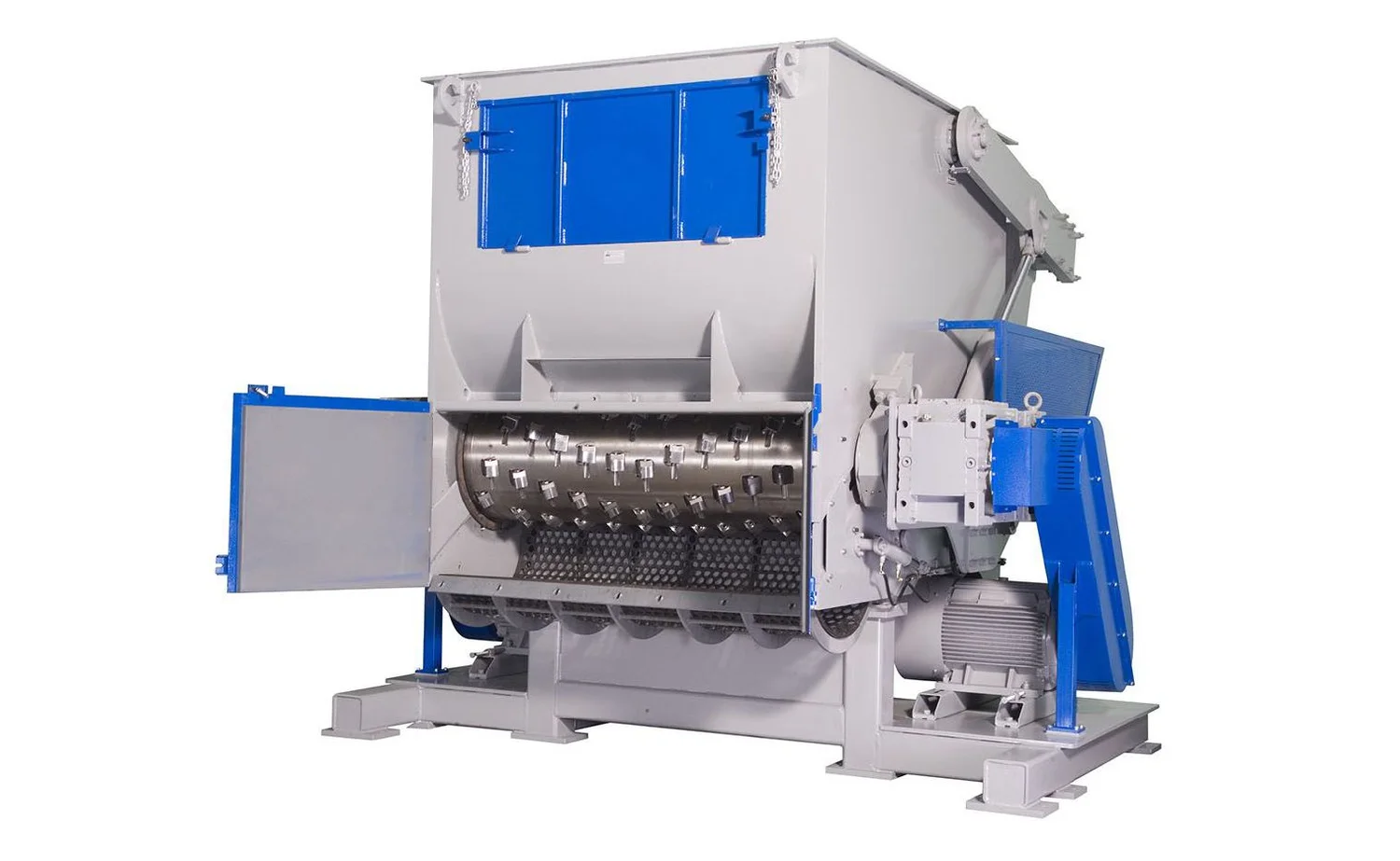
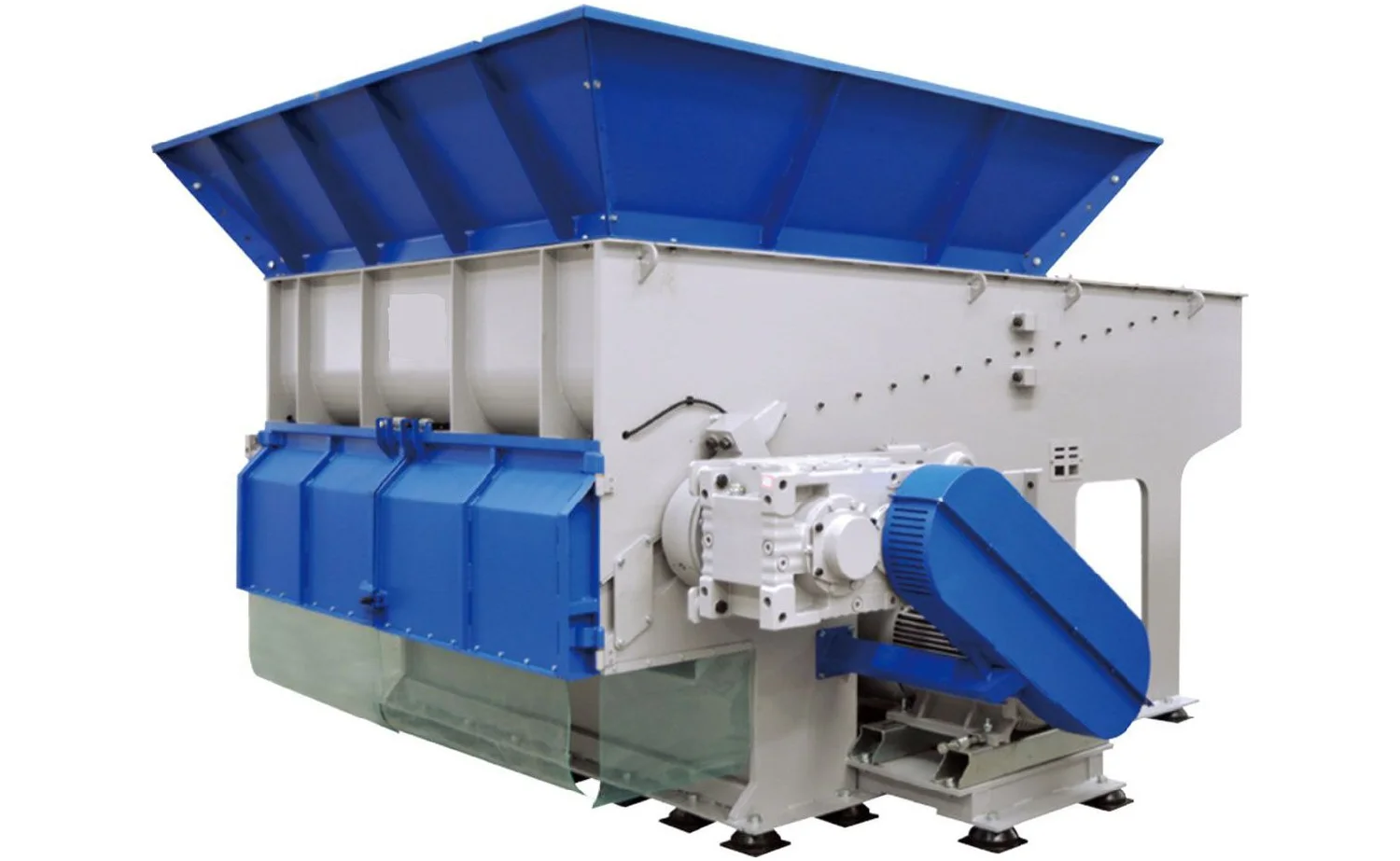
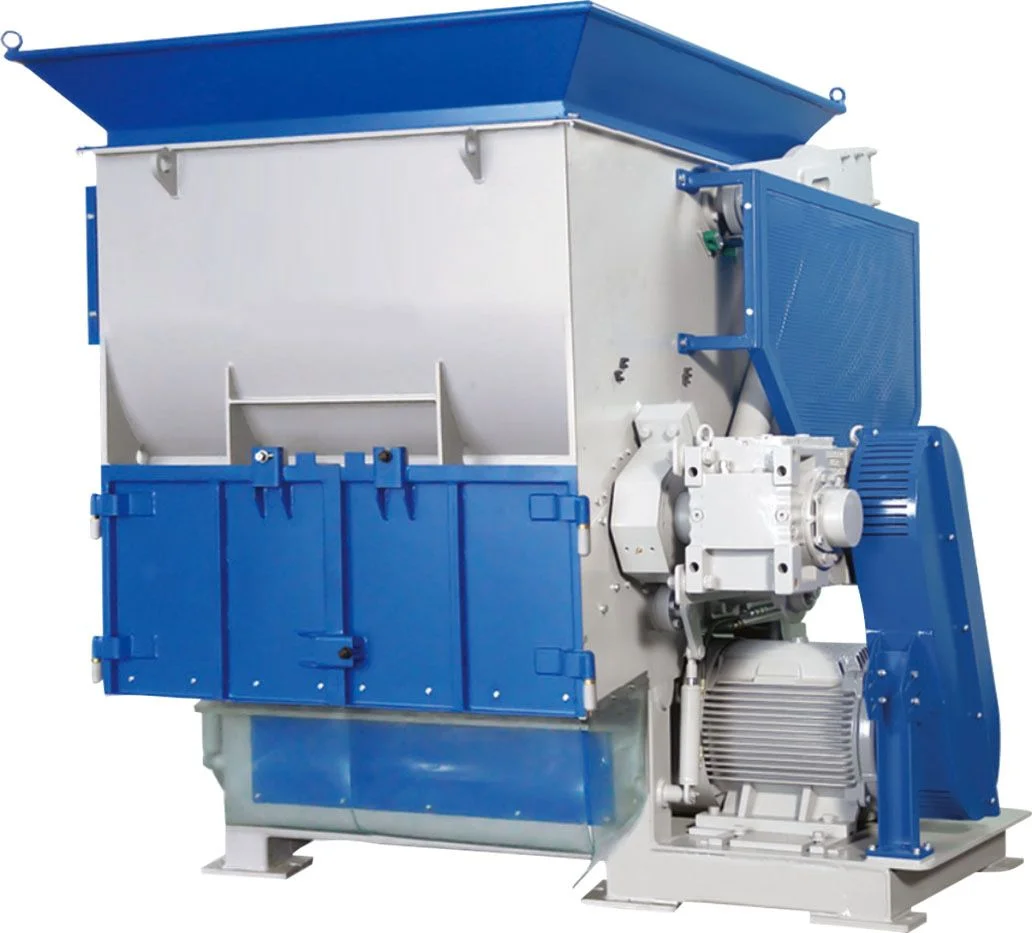
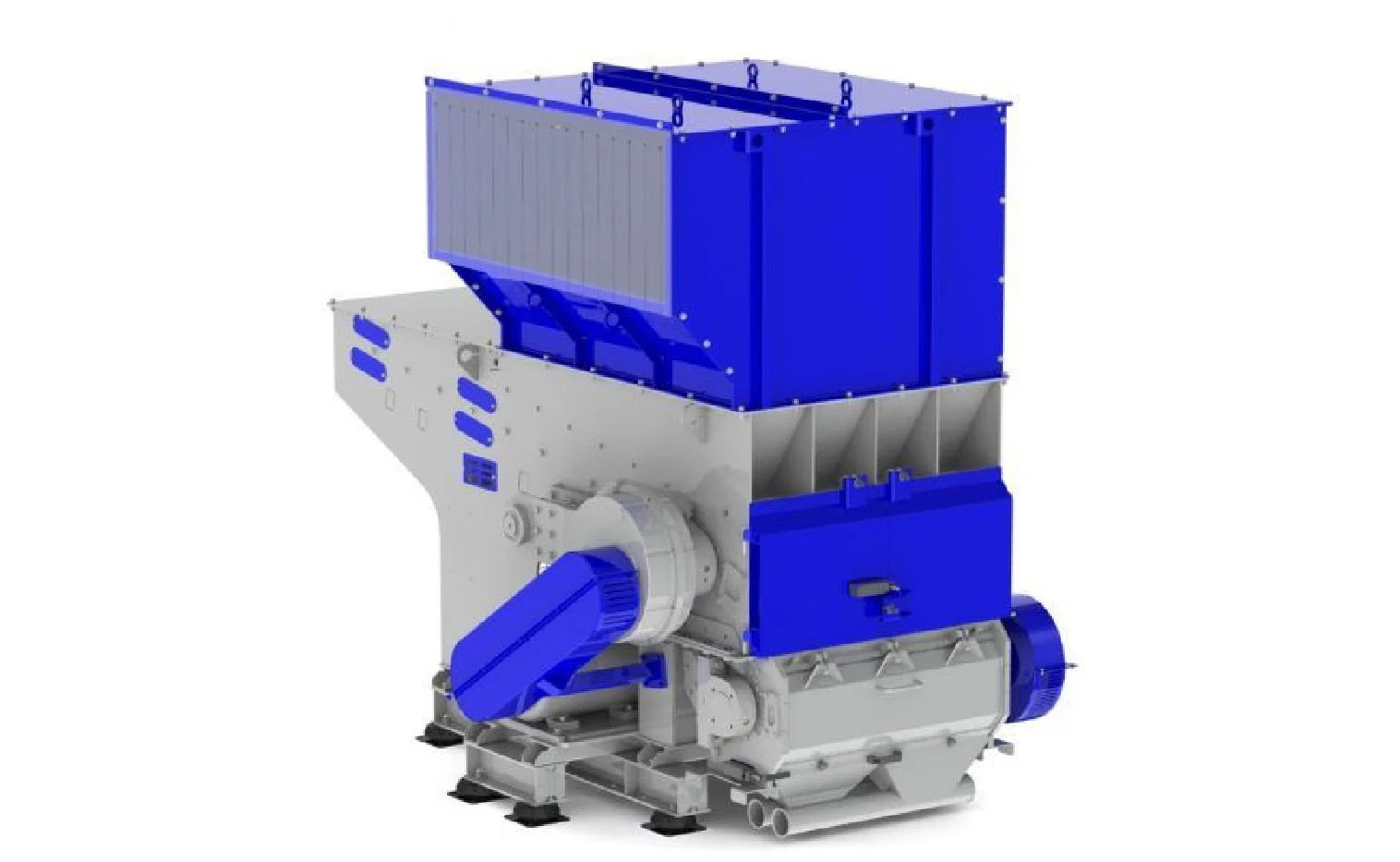
The ZRS is the world’s first single-shaft shredder capable of handling large diameter pipes up to 1200 mm without the need for pre-cutting. That claim has held up in the field: since its introduction it has become the standard for shredding pipe and profile, it is used by leading pipe manufacturers worldwide, and there are now more than 200 installations demonstrating it.
Two design elements do the work. The standard hopper accepts pipe lengths up to 6 meters, which means full lengths go in as they arrive rather than being cut down first. And a powerful hydraulic ram forces the pipe into the rotor at a controlled rate, which is the answer to the rotation-and-jamming problem: instead of hoping the pipe behaves, the ram governs the feed throughout the cut.
It is available in rotor diameters and widths from 800 mm up to 1500 mm, so the machine can be matched to the pipe range a facility actually processes. The combination of advanced controls, low rotor speed, and smooth hydraulics is what makes a machine at this scale reliable and straightforward to run rather than temperamental.
Field pipe is abrasive, and that matters
Worth flagging honestly for anyone processing excavated material rather than factory scrap. Pipe that comes out of the ground brings the ground with it. Soil, grit, and mineral contamination are abrasive, and abrasion is a different problem from force: it does not stall a machine, it erodes it, quietly, over months.
If your feedstock is excavated pipe rather than clean production scrap, that is a conversation to have before you buy rather than after. Wear protection specified up front is always cheaper than wear protection retrofitted once the housing has already gone.
What it takes, beyond pipe
| Large diameter pipe | HDPE, PP, and PVC, up to 1200 mm, without pre-cutting |
| Bundles | Bundles of smaller pipes and profiles, run in groups rather than one at a time |
| Other bulky material | Large lumps, stacked wheelie bins, and pallets, thanks to the trough-and-ram feed |
The shredder is stage one
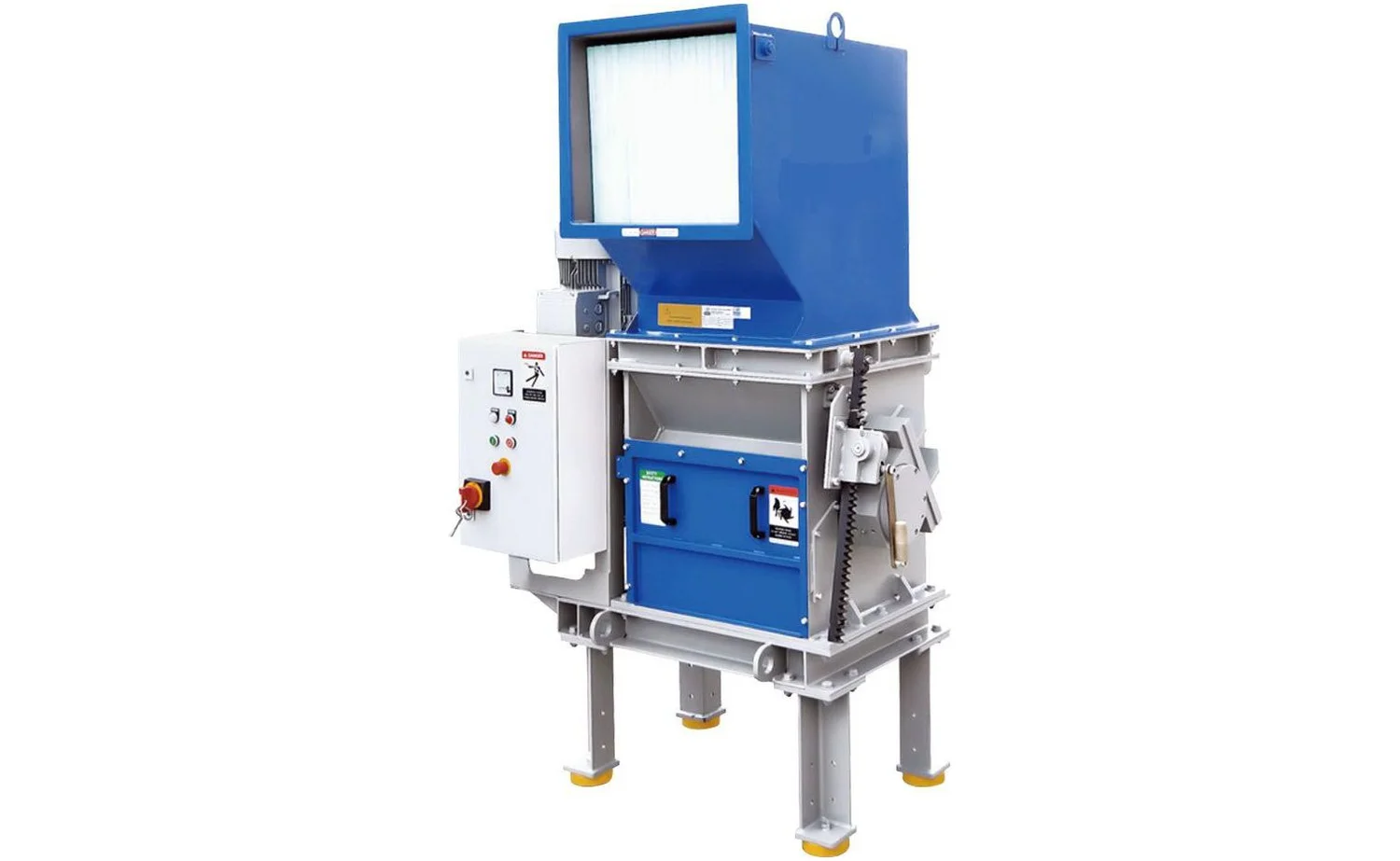
Shredded pipe is not finished material. For most applications the ZRS output feeds a GSP granulator that reduces it to the particle size needed for re-extrusion or sale. Where the destination is PVC pipe compounding, which runs on powder rather than regrind, a PM pulverizer completes a three-stage line.
The ZRS is what makes the rest of that line possible, because nothing downstream can process material that could not be shredded in the first place.
Send us the pipe
Large diameter pipe is exactly the sort of material where a demonstration settles the question faster than a specification does, particularly if yours is excavated rather than clean. Ship us a sample. Tell us your diameters, wall thickness, contamination level, and throughput target. We run it at our Fort Myers facility, film the test, and send you the footage with a confidential technical analysis.
Our YouTube channel includes ZRS demonstrations showing the horizontal trough and hydraulic ram feed working on real pipe.
Keeping it running
Knives and screens are high-wear items, and on excavated pipe they wear faster. Replacements are stocked at Virtus Equipment Direct, our online parts store, so a worn part is an order rather than a quote and a week of lost production. Our service team handles installation, commissioning, operator training, and maintenance scheduling, and our service line is bilingual in Spanish.
Frequently asked questions
How large a pipe can the ZRS handle?
Up to 1200 mm in diameter with no pre-cutting, and the standard hopper accepts pipe lengths up to 6 meters. Rotor diameters and widths run from 800 mm to 1500 mm, so the machine is matched to the pipe range you actually process.
Why can a standard shredder not take large pipe?
Hollow pipe resists compression feeding. It is a rigid tube with nothing inside it, so under a ram it tends to rotate, shift, or wedge rather than feed consistently. The ZRS answers this with a horizontal trough and a hydraulic ram that controls the feed rate throughout the cut, rather than relying on the pipe to behave.
Does excavated pipe need different handling than factory scrap?
Yes, in one important respect. Pipe that has been in the ground carries soil and grit, which are abrasive. Abrasion erodes a machine gradually rather than stalling it, so wear protection is worth specifying up front if your feedstock is excavated rather than clean.
What happens to the pipe after it is shredded?
It typically feeds a pipe and profile granulator for regrind, and where PVC pipe compounding is the destination, a pulverizer follows as a third stage to produce powder. The shredder is what makes the rest of that line possible.
Terms worth knowing
Feed trough. The long horizontal table that accepts full pipe lengths, up to 6 meters on the ZRS, so pipe goes in as it arrives rather than being cut down first.
Hydraulic ram. The powered pusher that forces pipe into the rotor at a controlled rate, which is the answer to hollow pipe’s tendency to rotate and jam instead of feeding.
Pre-cutting. Manually sawing pipe down to fit a machine. It is the cost that historically made recycling large diameter pipe uneconomic, and it is what the ZRS was built to eliminate.
Abrasion. Gradual erosion of machine surfaces by grit and mineral contamination, as distinct from the overload force applies. It is the dominant wear mechanism on excavated material.
Three-stage line. Shred, granulate, pulverize, which is how large pipe is taken all the way to regrind or to powder for PVC compounding.
Related ZERMA machines
- GSP pipe and profile granulators for the second stage after shredding
- PM plastics pulverizer to turn PVC regrind into powder for pipe compounding
- ZXS heavy duty shredder for other demanding bulk material
- ZSS general purpose shredder for mixed everyday scrap