Here is a number worth sitting with. Every gaylord of sprues and runners waiting by the wall represents resin you already bought, already paid to ship, and already paid to melt. When a hauler takes it away, you pay a third time. The material was never waste in any real sense. It was inventory that got misfiled.
Closing that loop is the single most direct cost recovery available to an injection or blow molding operation, and it does not require a plant redesign. It requires putting the right machine in the right place: right next to the press, where the scrap is born.
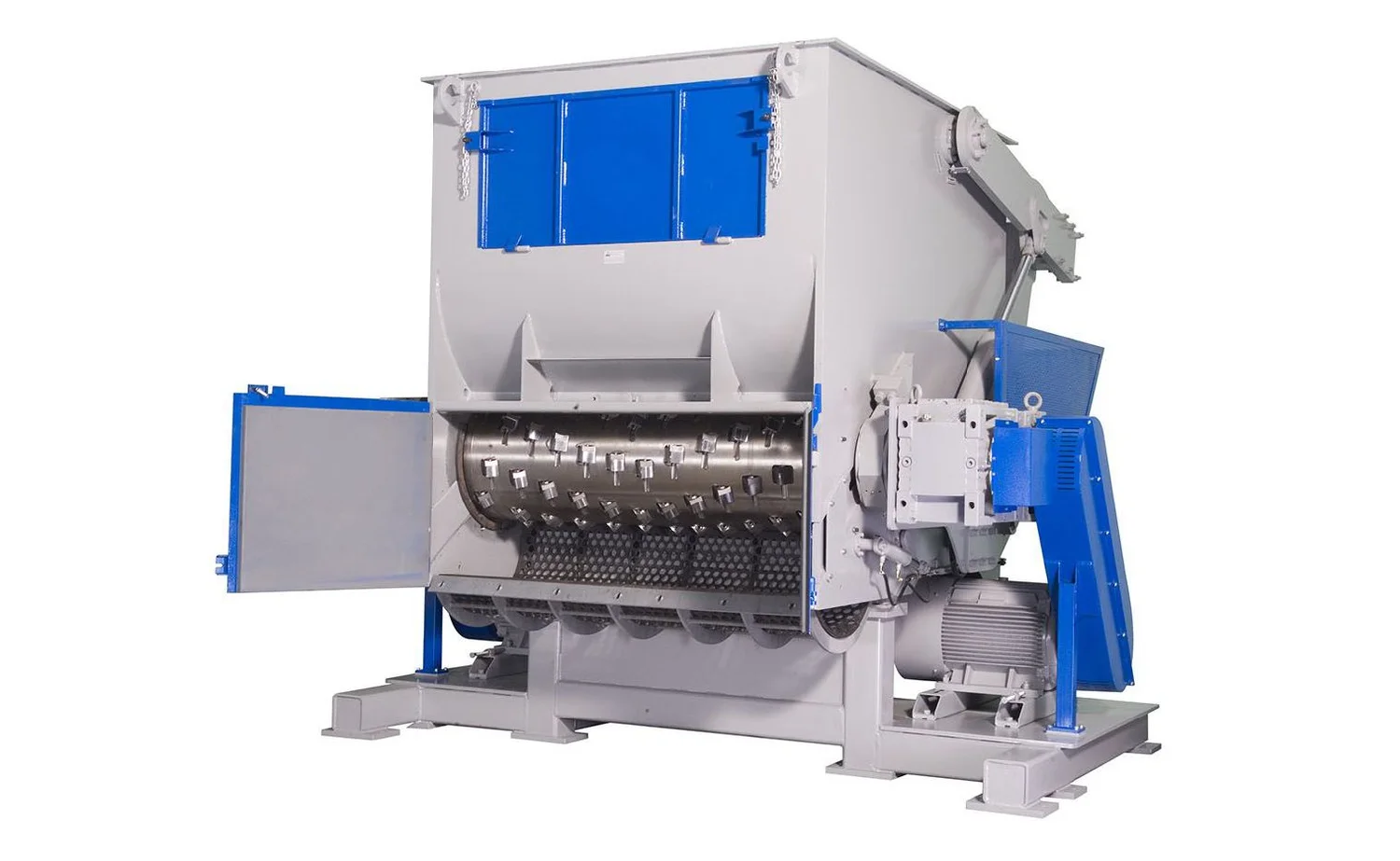
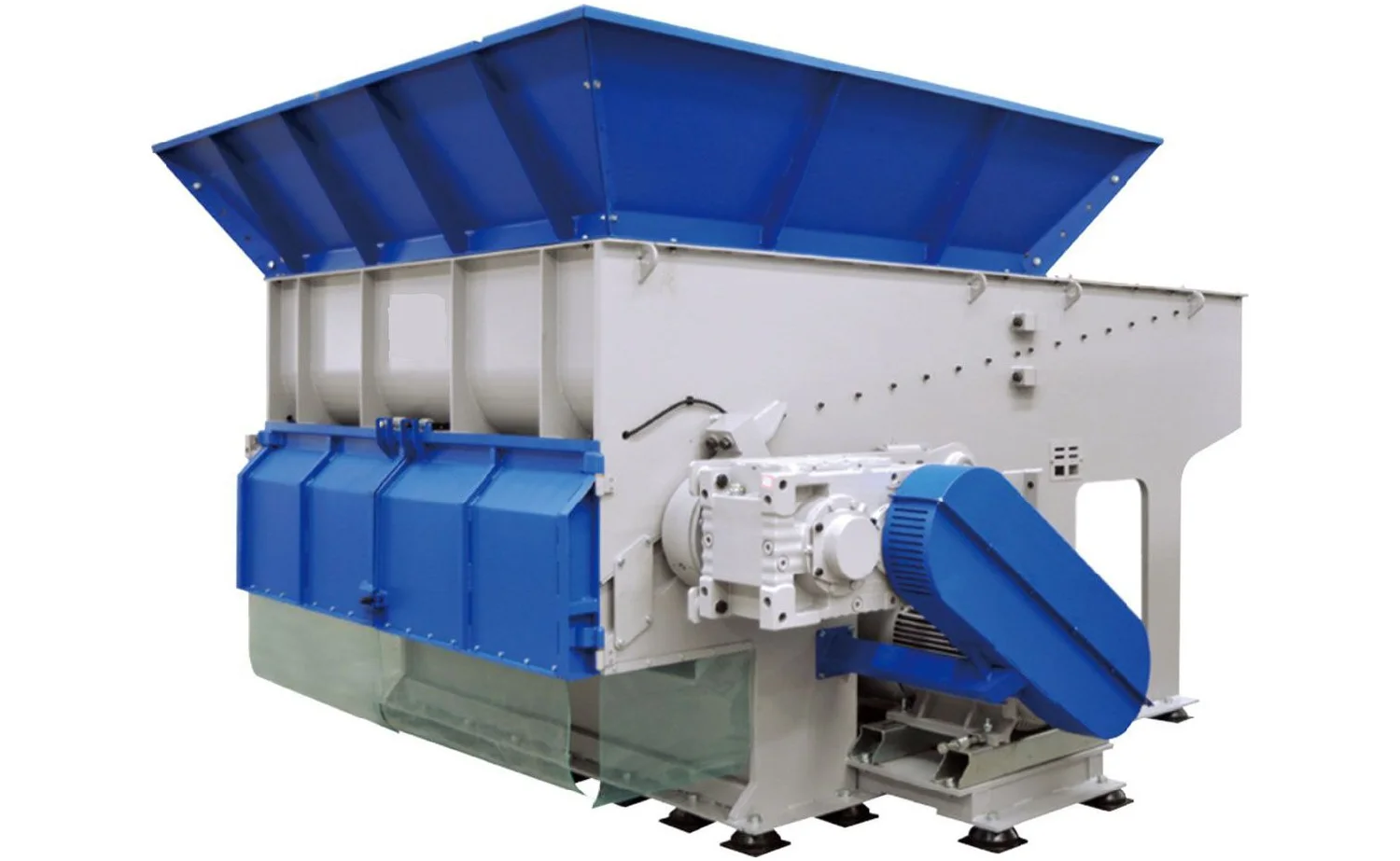
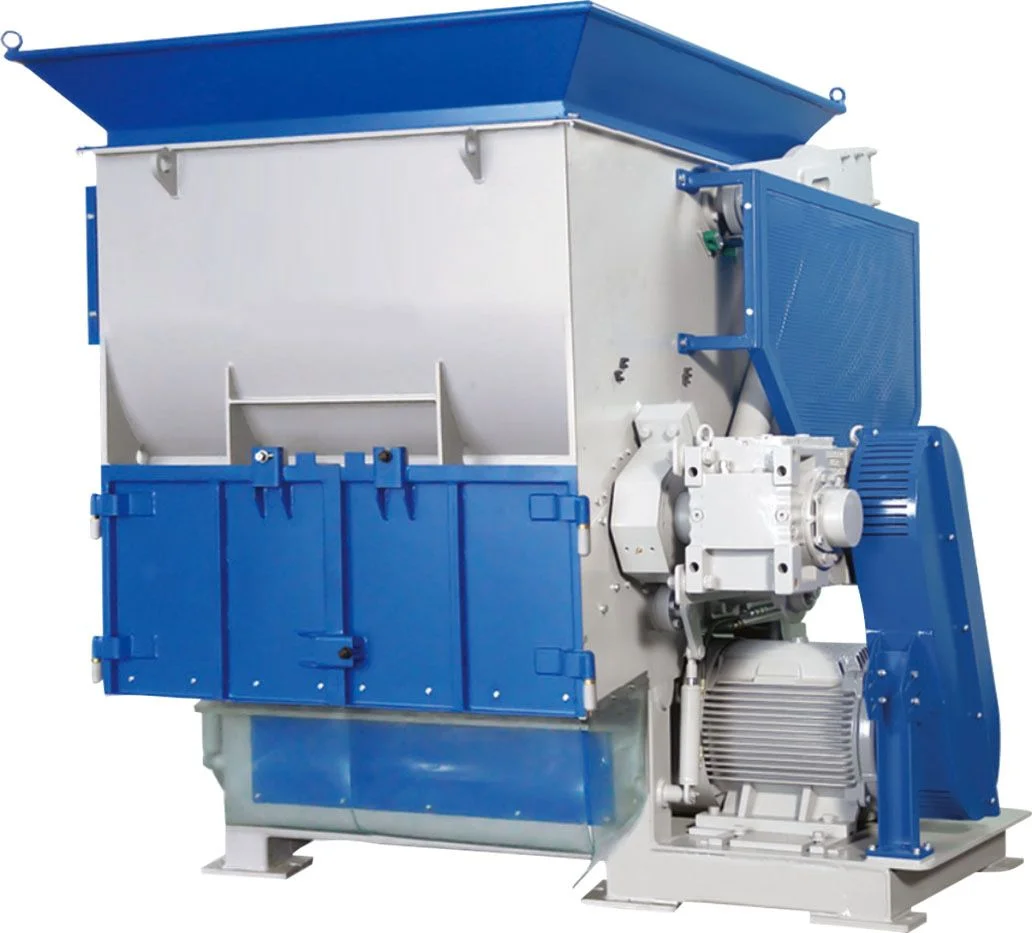
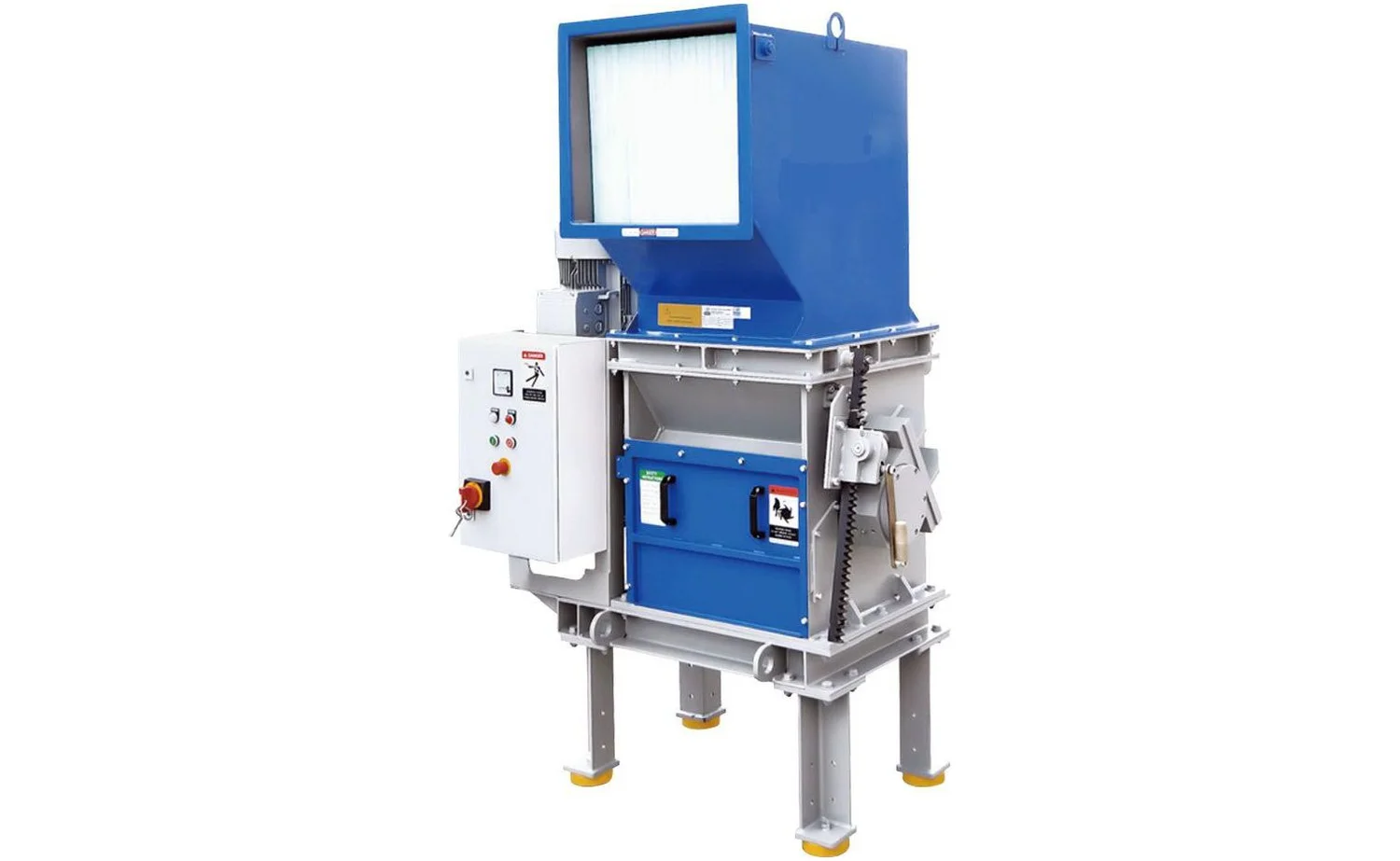
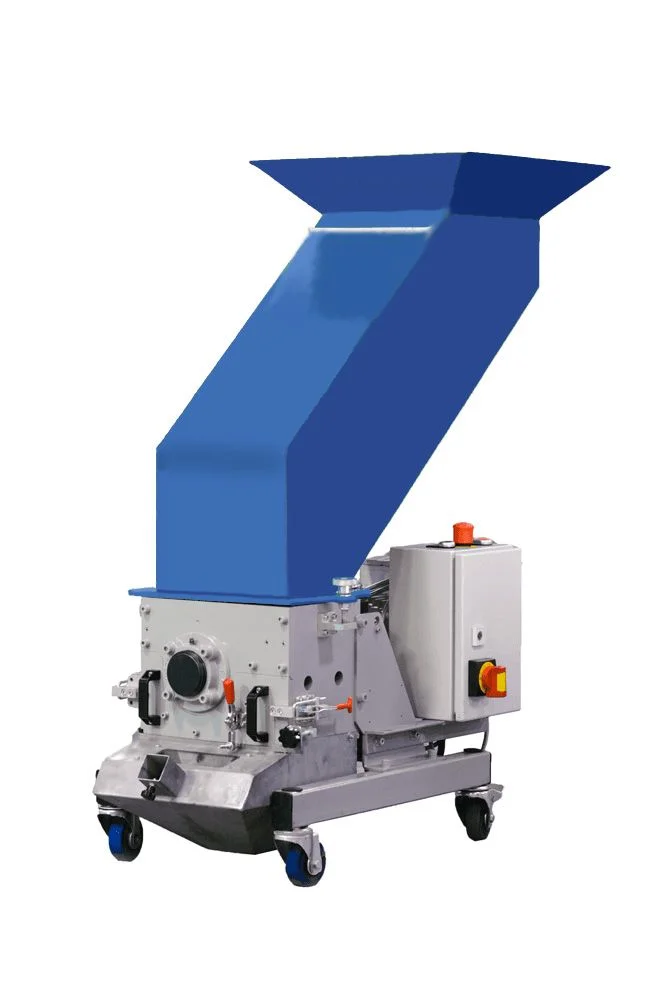
ZERMA has spent more than 70 years building size reduction machinery, and the GSL Series is where a great many of those installations start. It is the smallest machine in a range that runs from 2.2 kW all the way to 200 kW, and for press-side regrind it is usually all you need.
The economics of grinding at the press
The argument for beside-the-press granulation is not complicated, but it is often left unquantified. Consider what happens to a runner in each scenario.
Hauled away: you paid for the resin, paid to process it, and now pay a disposal or scrap-broker fee. If a broker buys it, you recover pennies on the dollar of virgin cost, and you have handed a competitor cheap feedstock.
Ground centrally: better, but the material has to be collected, moved, tracked, and kept separate by resin and color. Every one of those handling steps is labor, and every transfer is a chance for contamination that makes the regrind unusable.
Ground at the press: the runner never touches the floor. A sprue picker drops it into the hopper, the machine grinds it, and a blower returns the regrind to the hopper loader. Material stays single-resin, single-color, and clean by default, because it never has a chance to mix with anything.
The third option is the only one where the regrind is worth close to what the virgin resin cost you, and that is the whole point.
Why slow speed is the right tool for the job
A closed loop only works if the regrind is actually good enough to run. This is where the GSL’s design does the real work.
The rotor turns at 150 rpm, a fraction of conventional grinder speed. At that speed the knives slice rather than shatter, and the difference shows up in the material: uniform granules with very little dust and very few fines. That matters because fines are what cause splay, black specks, and inconsistent feeding when regrind gets blended back with virgin resin. A machine that produces dirty regrind does not close the loop. It just moves the problem downstream.
Low speed brings a second benefit that plant managers appreciate more than spec sheets suggest: quiet. Combined with the sound-absorbing hopper, the GSL runs at a level where operators can hold a conversation standing next to it. Nobody is reaching for earplugs, and the machine can live on the production floor rather than getting exiled to a room somewhere, which would reintroduce all the handling steps you were trying to eliminate.
Sizing the machine to the loop
| GSL 180 | 180 mm rotor, widths 180 to 430 mm. Sprues, runners, small rejected parts, bottle caps and closures fed a piece at a time. |
| GSL 300 | 300 mm rotor, widths 400 to 800 mm. Heavier build for thicker, tougher, and glass-filled material, and capable of serving as a small central granulator at modest volume. |
Three questions size the machine. What is your runner weight per cycle, multiplied across the presses that will feed it? What is the single largest piece going in, since the feed opening must take it whole and hand-cutting scrap is a labor cost and a safety exposure you should never accept? And where does the regrind go, because if the answer is straight back to the press, you want the blower and suction bin specified from the start.
What the GSL is not built for: purge lumps, thick pipe, film bales, or large blow-molded drums. Those are shredder jobs, and forcing them into a granulator is how machines get destroyed. If that is your material, look at the ZBS lump and purge shredder or the ZSS general purpose shredder instead.
See it run before you buy it
Spec sheets do not tell you how your material behaves. Our YouTube channel carries equipment demonstrations across the ZERMA range, including GSL machines processing real injection molded parts into finished regrind.
Better yet, send us your material
Ship a box of your actual sprues, parts, or scrap to our Fort Myers facility. Tell us your volumes and what you intend to do with the regrind. We run it on the machine, film the test, and send you the footage along with a confidential technical analysis. You see the actual output before you commit to anything, and if the honest answer is a smaller machine than you expected, we will tell you that too.
Keeping the loop running
Knives dull and screens wear. That is not a flaw, it is consumption, and it is budgeted for. Replacement knives, screens, and wear parts are stocked at Virtus Equipment Direct, our online parts store, so a worn knife is an order rather than a quote request and a week of waiting. Our service team handles installation, commissioning, operator training, and maintenance scheduling. And our service line is bilingual in Spanish, so if that is how your floor runs, you are covered.
Frequently asked questions
How much regrind can I safely blend back into virgin resin?
That depends on your part, your resin, and your quality requirements, and it is a conversation worth having with your material supplier. What the machine controls is regrind quality: clean, uniform, low-fines granules give you the widest usable blend ratio, while dusty regrind narrows it.
Can one GSL serve more than one press?
Yes, if they are close together and the combined runner weight fits the machine’s capacity. The GSL 300’s wider rotor options suit a multi-press cell. But if those presses run different resins or colors that must stay separated, a dedicated unit per press is what protects the regrind value.
Will it handle bottle caps and closures?
Very well. Caps are small, clean, single-resin, and produced in high counts, which is close to the ideal diet for a slow speed granulator. Bulky items, denim and textiles, tires, or pipe are different problems that need a shredder.
Do I need a robot to feed it?
No. Robot or sprue-picker feeding gives the cleanest closed loop, but hand feeding works at lower volumes. The feed opening only needs to accept your largest piece whole.
Terms worth knowing
Fines. The dust-sized particles mixed into regrind. They are the enemy of a closed loop, because too many of them cause feeding and cosmetic defects when the regrind goes back into the press.
Blade gap. The clearance between the rotor knives and the fixed bed knives. It governs cut quality and particle size, and it is the first thing to check when regrind quality drifts.
Counter knife. The stationary knife the rotor knives shear against. That shearing action, not impact, is what actually cuts the plastic in a granulator.
Screen. The perforated plate beneath the cutting chamber. Its hole size sets the maximum granule size, so it is how you tune output to your downstream process.
Closed-loop recycling. Returning production scrap directly into the same process that made it, with no intermediate handling, which is the whole reason beside-the-press granulation exists.
Related ZERMA machines
- GSC compact soundproofed granulators when noise and floor space are the binding constraints
- GST tangential granulators for bulky hollow parts like bottles and crates
- GSH heavy duty granulators for thick-walled parts and higher throughput
- ZBS lump and purge shredder when the scrap is purge blocks and dense lumps