Why Shredder Selection Matters More Than Most Buyers Realize
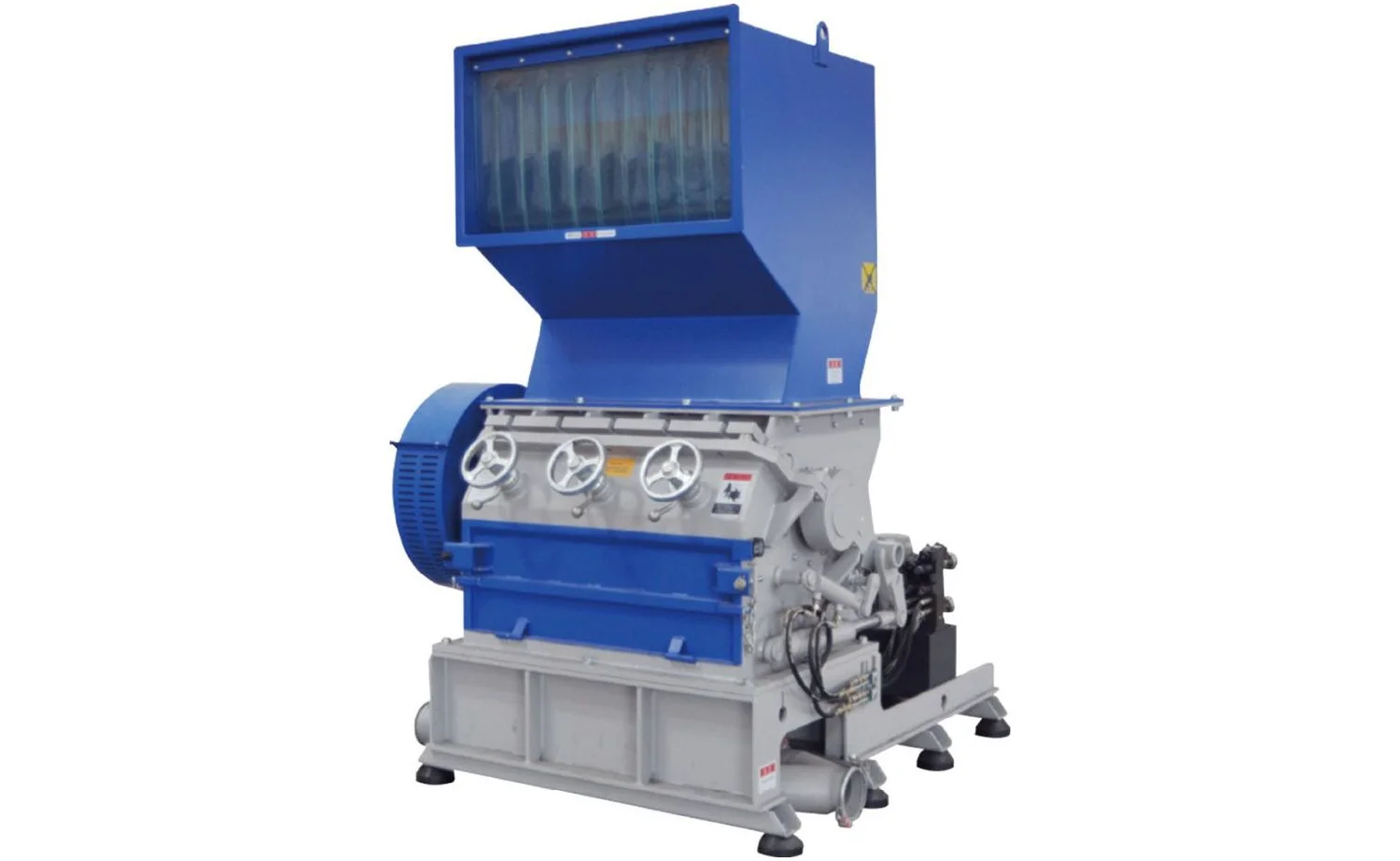
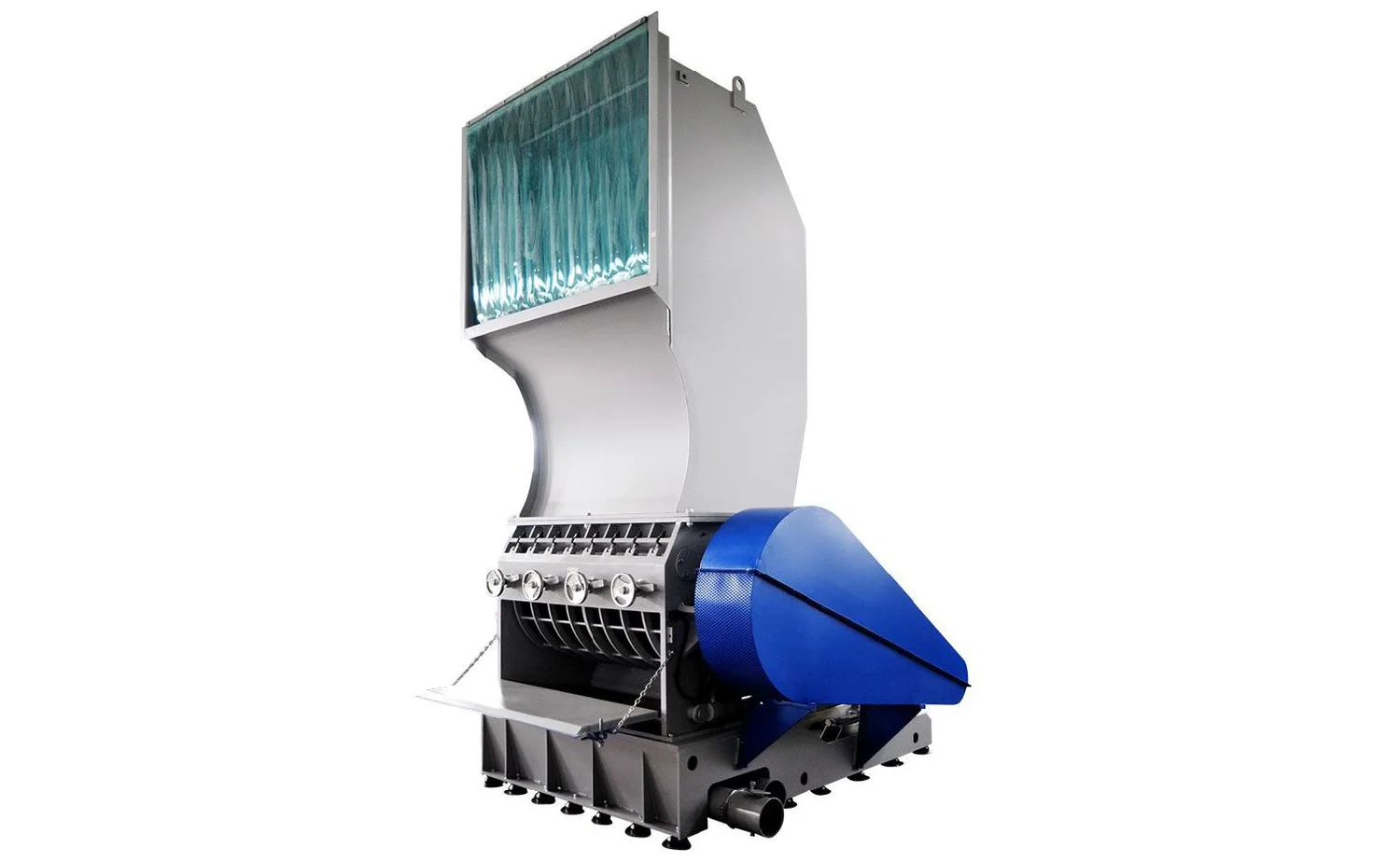
Industrial plastic shredders are not interchangeable. A general-purpose shredder that handles production scrap and bales will not perform as well on large-diameter pipe as a shredder specifically engineered for pipe geometry. A lump and purge shredder designed for small batches from injection molding will not have the throughput capacity needed for a high-volume central shredding line. Getting the specification wrong means either underperformance from the start or an expensive machine change sooner than expected.
The good news is that the selection factors are well-defined. If you know your material type, your input geometry, your required throughput, and your desired output size, you can identify the right single-shaft industrial shredder with confidence. This guide walks through each factor and maps it to the relevant ZERMA America shredder options.
Factor 1: What Material Are You Processing?
Material type is the first question to answer because it determines the mechanical demands on the shredder rotor, knives, and frame. Rigid PVC pipe and structural profiles are harder and more abrasive than soft polyethylene film. Post-consumer bales may contain contamination that affects knife life. Rubber and filled engineering resins behave very differently from commodity polyolefins.
ZERMA America’s industrial shredder lineup covers plastics, rubber, wood, and electronic waste. Within the plastics category, the specific resin type affects rotor speed recommendations, knife material specifications, and whether hard-facing or wear protection options are advisable for the application.
Material Type and Key Processing Considerations
Polyethylene (PE) and Polypropylene (PP)
Tough and flexible. Resists clean cutting when processing large parts. Pre-reduction is often needed before granulation. Handles well in general-purpose shredders.
Rigid PVC
Hard and sensitive to heat during cutting. Requires properly configured knives and rotor speed. The ZRS Pipe Shredder is specifically designed for PVC pipe applications.
Engineering Resins (glass-filled, PC, ABS)
Hard and abrasive. Knife wear rates are higher than commodity resins. Hard-facing rotor options should be considered for high-volume applications.
Post-consumer baled plastic
Variable contamination, inconsistent density, mixed resins. General-purpose and big-volume shredders handle this well. Material testing recommended before equipment selection.
Factor 2: What Is the Input Geometry and Size?
Input geometry is what most facilities underestimate when selecting a shredder. A 1,200 mm diameter HDPE water main is not just “big plastic.” It requires a shredder specifically configured to accept that diameter, support pipe lengths that may be several meters long, and apply enough force to shear through thick walls. A general-purpose shredder with a standard hopper will not accept that part at all.
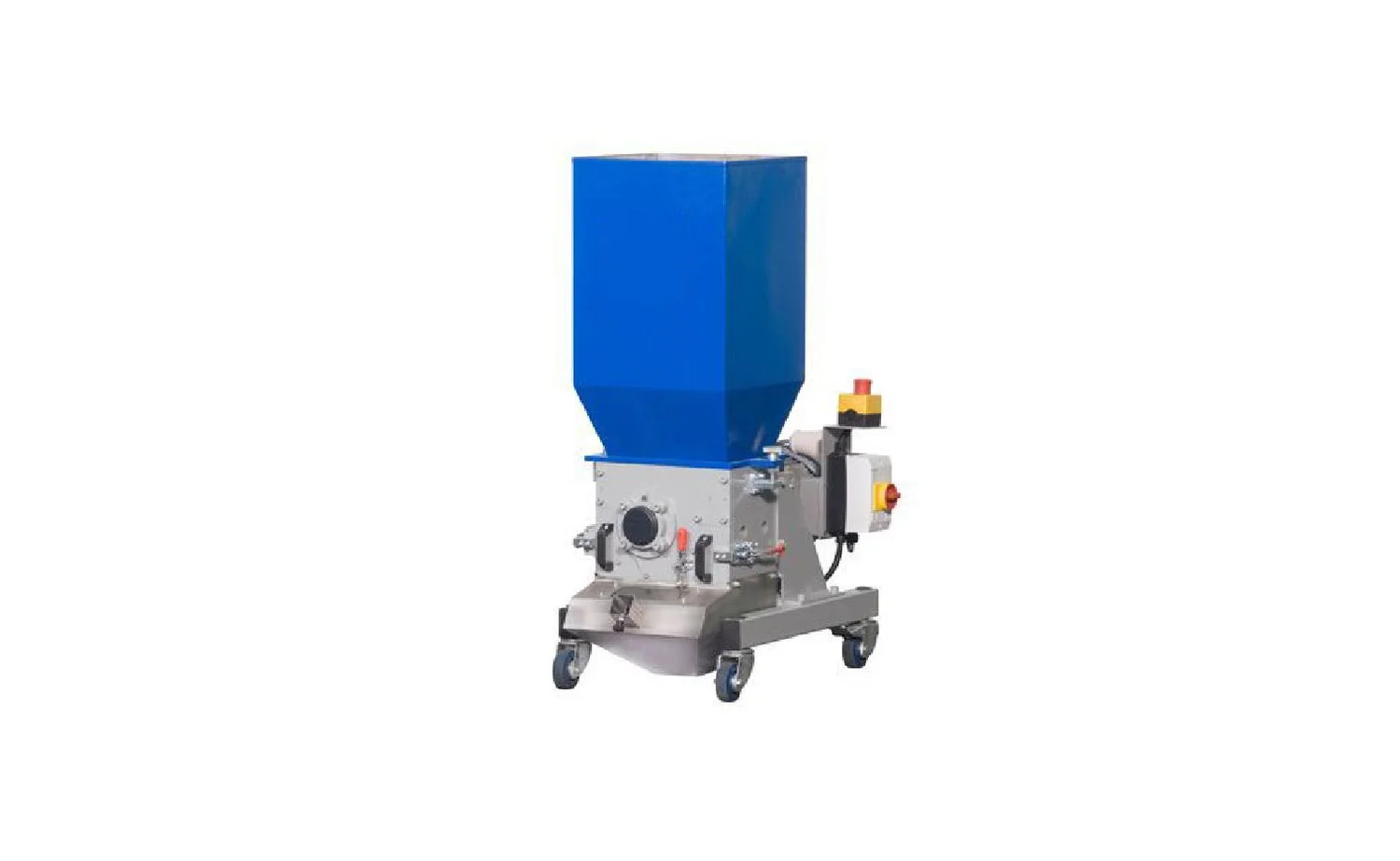
Conversely, small plastic purge cakes and injection molding lumps do not need the capacity of a large industrial shredder. A compact lump and purge shredder handles those efficiently at lower energy consumption and with a smaller footprint.
Factor 3: What Throughput Do You Need?
Throughput requirements, typically measured in kilograms or pounds per hour, determine the appropriate rotor width and drive capacity. A machine that is undersized for peak production demand creates a bottleneck. One that is significantly oversized for typical volumes wastes capital and energy.
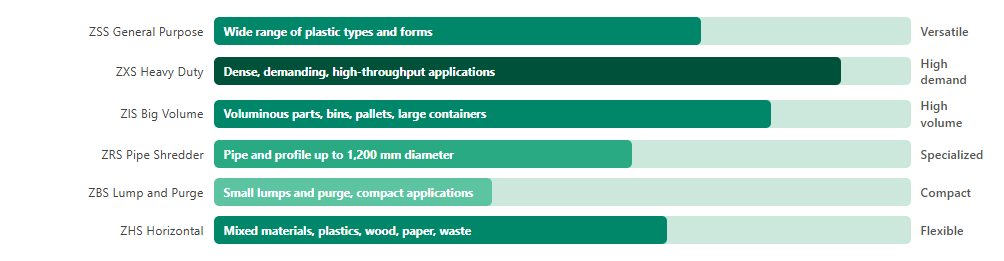
ZERMA America’s shredder series each cover a range of throughput capacities through different rotor widths. The ZSS General Purpose Shredder, for example, is available in rotor widths from 850 mm to 2,000 mm, allowing the same fundamental machine design to scale from moderate-volume in-house applications to high-volume production environments.
ZERMA America Shredder Series and Primary Applications
Factor 4: What Output Size Do You Need?
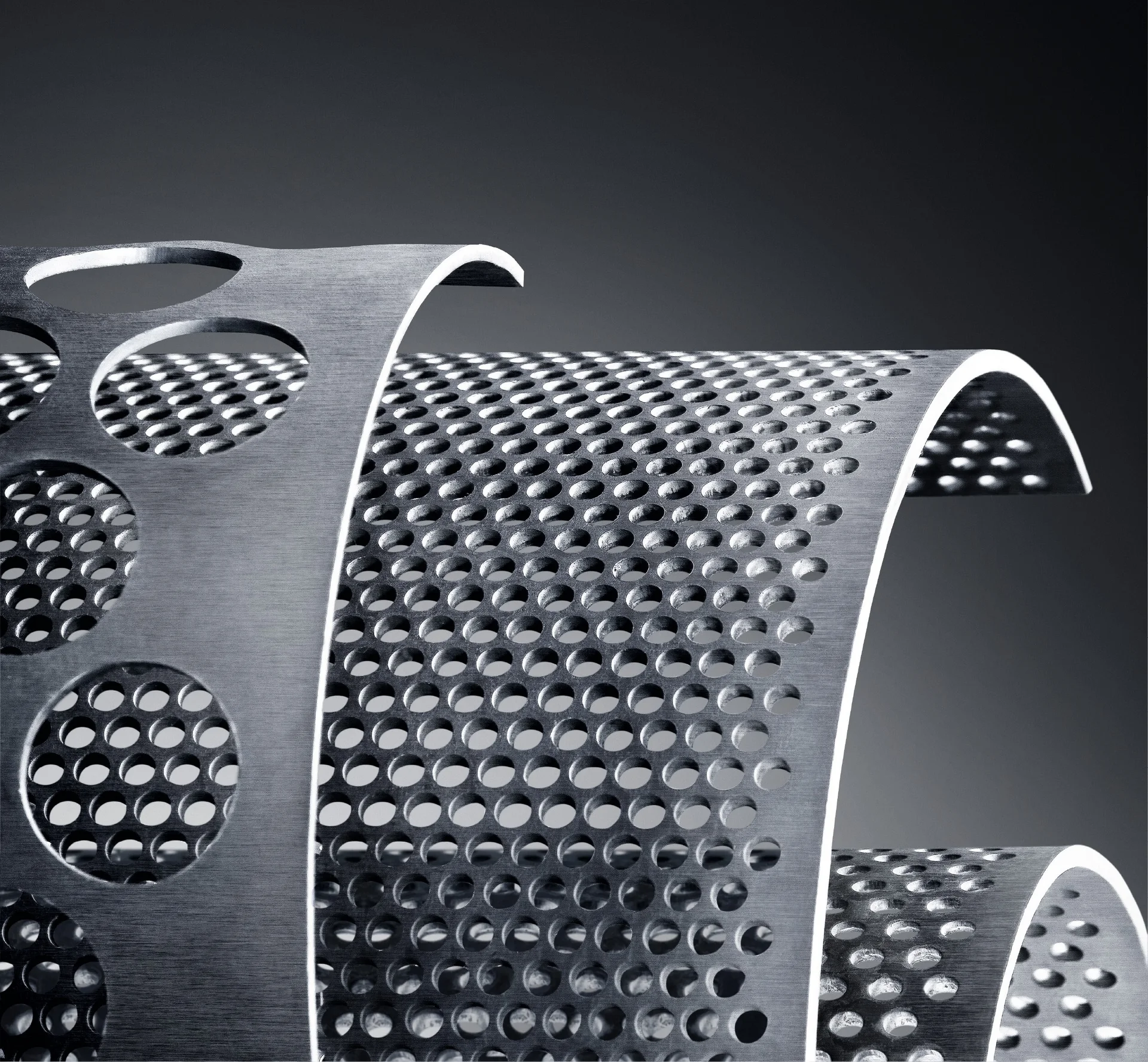
The output size from an industrial shredder is controlled by the installed screen. Swapping screens changes the maximum particle size of the output. If the shredded material is going to a downstream granulator, the output size requirement is determined by what the granulator can accept as feed. If it is going directly to reprocessing or sale, the spec is determined by the buyer or the downstream process.
All ZERMA America shredders use a hydraulically-operated screen cradle that makes screen changes straightforward. This matters more than it sounds in practice. Being able to change output size quickly means one machine can serve multiple applications or products as your production mix changes over time.
Factor 5: How Does the Machine Integrate Into Your Line?
A shredder does not operate in isolation. Material needs to get to it, and the shredded output needs to go somewhere. Most industrial shredder installations include some combination of infeed conveyor, discharge conveyor, downstream granulator or bagging system, and often a metal separator to protect the downstream equipment. ZERMA America’s full product range and accessory offering means the shredder selection can be made in the context of a complete processing system rather than a standalone machine purchase.
Full ZERMA America Industrial Shredder Selection Guide
| Application | Recommended Shredder | Why |
|---|---|---|
| General plastic production scrap, film, bales | ZSS General Purpose Shredder | Versatile rotor design, wide material range, scalable widths |
| Most demanding plastic, high throughput, tires, RDF | ZXS Heavy Duty Shredder | Twin-speed hydraulic system, maximum force for dense input |
| IBCs, wheelie bins, pallets, large hollow containers | ZIS Big Volume Shredder | Large internal volume, 35% more cutting chamber space |
| Pipe and profile up to 1,200 mm diameter | ZRS Pipe Profile Shredder | Only single-shaft shredder capable of this diameter without pre-cutting |
| Plastic lumps and purge from molding processes | ZBS Lump and Purge Shredder | Compact, tangential infeed, no hydraulic ram required |
| Mixed plastics, wood, paper, general waste | ZHS Horizontal Shredder | Angled hydraulic ram for mixed geometry, economical operation |
| Tires (truck, tractor) | ZXS-T Tire Recycling Shredder | Special wear protection and knife configuration for tire recycling |
| Scrap needing both shredded and granulated output | ZCS Shredder-Granulator Combination | Integrated two-stage system in one compact unit |
Ready to find the right industrial plastic shredder for your application? ZERMA America’s team can walk you through the selection process step by step.