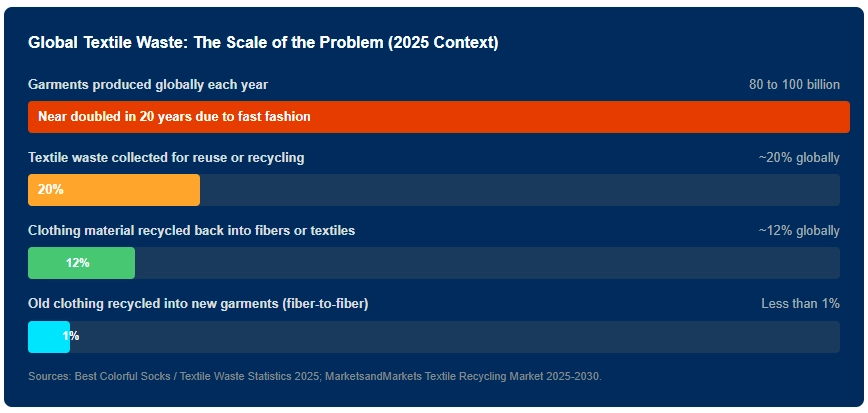
Here is the situation in textiles right now. Between 80 and 100 billion garments are produced globally every year, a number that has nearly doubled in the last two decades due to fast fashion. Global textile waste is projected to reach 134 million tonnes annually by 2030 if current trends continue. Only about 12 percent of clothing material is recycled back into fibers or textiles, and less than 1 percent is recycled into new garments. The overwhelming majority ends up in landfill or incineration.
For industrial processing operations, those numbers represent something specific: an enormous volume of material that needs to be mechanically processed, sorted, and reduced in size before it can re-enter any value chain. That is exactly what shredding and size reduction equipment does, and it is why the textile waste recycling machine market is growing at nearly 8.7 percent CAGR through 2035, according to IndexBox analysis published in 2026.
Why Mechanical Shredding Leads in Textile Recycling
The textile recycling industry uses three primary methods: mechanical recycling, which involves shredding and grinding; chemical recycling, which breaks fibers down at the molecular level; and thermal recycling for energy recovery. As of 2024, mechanical recycling dominated the global market due to its affordability, ability to handle a wide range of natural and synthetic fabrics, and lower environmental impact compared to chemical processing.
Mechanical recycling through shredding produces fiber that feeds into nonwoven applications, insulation products, wiping cloths, and yarn production. The end market for these outputs is real and growing. The apparel waste segment alone holds approximately 56 percent of the global textile recycling market in 2025, growing at 3.3 percent annually.
What the Shredding Process Looks Like for Textiles
Sorting and Bale Breaking
Post-industrial cutting scraps and post-consumer garments arrive in bales or bags. Initial sorting by fiber type is important for downstream output quality. Mixed blends require more aggressive processing and produce lower-value output.
Primary Shredding: Reducing Bulk to Manageable Pieces
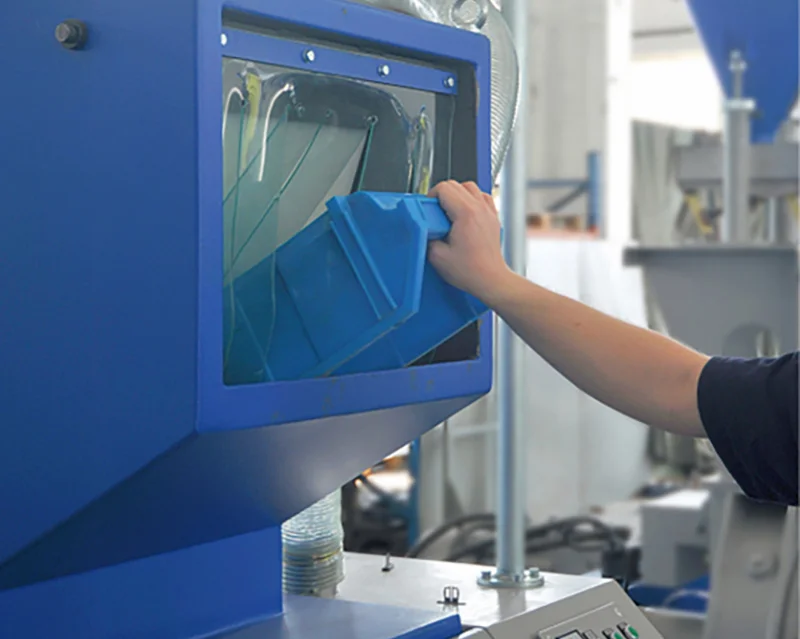
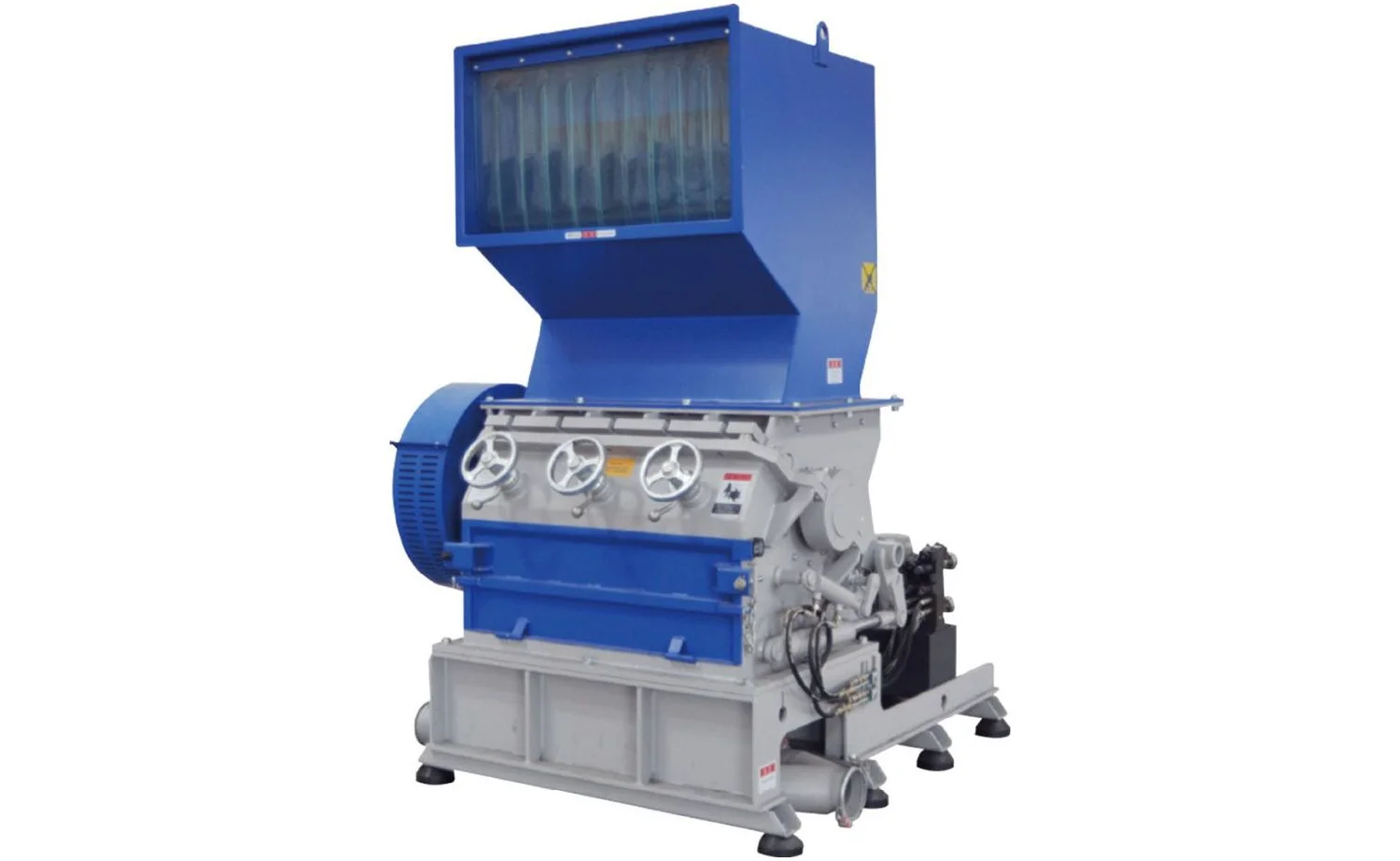
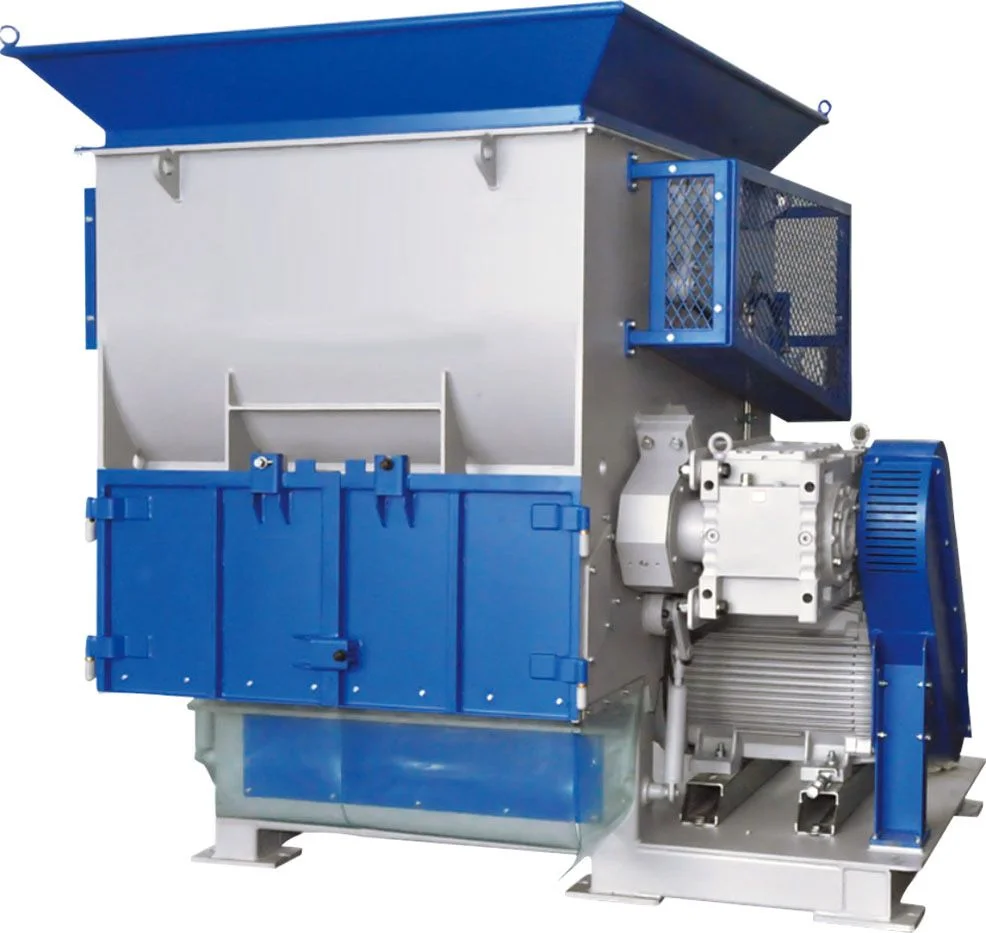
A single-shaft or dual-shaft shredder handles the initial size reduction of garments, rolls, or baled cutting scrap. The key requirement here is a machine that can handle flexible, sometimes layered or compressed material without jamming. ZERMA America’s ZSS General Purpose Shredder and ZBS are applicable at this stage for appropriate textile volumes.
Secondary Size Reduction: Opening and Fiber Liberation
Shredded textile passes to a secondary size reduction stage where fiber is further opened and separated. This step controls the length and consistency of the recovered fiber, which directly affects what end-market applications the output can serve.
Dust Extraction and Fiber Separation
Textile shredding generates significant dust, particularly with cotton-based materials. Proper dust extraction and air classification systems are required both for safety and to improve output quality. This is a critical system requirement that should be engineered into any textile recycling line from the start.
The Pre-Industrial vs. Post-Consumer Difference
This is an important distinction for equipment selection and output quality. Pre-industrial textile waste, which comes from cutting floors in garment manufacturing, weaving operations, and spinning facilities, is clean, sorted by fiber type, and highly consistent. It is among the most valuable feedstock in textile recycling because it can be directly processed into high-quality recycled fiber.
Post-consumer textile waste, the garments that end up in donation bins or retail take-back programs, is much more variable. Mixed fibers, blended fabrics, buttons, zippers, and contamination all create processing challenges. The equipment and sorting requirements are more demanding, and the output value is generally lower unless advanced sorting technology is applied upstream.
Pre-Industrial Textile Scrap
Cutting scraps, yarn waste, weaving trim from manufacturing operations. Clean, single-fiber, consistent. Best feedstock for high-value recycled fiber output. Demand from facilities processing this material is driving current equipment growth.
Post-Consumer Garments
End-of-life clothing from take-back programs and donation overflow. Mixed fibers, blends, metal hardware. Requires more robust shredding and sorting. Output often goes to nonwovens, insulation, or industrial wiping cloth applications.
Where the Market Is Heading in 2026 and Beyond
Two trends are shaping equipment demand in textile recycling right now. The first is the EU’s push toward mandatory textile recycling infrastructure, driven by the revised Waste Framework Directive requiring all EU member states to collect textiles separately by 2025. This is creating downstream demand for shredding and processing equipment as collection volumes scale up faster than processing capacity.
The second is the rise of high-capacity shredders specifically designed for mixed fabric bales, which IndexBox’s 2026 market analysis identifies as one of the major equipment trends in this sector. Standard shredders designed for rigid materials can struggle with flexible, layered textile bales. ZERMA America can advise on the right configuration for your textile feedstock and volume.