HDPE is among the most recyclable thermoplastics in industrial use. Unlike some engineering resins that degrade significantly with repeated heat exposure, HDPE retains its core strength and performance properties after reprocessing. An estimated one third of HDPE in production now comes from recycled sources rather than virgin resin. For HDPE pipe specifically, the material can be ground into regrind, re-extruded, and turned back into new pipe with comparable performance characteristics to virgin-produced pipe.
That circularity is commercially proven. Pipe manufacturers in the United States, Australia, New Zealand, and across Europe have established programs that collect post-use HDPE pipe from construction sites, utility projects, and manufacturing operations and feed it back into new pipe production. The scale of those programs is growing with EPR mandates, recycled content targets, and the economics of rising virgin resin costs all pushing in the same direction.
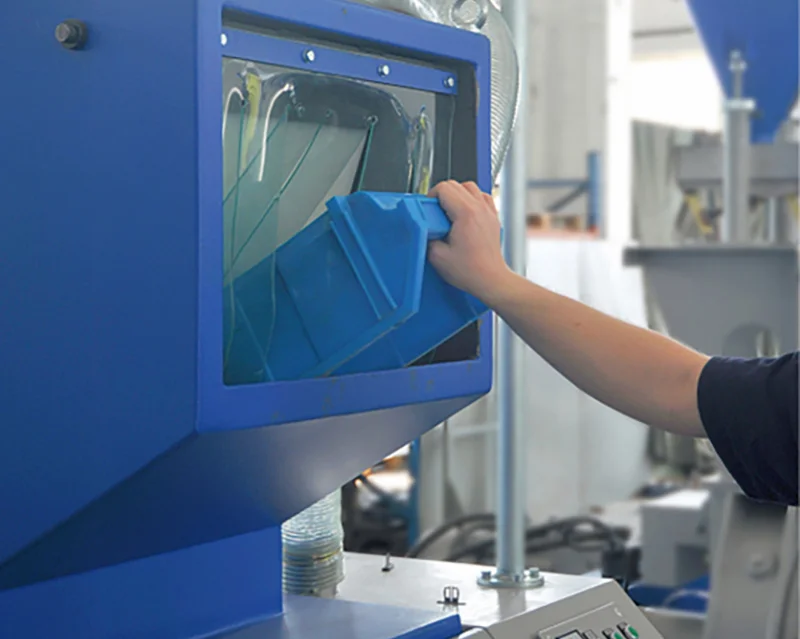
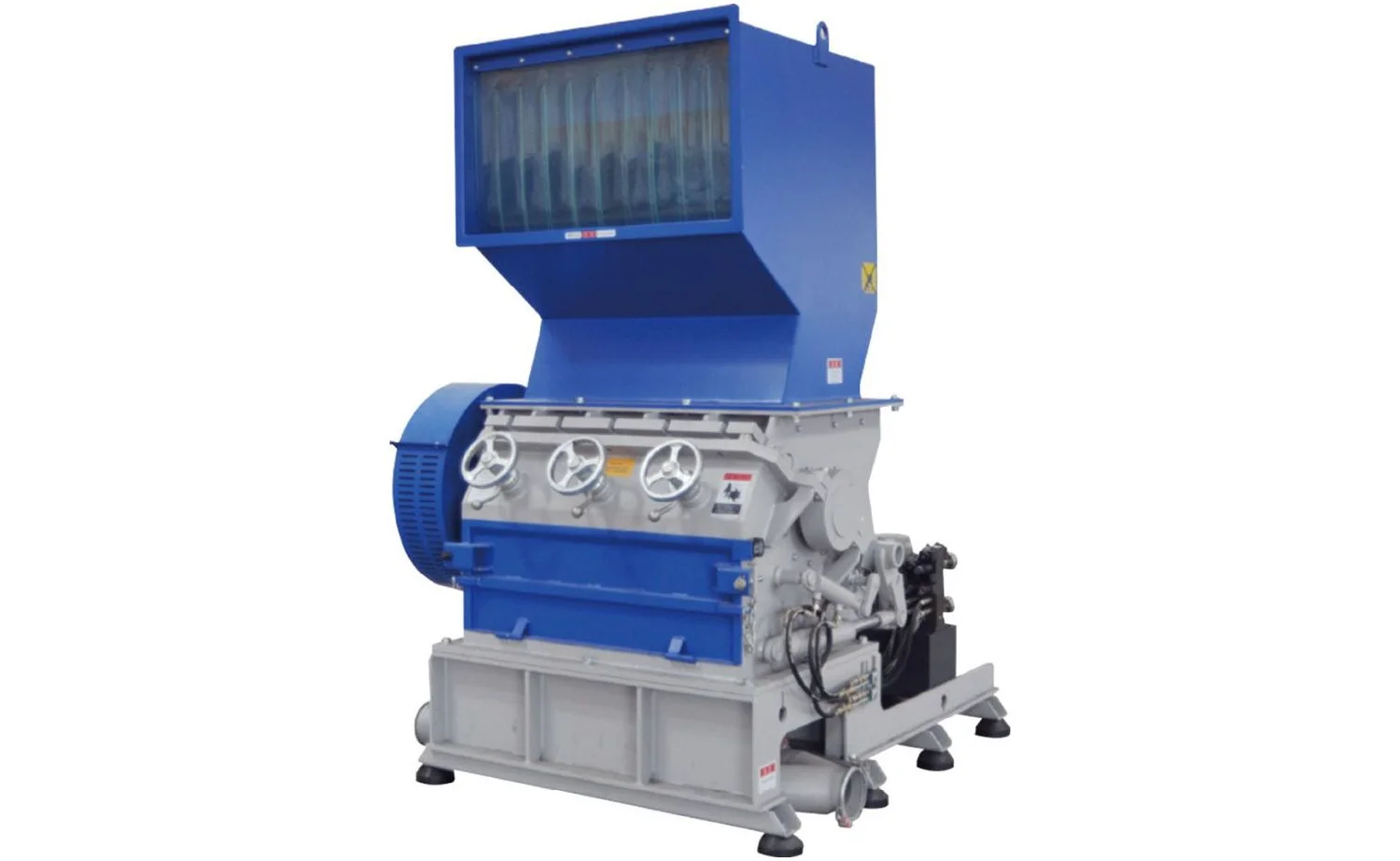
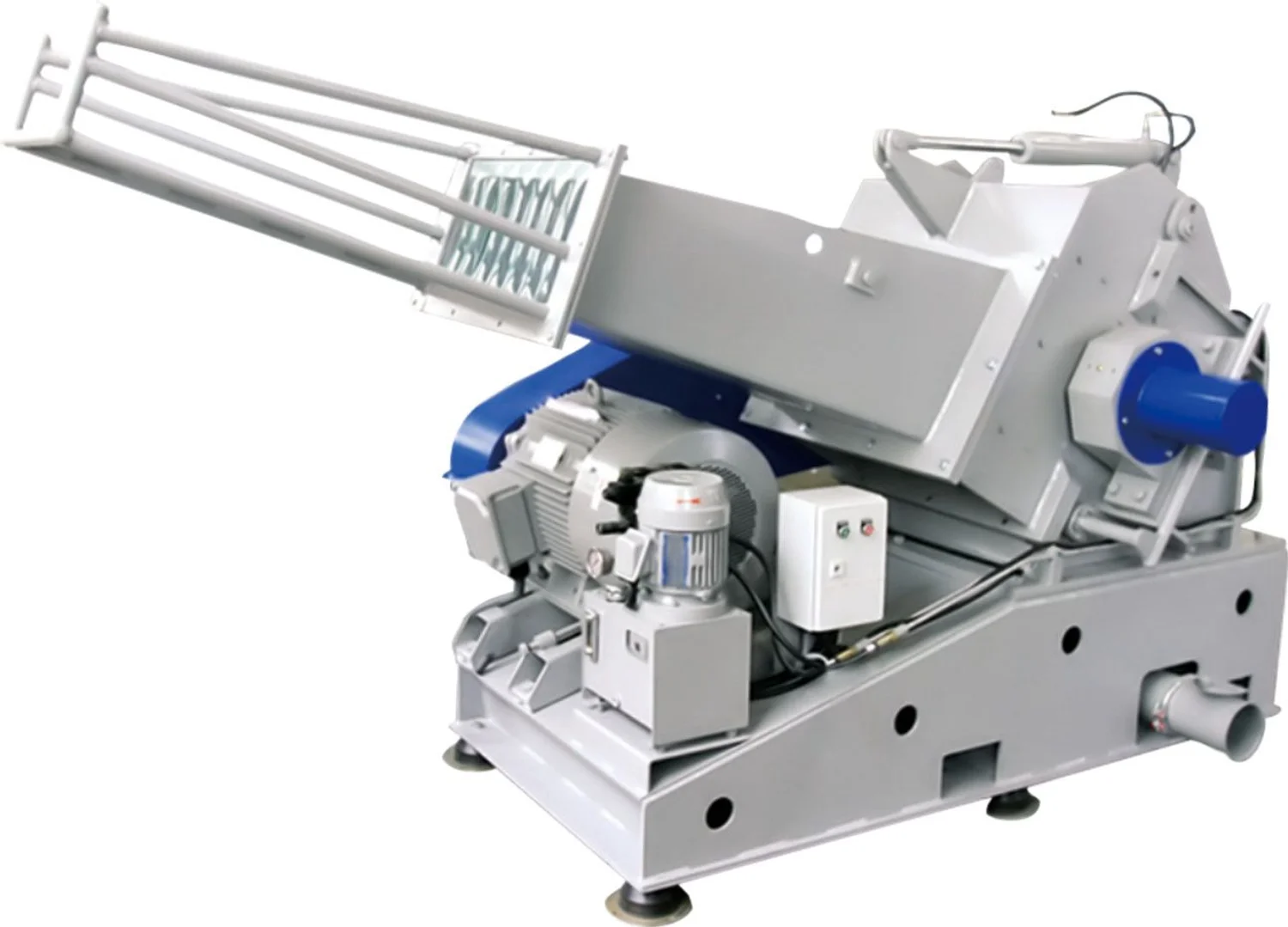
The bottleneck in scaling this further is not the chemistry or the willingness to use recycled material. It is the mechanical processing step at the front end, where full-length HDPE pipe in production or end-of-life form needs to be reduced to a size that downstream granulators can handle. That is where the ZRS Pipe Profile Shredder plays its role.
Post-consumer HDPE recycled into new pipe every year in the U.S., equivalent to approximately 1.8 billion bottles diverted from landfill
Share of HDPE currently coming from recycled rather than virgin sources globally as recycled material demand increases
Projected growth rate for the polyethylene pipe segment through 2033, the fastest-growing plastic pipe material
Why HDPE Is Particularly Well Suited to Closed-Loop Pipe Recycling
| HDPE Property | Why It Matters for Pipe Recycling | Comparison to Other Pipe Resins |
|---|---|---|
| Retains properties after reprocessing | HDPE can be re-extruded into new pipe with comparable performance, including pressure rating in appropriate applications | PVC requires powder form and does not re-extrude directly as granules; PP is similar to HDPE in recyclability |
| No chlorine content | Shredding and grinding does not generate chlorine dust, so ventilation requirements are simpler than PVC | Significant advantage over PVC processing from a facility safety and regulatory standpoint |
| Single consistent resin family | HDPE scrap from pipe operations is typically single-resin and easy to segregate, producing high-quality recyclate | Post-consumer mixed plastics have contamination issues HDPE pipe recycling avoids with proper source segregation |
| Strong secondary market value | Clean HDPE pipe regrind commands good market value as post-industrial recyclate given current recycled content demand | PPI reports the economic case is strong enough that HDPE pipe recycling is self-sustaining at current volumes |
The HDPE Pipe Closed Loop: How It Works at Each Stage
HDPE Pipe Closed-Loop Recycling: Production-to-New-Pipe Pathway
01
Source: Post-industrial or post-consumer HDPE pipe
Startup scrap from HDPE pipe extrusion lines, end-of-life pipe from utility replacement projects, conduit scrap from telecommunications and electrical installation.
02
ZRS Primary Shredding
Full-length HDPE pipe feeds into the ZRS horizontal trough. Hydraulic ram controls feed rate. Output: coarse shredded HDPE pieces in the 50-150mm range, ready for downstream processing.
03
GSP Granulation to Regrind
The GSP pipe and profile granulator reduces shredded HDPE to granule size in the 3-12mm range. Screen selection controls output particle size for the downstream process or sale specification.
04
Regrind Back to HDPE Pipe Extrusion
HDPE regrind blends with virgin resin at the extruder hopper. Post-industrial scrap from the same facility typically runs at 25-30% regrind blend; post-consumer material at lower percentages per compound specification. New HDPE pipe is produced.
HDPE Pipe Input
ZRS Shredder
GSP Granulator
HDPE Regrind
The ZRS in HDPE Applications: What Makes It the Right Fit
The ZRS Pipe Profile Shredder’s horizontal trough geometry directly solves the problem that makes HDPE pipe recycling difficult at scale without it. HDPE pipe at large diameters, above 400mm in particular, simply will not fit a standard shredder hopper. Contractors and recyclers who lack a dedicated pipe shredder either cut the pipe manually, which is time-consuming and creates safety hazards, or they decline material that exceeds their processing capability, which limits the volumes they can handle.
The ZRS is designed to make this process clean and reliable. The hydraulic ram manages the feed rate regardless of the pipe’s wall thickness or diameter variation within the machine’s capacity range. This means large-diameter thick-wall HDPE pipe, which is among the most challenging material to process due to its combination of size and toughness, runs through the ZRS without the jam-and-restart cycles that plague general-purpose shredders attempting the same task.
What Is Driving HDPE Pipe Recycling Demand Higher
Infrastructure investment is the primary driver. The U.S. and international markets continue to invest heavily in water supply, gas distribution, and telecommunications infrastructure, all of which use substantial volumes of HDPE pipe. As older systems are replaced, end-of-life HDPE pipe volumes grow. Programs that collect that material and return it to pipe production are becoming standard rather than exceptional.
Recycled content targets are the other driver. The PPI notes that if state DOTs and engineers approve HDPE pipe more broadly as an alternative to concrete and metal, annual recycled content demand could exceed 1 billion pounds, nearly double current usage. That would divert close to 3 billion bottles’ worth of plastic from landfills annually and requires a corresponding scaling of processing capacity.
Watch Pipe and Profile Equipment in Action
See the ZRS pipe shredder and GSP granulator in real production conditions. The P-Series overview videos below show the same horizontal trough and hydraulic ram design used in the ZERMA ZRS.
- P-Series / ZRS Pipe Shredder Overview
See the horizontal trough and hydraulic ram design in the official pipe profile shredder overview. - Pipe Shredder in Production Operation
Watch the pipe profile shredder processing pipe material with hydraulic ram feed control in real conditions. - Full ZERMA YouTube Channel
All ZERMA equipment demonstrations including ZRS, ZCS, GSP, and PM Plastics Pulverizer systems. - Send Us Your Pipe Material for Testing
Ship your pipe or profile material to our Fort Myers facility. We run it live and send you the video results.