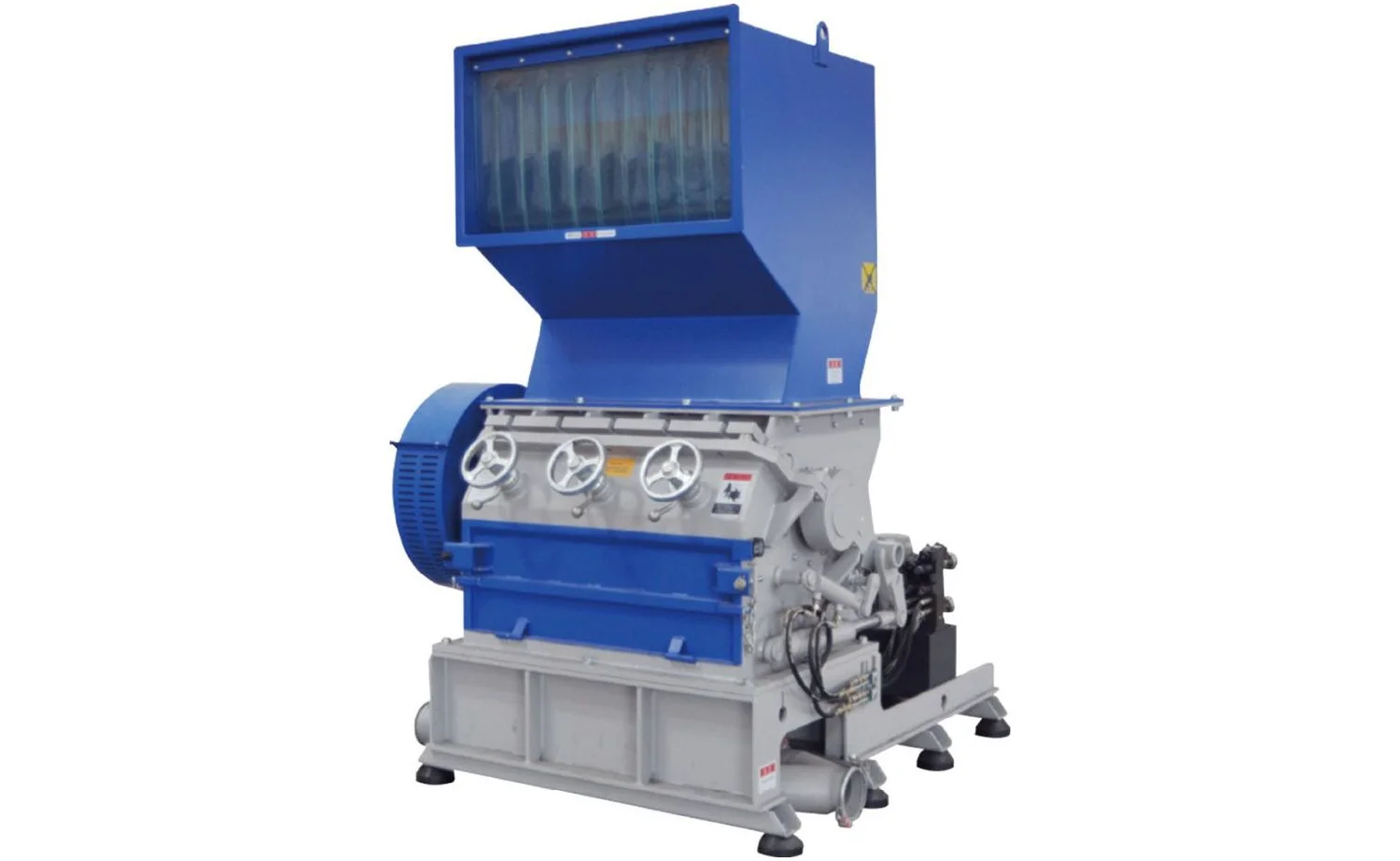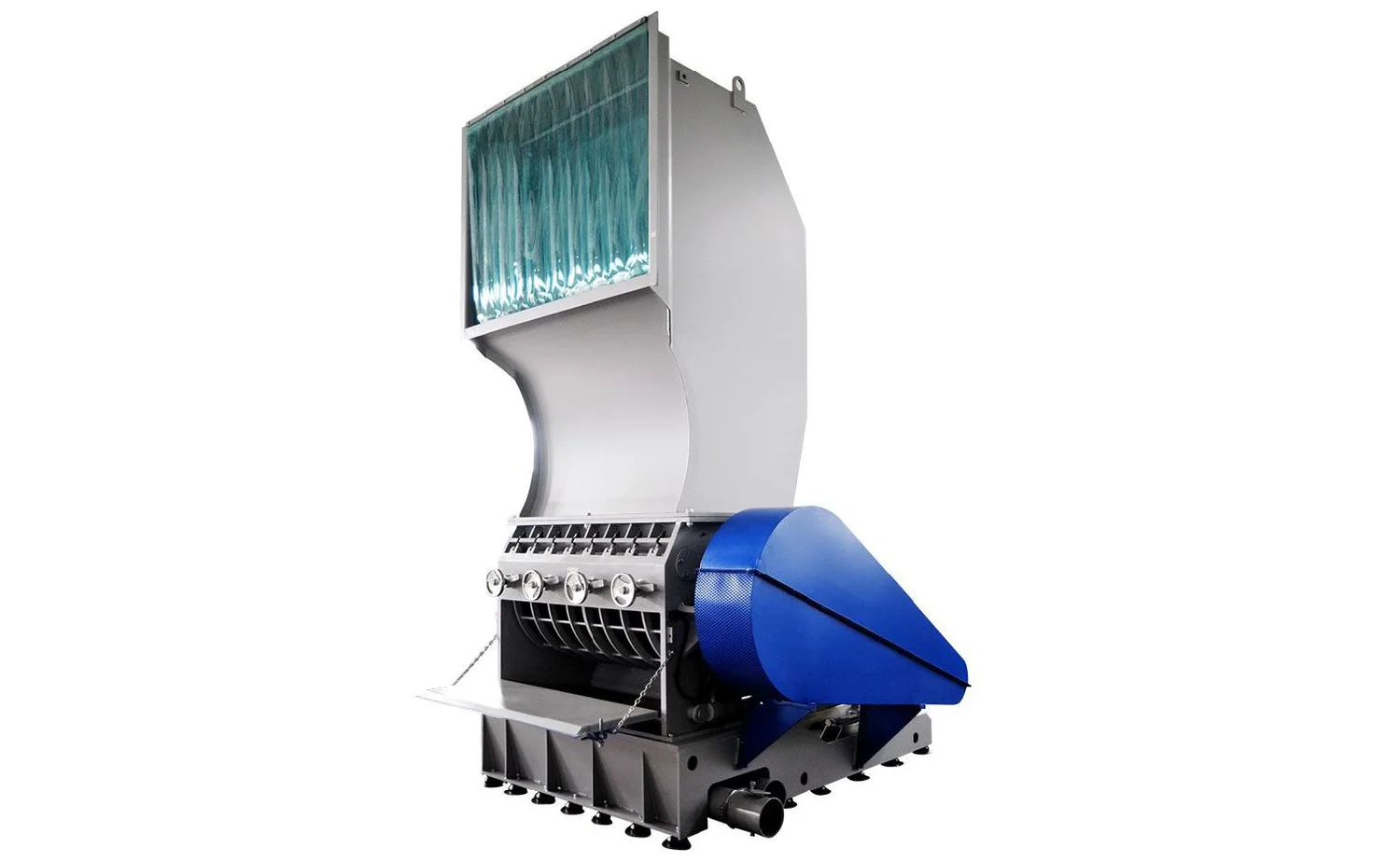
The failures that stop a line are almost never surprises. They are worn parts that nobody inspected on a schedule. Here is the daily-to-annual rhythm that keeps a granulator or shredder running.
A size-reduction machine tells you it is in trouble long before it fails. Regrind drifts out of spec. The motor draws more current for the same work. A bearing runs a few degrees warmer. Bolts back off a quarter turn. None of these are emergencies on their own, and every one of them becomes an emergency if no one is looking. The purpose of a maintenance schedule is to look, on purpose, before the machine forces you to.
Industry maintenance guidance attributes the majority of total downtime cost to unexpected breakdowns, and notes that disciplined preventive maintenance can extend equipment life from a typical 8–10 years to 12–15 years.[1] The schedule below is how you move from reacting to breakdowns to preventing them.
The schedule at a glance
Every shift / daily
Look, listen, clear
- Clear the cutting chamber and screen area of residual regrind and foreign objects
- Listen for unusual knocking, rubbing, or bearing noise
- Check for excessive vibration and any new leaks
- Confirm guards, interlocks, and E-stops are in place and working
Weekly
Fasteners & belts
- Check knife and bed-knife bolt torque to spec
- Inspect V-belt tension and re-tension on schedule (published guidance suggests around every 200 hours)[2]
- Inspect the screen for elongated holes or cracks
- Verify the rotor-to-bed cutting gap is in tolerance
Monthly
Blades & rotor
- Rotate or sharpen blades as wear dictates; replace the screen if perforations have opened up
- Grease bearings on schedule (published guidance suggests roughly every 500 hours)[2]
- Check rotor balance and inspect for uneven wear
- Inspect electrical connections and clean cooling paths
Quarterly / annual
Full service
- Complete rotor inspection and bearing-replacement assessment (quarterly)[1]
- Full rotor service, motor inspection, and electrical verification (annual)[1]
- Review blade re-grind count against replacement threshold
- Audit spare-parts stock against lead times
The wear parts that matter most
Blades and bed knives
Tool-steel blades are not disposable; they are re-sharpenable. Published guidance indicates a typical tool-steel blade set can be reground on the order of 6 to 10 times before replacement, and that resharpening to roughly 0.03 mm precision keeps cut quality high.[1][2] Tracking the re-grind count per set turns blade replacement from a surprise into a planned event, and an automatic grinder pays for itself over the life of a single set.[2]
The cutting gap
This is the highest-leverage check on the list. Guidance keeps the rotor-to-bed-knife gap in roughly the 0.15 to 0.30 mm range; letting it drift past about 0.5 mm can waste a meaningful share of motor energy and tear plastic instead of cutting it.[2] Checking the gap costs minutes and protects both regrind quality and your power bill.
The screen
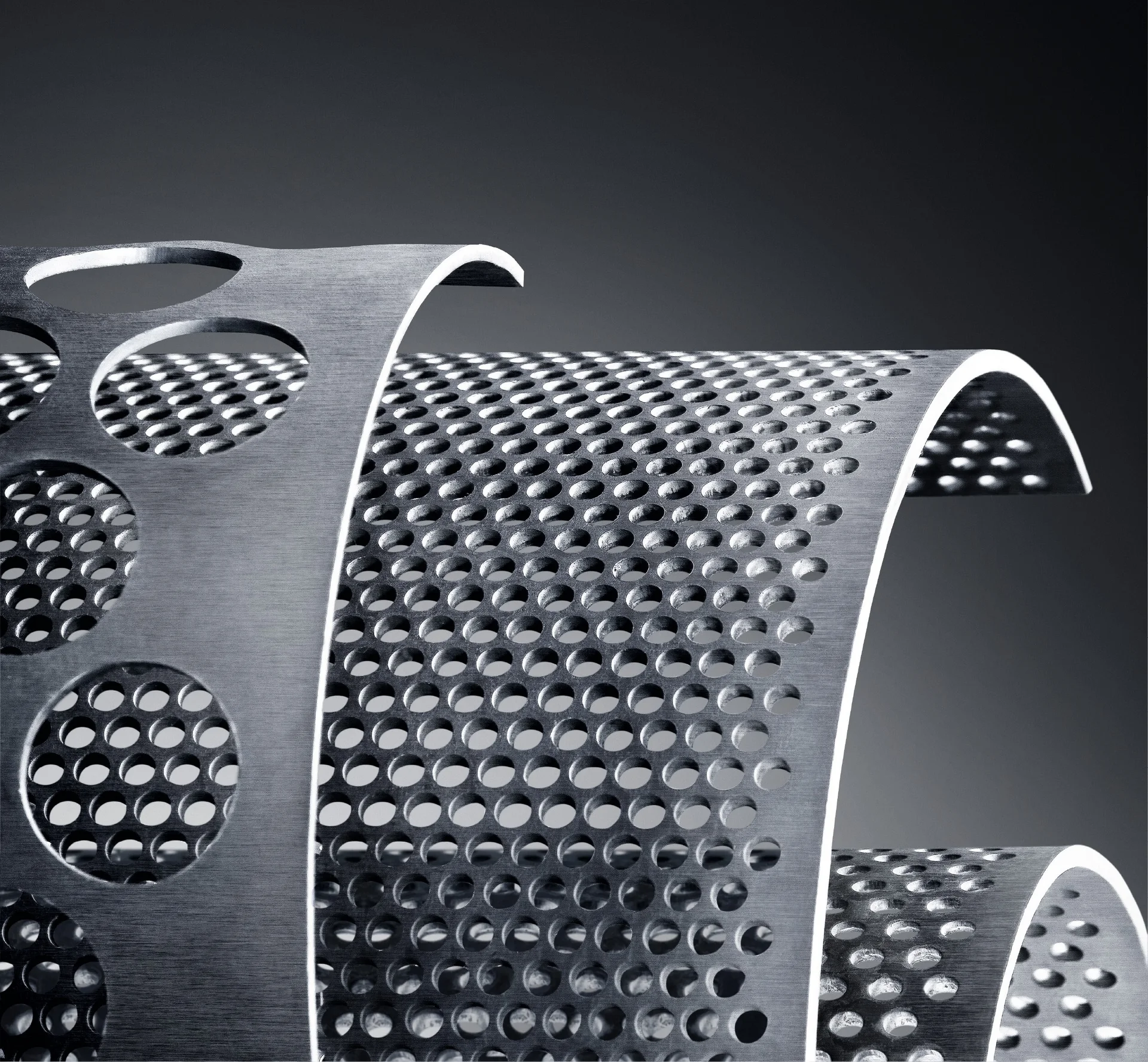
Screens wear from the inside as particles scour the holes. Once perforations elongate past roughly 110 percent of their original size, oversize regrind starts slipping through and your size control is gone.[2] A worn screen is one of the most common and most overlooked causes of out-of-spec output.
Where a maintenance dollar goes furthest
Relative impact on uptime and output quality of common preventive tasks. Directional, based on the failure modes these tasks prevent.
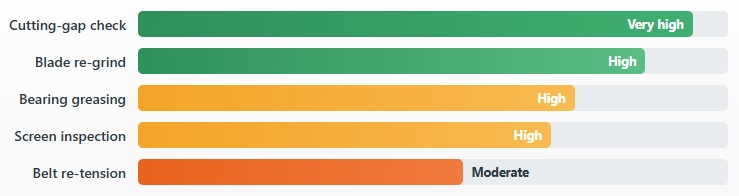
Directional ranking based on published maintenance intervals and the downtime each task prevents.[1][2]
Keep genuine parts on the shelf
The fastest maintenance schedule in the world stalls if the part is three weeks out. Stock the wear items you touch most, blades, bed knives, screens, belts, and bearing kits, sized to your lead times. ZERMA supports its machines with genuine spare parts and aftermarket service so a planned replacement stays planned.
Keep production flowing with genuine parts and service
ZERMA America aftermarket support keeps blades, screens, and bearings on hand and gets a technician on the phone when you need one.
Frequently asked questions
How often should granulator blades really be sharpened?
By condition, not by the calendar alone. Sharpen when cut quality drops, energy draw rises, or fines increase. A tool-steel set can typically be reground on the order of 6 to 10 times before replacement, so tracking the re-grind count per set lets you plan the eventual swap.
What is the single most valuable check I can do?
The cutting gap. Keeping the rotor-to-bed gap in the roughly 0.15 to 0.30 mm range protects cut quality and prevents the machine from wasting energy tearing plastic. It takes minutes and prevents a cascade of downstream problems.
Is preventive maintenance worth the labor cost?
The numbers favor it. Unexpected breakdowns account for the majority of total downtime cost, and disciplined maintenance can extend equipment life by years. Planned minutes are far cheaper than unplanned hours.