The term “multi-purpose shredder” gets used a lot in equipment marketing. In practice, it describes something specific and useful: a shredder designed with enough flexibility in rotor speed, cutting geometry, and feed configuration that it can process meaningfully different material types without requiring a full equipment change between runs. That flexibility has real value for operations that deal with variable scrap streams, recycling contractors handling multiple customers, and processors entering a new material market alongside an existing one.
The caveat, which is worth stating plainly, is that a multi-purpose machine is not the right answer for every application. Very high-volume, single-material operations often perform better with dedicated equipment optimized for that specific material. And some material combinations, like hard plastic and soft textile in the same cutting chamber, require careful thought about configuration and scheduling. Understanding where multi-purpose works well, and where it does not, is how you make the right capital decision.
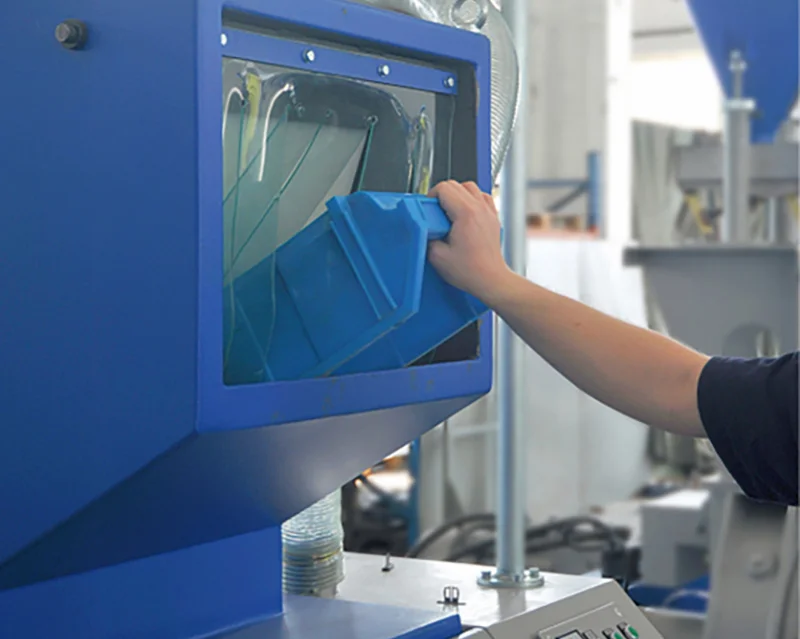
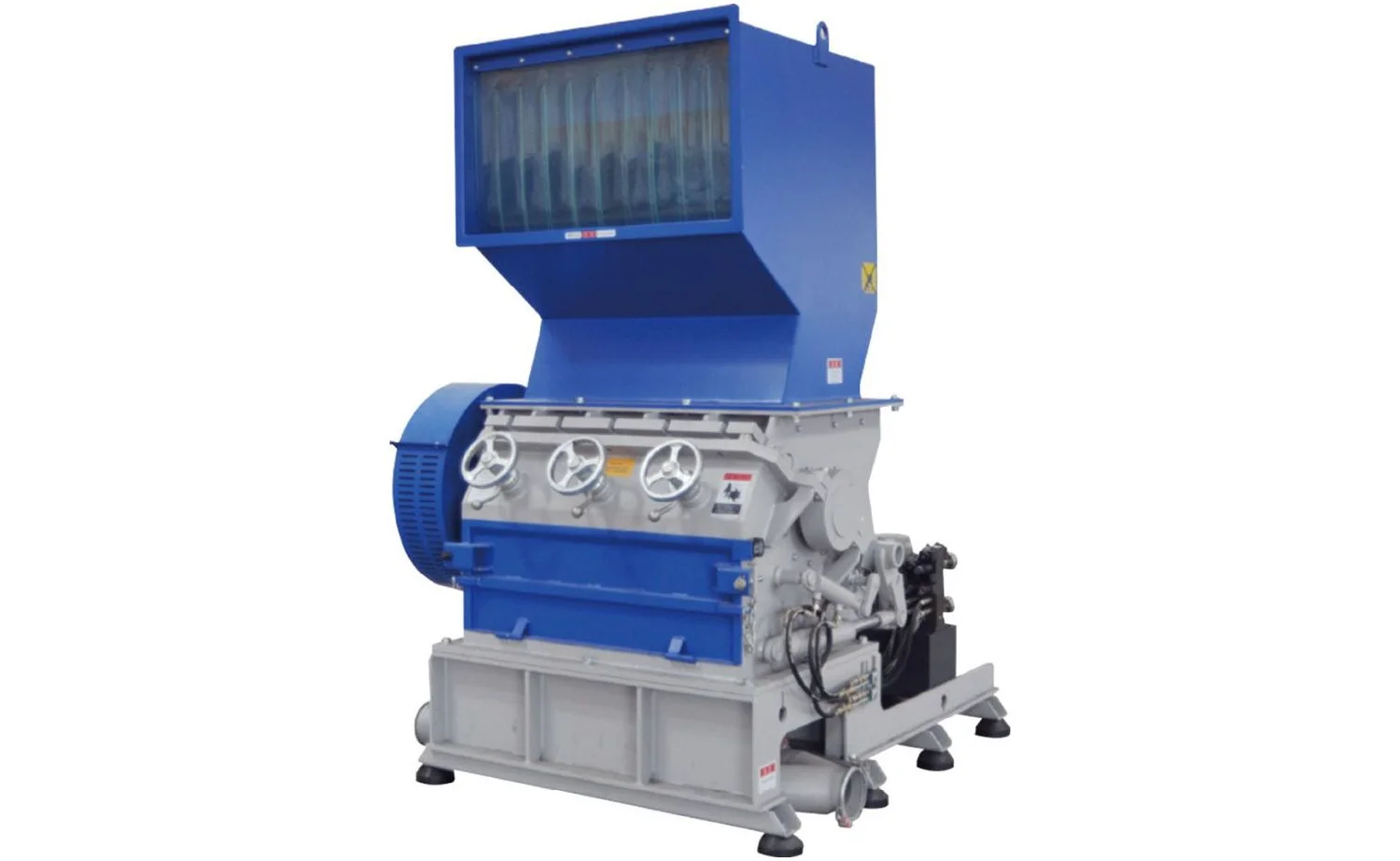
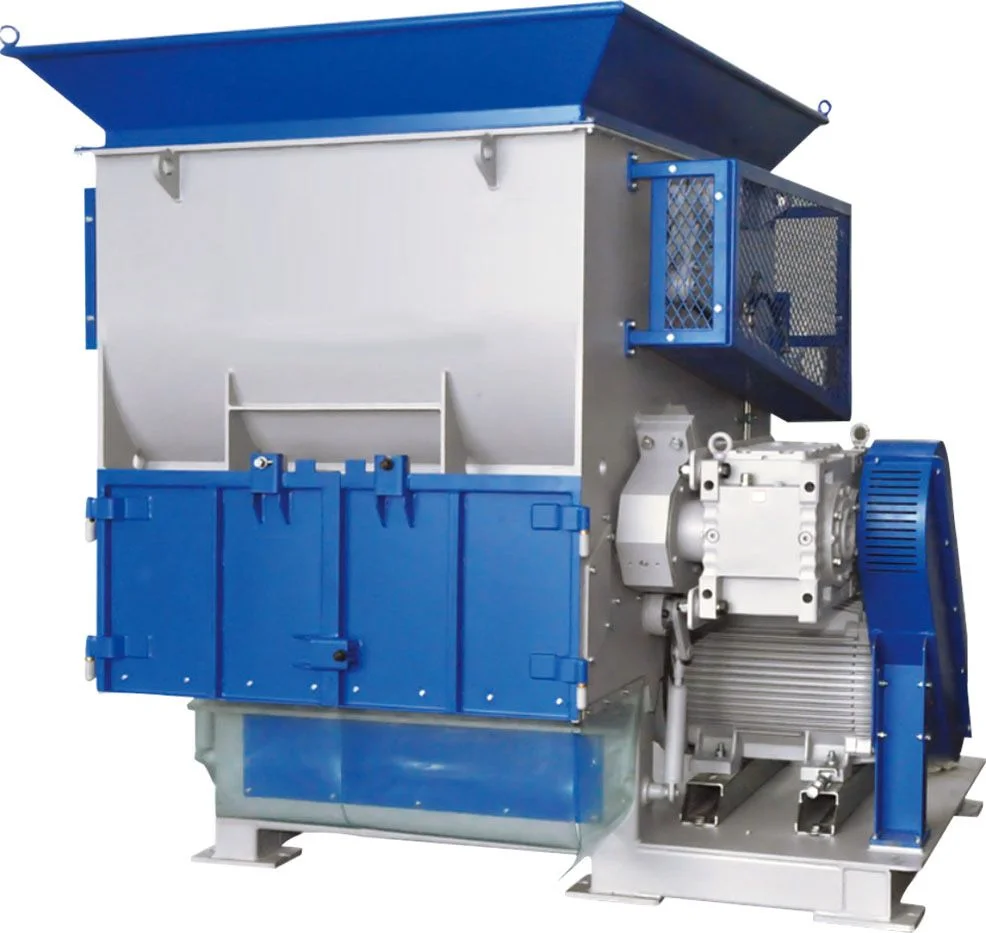
A well-designed multi-purpose shredder adjusts rotor speed, knife geometry, and screen selection to handle different material densities and forms
Textile waste recycling machine market growth through 2035, one of the emerging material streams multi-purpose equipment can address
Industry trend toward modular, flexible shredding systems for operations that need to reconfigure for different waste streams is accelerating in 2025-2026
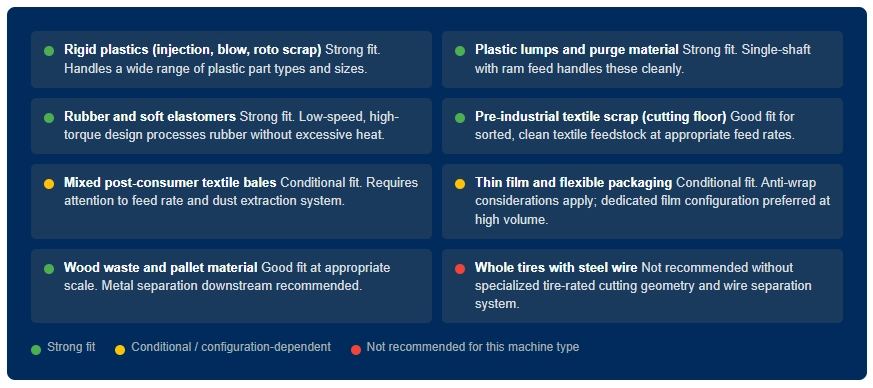
What Materials a Well-Configured Multi-Purpose Shredder Can Handle
ZERMA ZSS General Purpose Shredder: Material Capability Overview
The Variables That Determine Whether Multi-Purpose Works for You
The honest answer to whether a multi-purpose shredder is right for your operation comes down to five questions. Going through these before a purchase conversation will save you time and help you get to the right recommendation faster.
How different are your material streams from each other?
Rigid plastic to rubber is manageable with appropriate speed and geometry adjustments. Rigid plastic to fine textile fiber involves genuinely different cutting requirements and dust management needs. The greater the difference between your material streams, the more important it is to discuss configuration specifics before assuming one machine handles both.
How frequently do you switch between materials?
A multi-purpose shredder that switches once a week between two similar material types is a very different situation from one that switches several times per shift between very different materials. Changeover time, cleaning requirements, and screen swap procedures all affect the effective productivity calculation.
What are the volume requirements for each stream?
Multi-purpose configurations work best when the volumes of different materials are moderate and do not individually justify dedicated high-capacity equipment. If one material stream drives extremely high throughput requirements, a dedicated machine for that stream often makes more sense, with a secondary multi-purpose unit handling everything else.
Do your material streams have different output requirements?
Shredded plastic going to a downstream granulator has different output size needs than shredded textile going to a fiber opening stage. Screen selection varies, and a machine running significantly different screens for different applications needs to be serviced and adjusted between runs. Factor this into your operational planning.
What are your dust extraction and safety requirements?
Textile shredding generates dust that plastic shredding typically does not. If you are combining these streams in one machine, your facility’s dust extraction system needs to handle the textile application, which may require an upgrade even if the shredder itself is capable.
ZERMA’s ZSS and ZHS: Where Multi-Purpose Works Best
| Machine | Best Multi-Purpose Fit | Where It Excels |
|---|---|---|
| ZSS General Purpose Shredder | Varied rigid plastic scrap, rubber, wood, pre-industrial textile, mixed industrial scrap | Mid-volume operations processing several material types on a flexible schedule; recycling contractors handling diverse customer streams |
| ZHS Horizontal Shredder | Bulky items, large industrial parts, furniture, mixed plastic and non-plastic scrap | Operations with oversize or awkward feedstock that requires a horizontal feed orientation; post-consumer and C&D stream handling |
| ZIS Big Volume Shredder | High-volume mixed streams requiring a large cutting chamber and high-torque processing | Municipal and industrial recycling facilities handling large volumes of varied material with minimal pre-sorting |