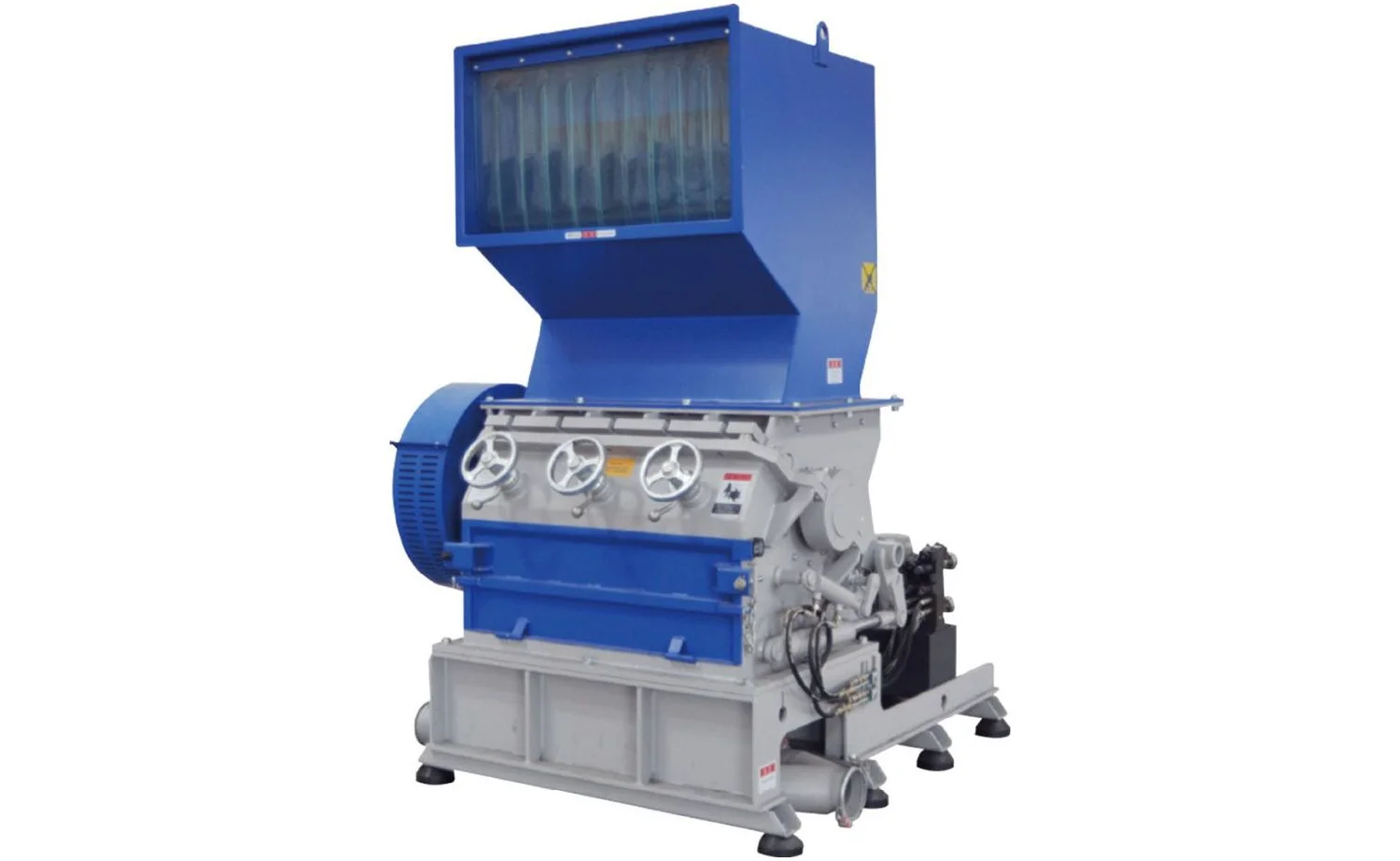
Two piles of the same plastic can be worth very different amounts. The difference is not the polymer. It is how clean, consistent, dry, and correctly sized the regrind is when it leaves the machine.
Regrind is what a granulator produces: plastic scrap reduced to flake that can go back into a process. Whether that flake is a valuable raw material or a disposal problem depends on a handful of properties. Understand them and you can turn in-house scrap into resin you would otherwise buy, or a product you can sell with confidence. Ignore them and you generate material that gets downgraded, rejected, or landfilled. This is the buyer’s guide to what actually makes regrind worth something.
Every pound of usable regrind is a pound of virgin resin you do not have to buy. That makes regrind quality a revenue question, not just a housekeeping one. The five properties below are what stand between “recovered resin” and “waste.”
The five properties that set regrind value
1. Particle size and consistency
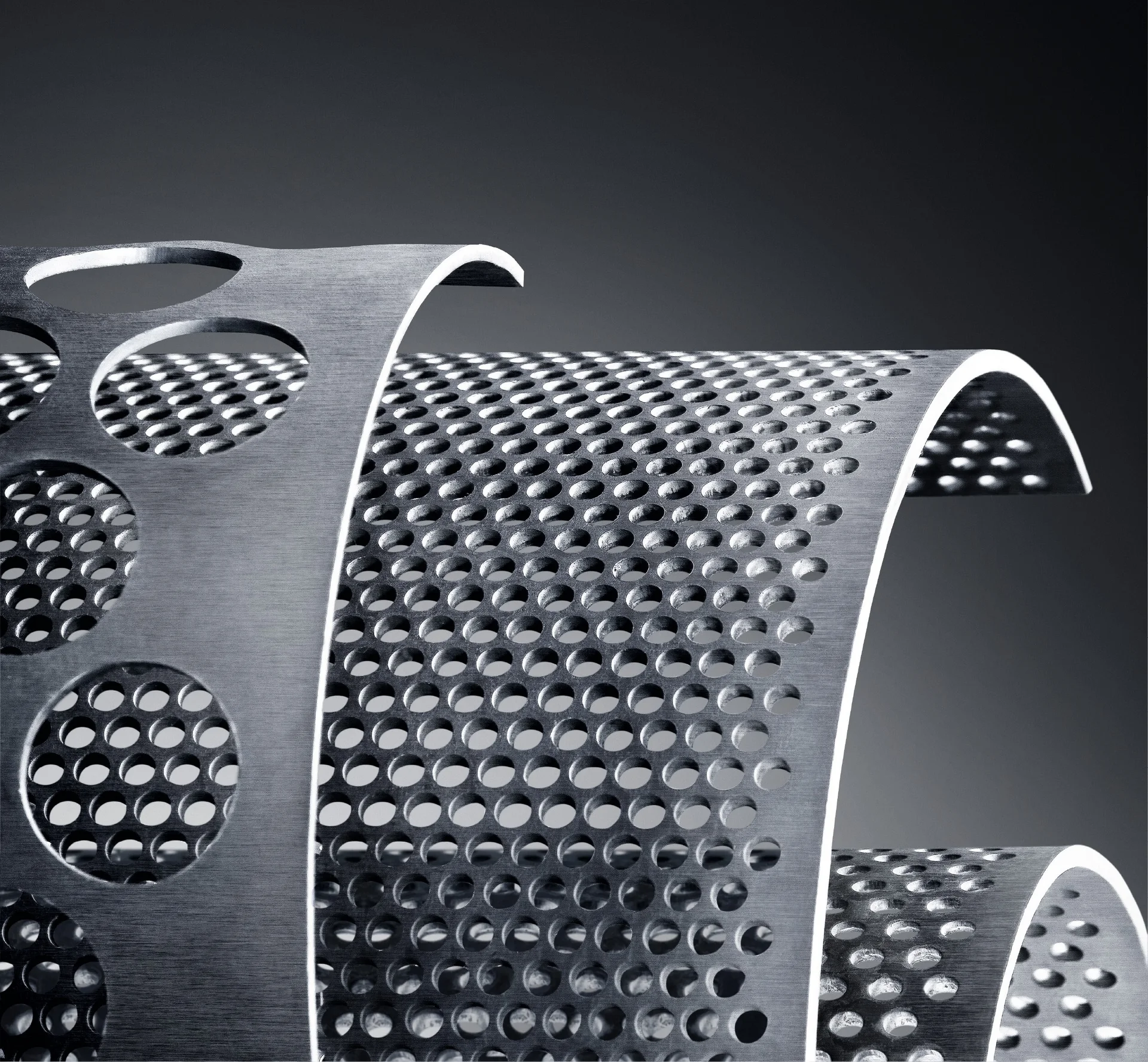
Downstream processes are designed around a particle-size window. Extruders and molding machines feed and melt regrind predictably only when the flake is within that window and consistent from batch to batch. Oversize particles bridge and jam feeders; wildly variable size causes inconsistent melt and quality problems. Consistent, correctly sized flake is the foundation everything else sits on, and it is set by your screen and rotor choice.
2. Fines and dust
Fines are the very small particles produced when material is cut more than it needs to be. They are the enemy of regrind value: they can degrade or scorch in the extruder, disrupt feeding, create dust-handling headaches, and drag down the grade of flake sold by weight. Low fines is a quality marker buyers pay for. As covered in our screen-size article, the biggest lever on fines is choosing the largest screen your process can accept rather than the smallest.
3. Contamination
Contamination is the fastest way to destroy regrind value. It comes in several forms, and each has a different fix.
| Contaminant | Typical source | Control |
|---|---|---|
| Metal | Fasteners, tramp metal in feed | Magnets, metal detection, feed screening |
| Cross-polymer | Mixed resins in the same stream | Sorting, dedicated streams |
| Dirt / organics | Post-consumer or floor scrap | Washing, air classification |
| Labels / adhesives | Packaging, bottles | Wash lines, separation |
Keeping streams separate at the source is almost always cheaper than trying to clean a mixed stream later. A single resin, cleanly recovered, is worth far more than a blended one.
4. Moisture
Many polymers absorb moisture, and wet regrind causes visible defects, splay, bubbles, and weak parts, when it is melted. Hygroscopic resins in particular need drying before reprocessing. Wet granulation cleans contaminated post-consumer material but adds a drying step; dry granulation of clean in-house scrap avoids it. Either way, moisture control is part of producing usable regrind, not an afterthought.
5. Bulk density
Bulk density is how much the flake weighs per unit of volume. It affects everything downstream: how the material feeds, how it conveys, how efficiently you can store and ship it, and how consistently it melts. Fluffy, low-bulk-density film flake behaves very differently from dense, chunky rigid regrind. Consistent bulk density means predictable feeding and fewer surprises in the extruder.
What separates high-value regrind from waste
Relative contribution of each property to whether regrind can replace virgin resin. Directional, based on how downstream processes respond to each factor.
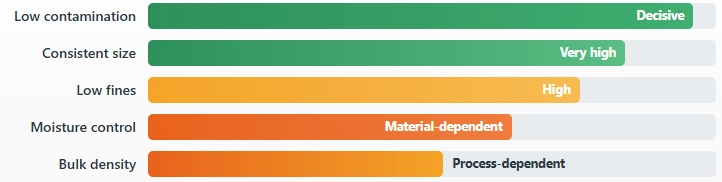
Directional weighting based on how strongly each property affects reusability and market grade. Actual priorities depend on your resin and downstream use.[1][2]
How much regrind can you actually reuse?
A common practical question is how much regrind you can blend back with virgin material without quality issues. In many injection applications, a regrind ratio in the range of roughly 5 to 20 percent is used without problems, depending on the material and the part requirements.[3] Higher ratios are possible in the right applications, but the ceiling is set by quality: clean, consistent regrind lets you push the ratio; contaminated or variable regrind forces it down. Better regrind literally lets you displace more virgin resin.
Regrind quality is a chain, and it is only as strong as its weakest link. The right machine, the right screen, contamination control at the source, and moisture management together decide whether your scrap becomes a resin you reuse or a cost you carry.
Start with the right machine and a material test
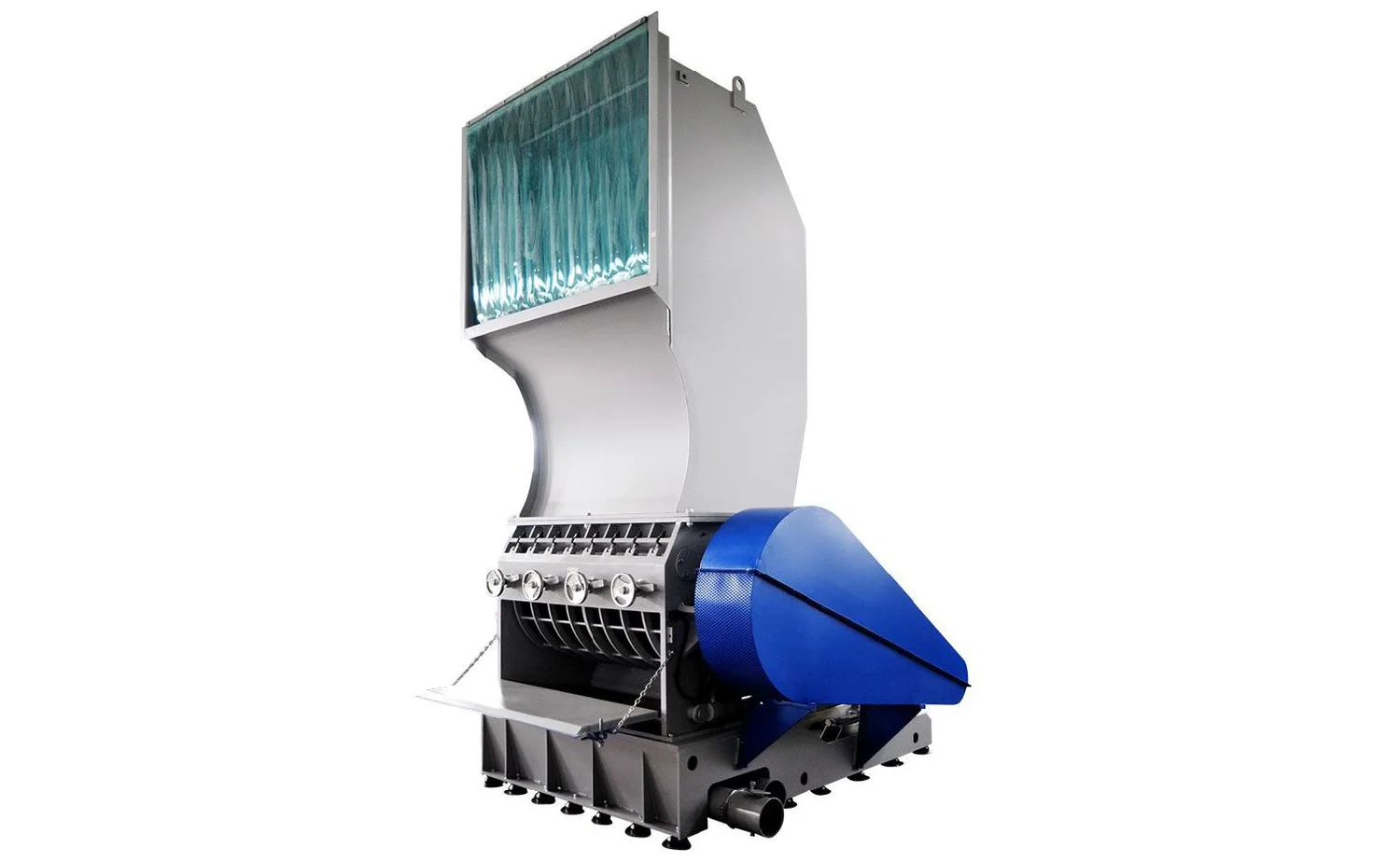
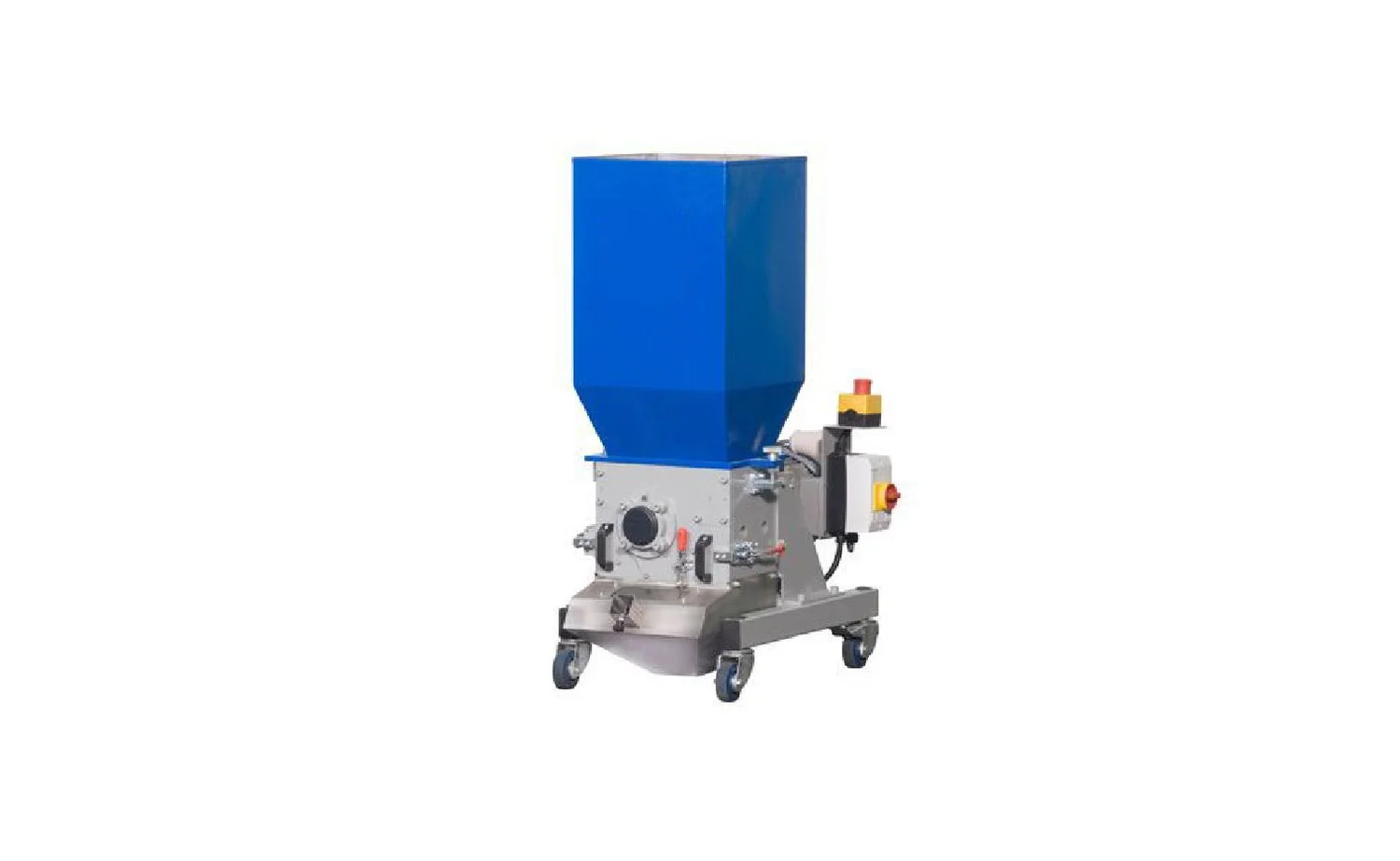
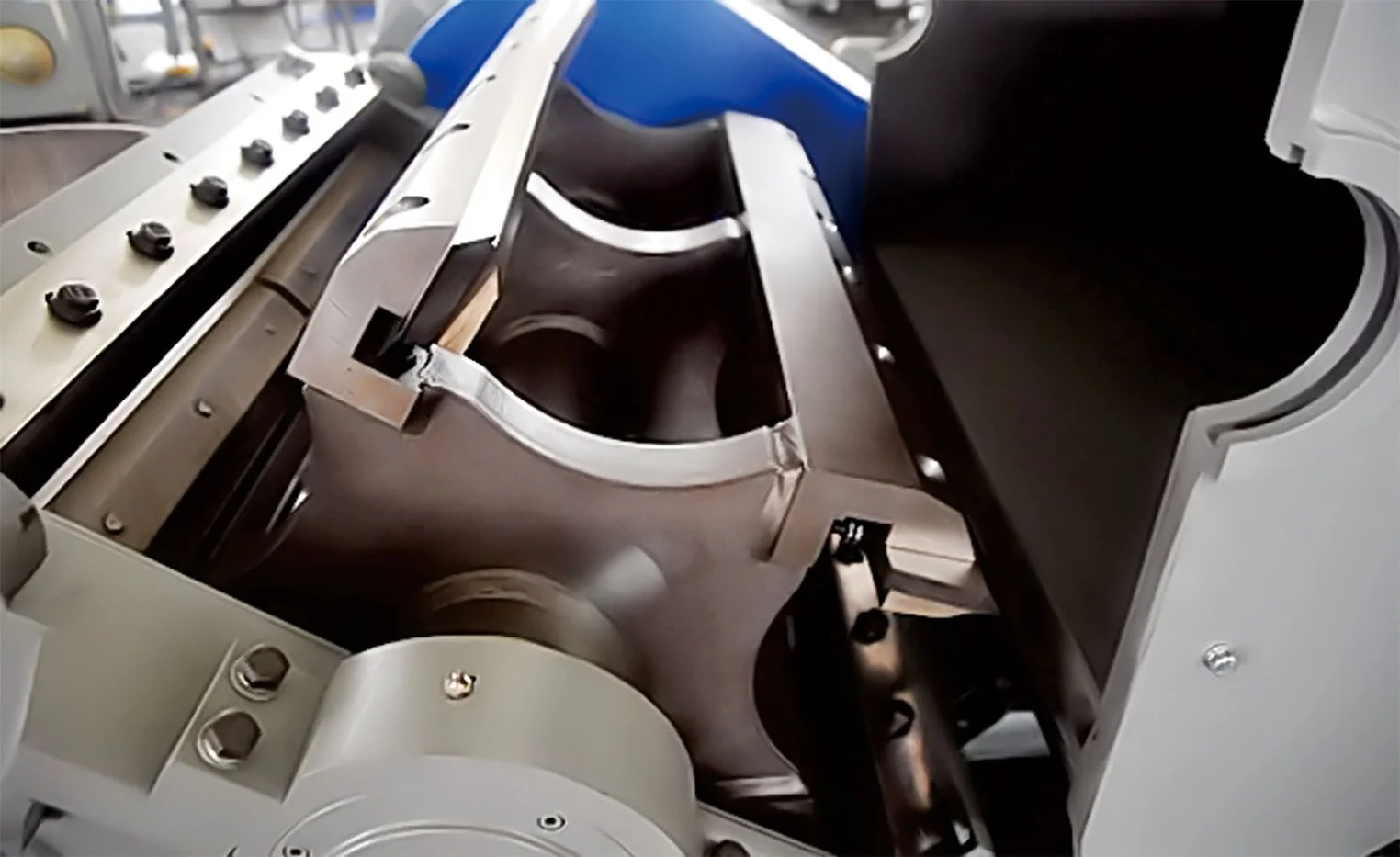
Good regrind starts at the granulator. The cutting configuration sets your size and fines; the system around it handles contamination and moisture. The surest way to know what quality you will get is to test your actual material before you buy. ZERMA runs material testing for exactly this reason, so the machine, screen, and rotor are matched to the regrind you need to produce.
Find out what quality regrind your scrap can become
Send us a sample of your material. We will test it and recommend the machine and setup that turns it into regrind you can reuse or sell.
Frequently asked questions
How much regrind can I mix back into virgin resin?
In many injection applications a regrind ratio of roughly 5 to 20 percent is common without quality issues, depending on the material and part. The cleaner and more consistent your regrind, the higher you can safely push the ratio, which means better regrind lets you replace more virgin resin.
What ruins regrind value fastest?
Contamination, especially metal and mixed polymers. It is far cheaper to keep streams separate and screen out contaminants at the source than to try to clean a blended, dirty stream after the fact. A single resin cleanly recovered is worth much more than a mixed one.
Do I need to dry my regrind?
It depends on the polymer. Hygroscopic resins absorb moisture and will show defects like splay and bubbles if melted wet, so they need drying before reprocessing. Clean, dry in-house scrap processed promptly often needs less handling. Match your moisture strategy to your specific material.