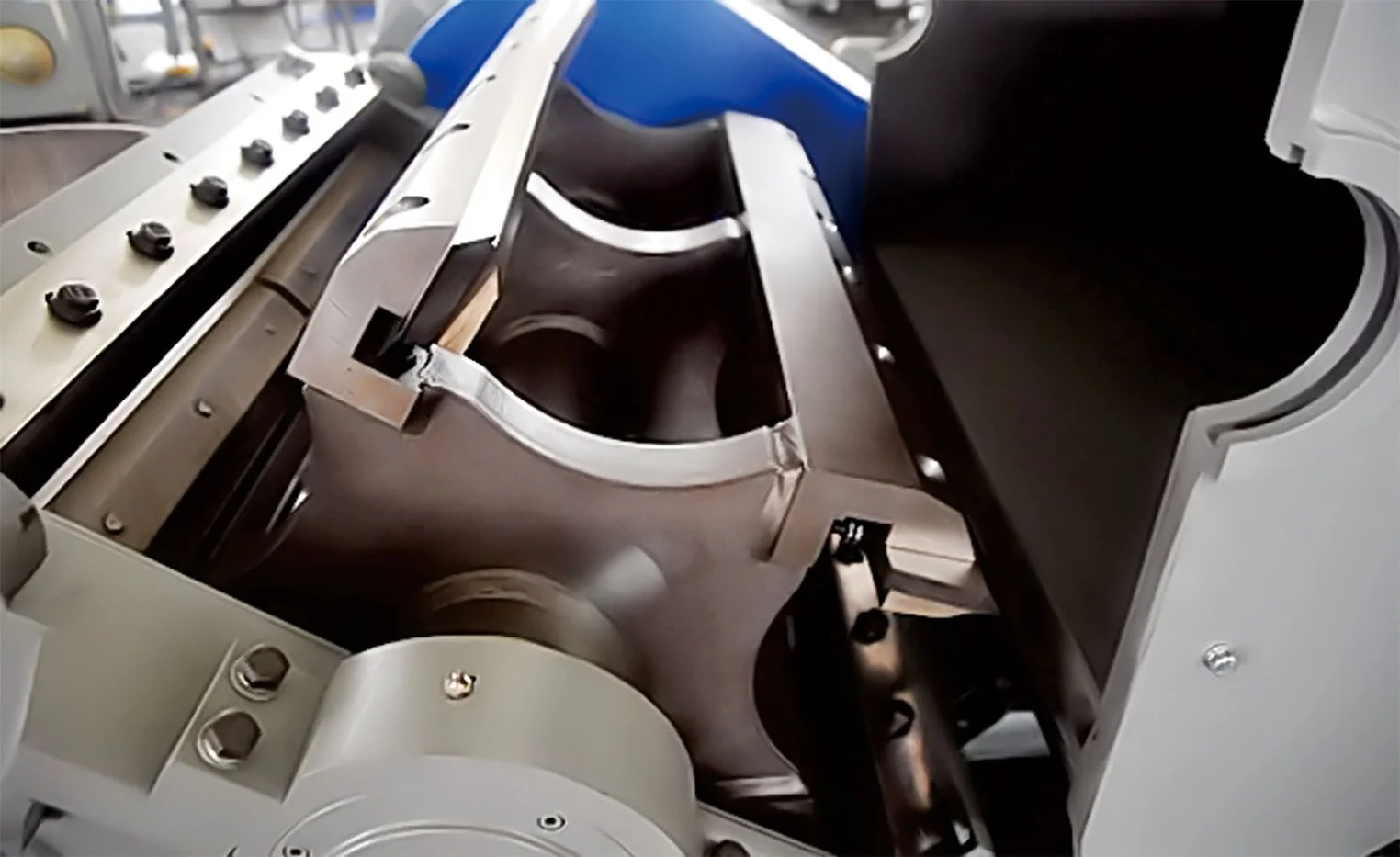
A tramp bolt, a handful of grit, a stream of fines. None of it shows up on the purchase order, but all of it shows up in your blade bills, your throughput, and the price your regrind fetches. Here is how to stop paying it.
Two loads of the same plastic can be worth very different amounts, and the difference is rarely the polymer. It is how clean and consistent the material is. Contamination is the quiet force working against you on both ends of the machine: it degrades the regrind you sell and it drives up the cost of running the equipment that makes it.
The frustrating part is that contamination hides. Nobody buys a shredder expecting to fight dirt. But the market has moved: across North America, buyers increasingly demand high-purity regrind, and material carrying residue, mixed content, or excessive fines sells for a fraction of clean flake. As recycled-content commitments tighten in the United States and Canada, managing contamination is now a core part of running a profitable size-reduction operation.
The three contaminants and what each one costs
| Contaminant | Where it comes from | What it costs you |
|---|---|---|
| Tramp metal | Fasteners, inserts, stray tools, baling wire | Immediate, catastrophic blade and rotor damage; unplanned downtime |
| Grit & dirt | Field soil, floor sweepings, sand, abrasive fillers | Accelerated knife and screen wear; more frequent regrinds and replacements |
| Fines & dust | Dull knives, over-processing, wrong screen | Lower regrind value, poorer remelt, dust-handling and housekeeping burden |
Metal: the one that ends a shift
Of the three, tramp metal is the most dangerous because its damage is sudden. A single bolt or piece of baling wire fed into a cutting chamber can chip or break knives, score the rotor, and stop production while you inspect and repair. This is why metal detection and separation belong ahead of the cutting chamber, not as a downstream cleanup.
The economics are lopsided in your favor. A metal separation accessory is inexpensive relative to a set of knives, a rotor repair, and a day of lost production. Treat it as protection for the expensive parts of the machine, because that is exactly what it is.
Grit: the one that adds up quietly
Dirt and sand do not stop the line. They wear it down. Abrasive contamination is why field-sourced material, agricultural film, post-consumer scrap, anything that has touched the ground, chews through knives and screens far faster than clean production scrap. The cost shows up as shorter intervals between blade regrinds and replacements, and it compounds over the life of the machine.
The defenses are upstream handling, keeping material off the floor and out of the dirt where you can, and choosing cutting components and geometry suited to abrasive feedstock. When grit is unavoidable, plan the maintenance interval around it rather than being surprised by it.
Fines: the one that eats your margin
Fines are the powder-fine particles produced alongside good flake. A little is inevitable. Too much is a problem, because fines lower the value of your regrind, complicate remelting, and add a dust-handling burden. Excessive fines are often a symptom rather than a cause: dull knives, the wrong screen, or over-processing material that has already been cut to size.
Illustrative shift in regrind quality as cutting edges wear, at the same feed

Illustrative. Dull cutting edges smear and crush rather than slice, raising fines, power draw, and heat. Maintain to a schedule to hold quality.
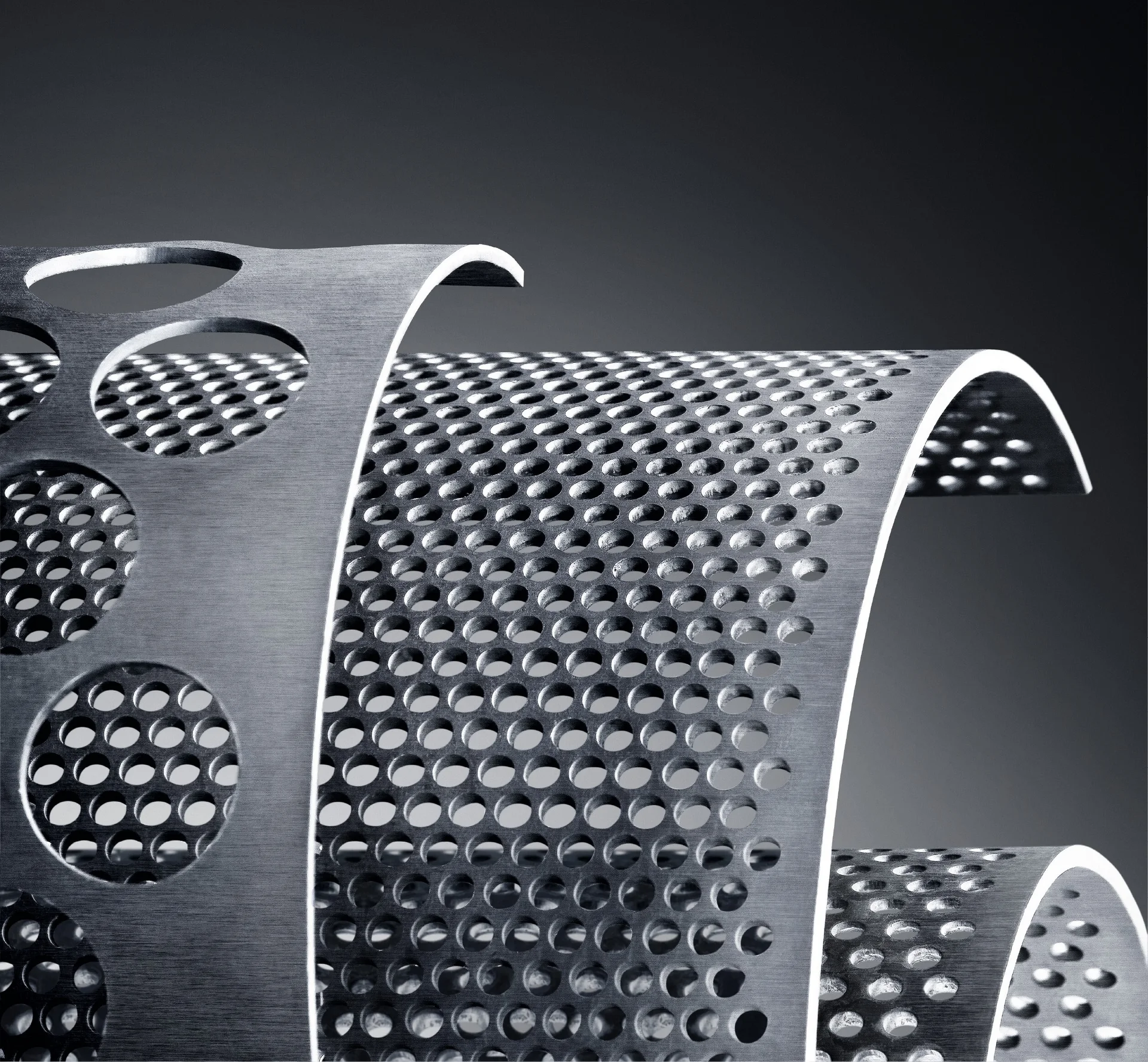
The screen matters here too. The discharge screen perforation is the main control on particle size: smaller holes give finer, more uniform regrind at lower throughput, and the right choice balances the flake size your buyer or process wants against the fines you generate getting there.
Building contamination control into the machine
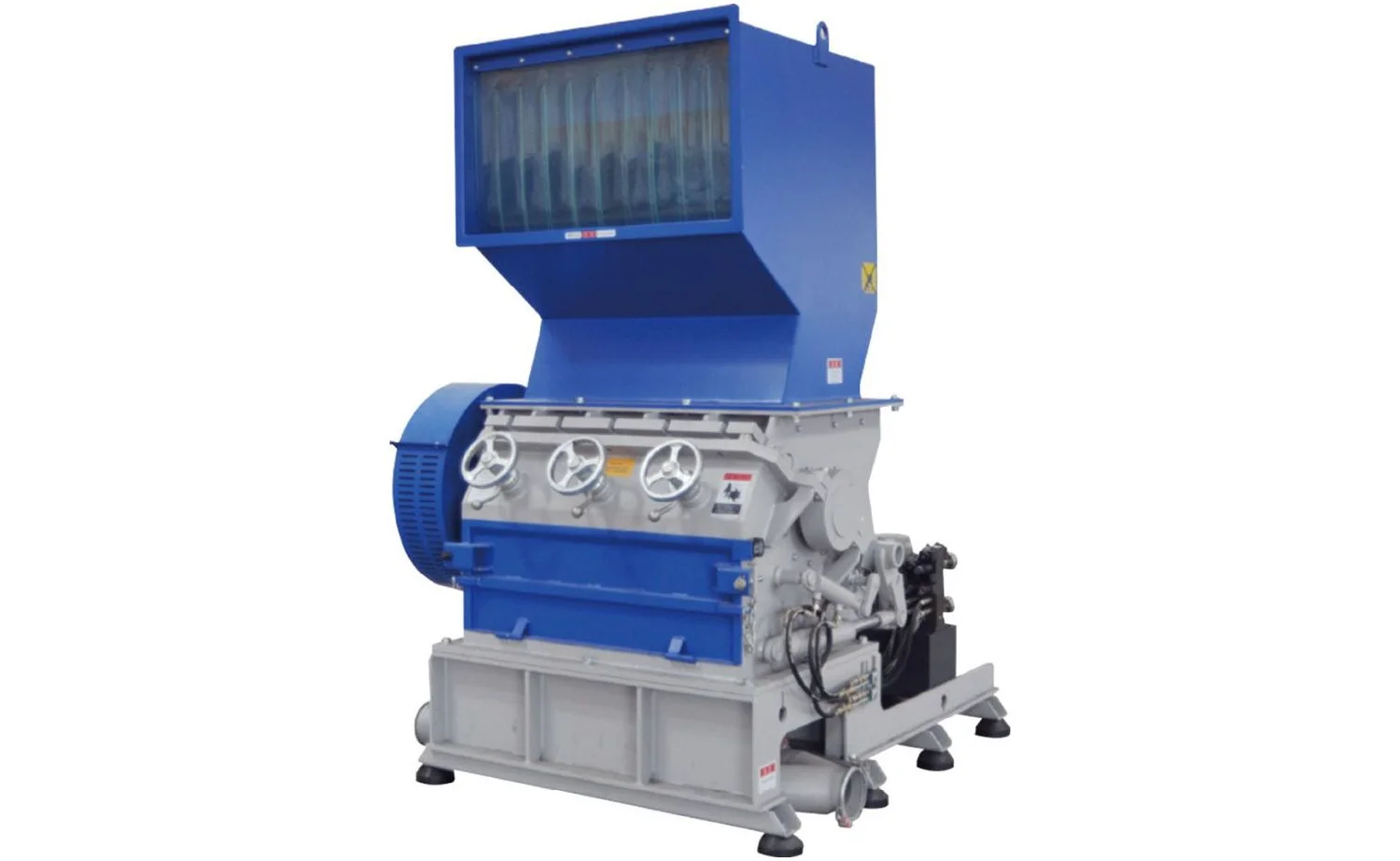
ZERMA America machines are designed to be run with separation and material handling as part of the system, not as afterthoughts. The key pieces:
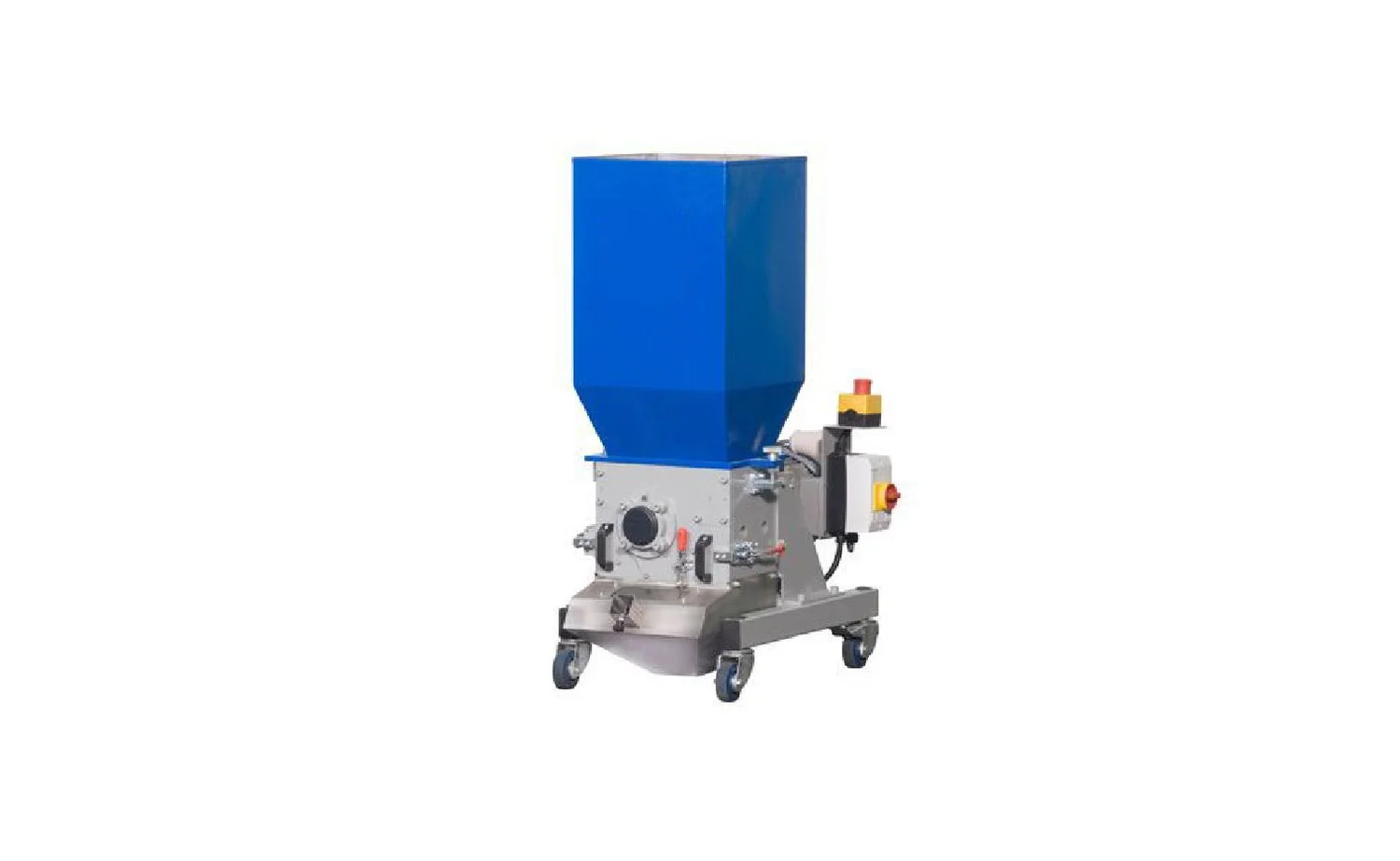
Metal Separation & Accessories
Metal detection and separation to keep tramp metal out of the cutting chamber and protect knives and rotor.
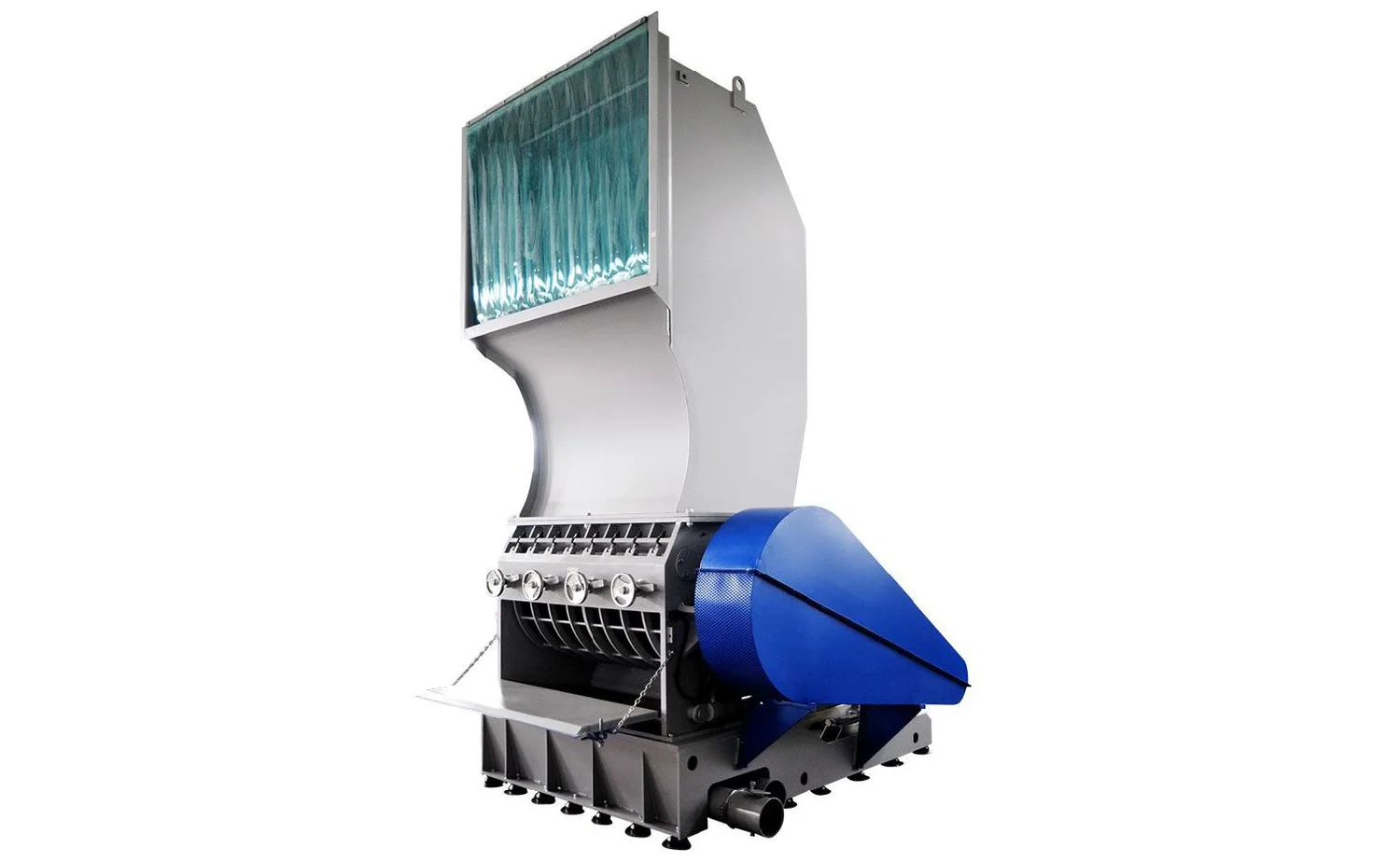
GSL Slow-Speed Granulator
Low-speed, high-torque cutting that produces clean regrind with fewer fines and less dust.
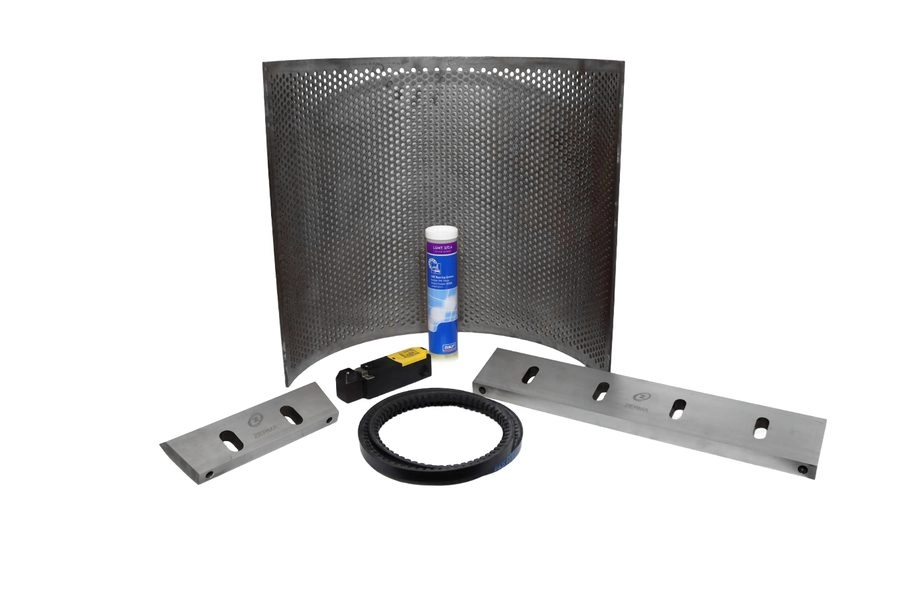
Genuine Spare Parts
Knives and screens that keep the cutting edge sharp and the particle size on target between services.
Material Testing
See the actual regrind and fines your material produces before you buy, so the setup fits your feedstock.
Protect your blades and your regrind value
Order machines, metal separation, and genuine spare parts through Virtus Equipment Direct, our online store serving ZERMA America customers.
Frequently asked questions
Where should metal separation go in my line?
Ahead of the cutting chamber. Metal does its damage the instant it hits the knives, so detecting and removing it upstream is the only real protection. A metal separation accessory costs a fraction of the knives, rotor repair, and downtime a single tramp bolt can cause.
Why is my regrind selling for less than I expected?
Usually contamination or fines. Buyers increasingly demand high purity, and material with mixed content, residue, or excessive fines is discounted heavily. Check for dull knives (which raise fines), confirm your screen matches the flake size you are targeting, and keep the stream free of grit and foreign material.
How do I reduce fines without slowing the machine down?
Keep knives sharp, choose the right screen for your target size, and avoid re-processing material that is already cut to size. Dull edges smear and crush rather than slice, which is a leading cause of excess fines. A low-speed, high-torque granulator also tends to generate fewer fines than a high-speed grinder for the same job.
Is abrasive wear just unavoidable with dirty feedstock?
You cannot eliminate it, but you can manage it. Keep material off the floor and out of the dirt where possible, choose cutting components suited to abrasive material, and plan your maintenance interval around the wear rate your feedstock actually causes rather than a generic schedule.