Cutting plastic turns mechanical work into heat, and heat softens flake, degrades polymer, and stresses machines. It rarely gets discussed until regrind starts clumping. Here is where the heat comes from and how to keep it in check.
Size reduction is, at bottom, a conversion of energy. The drive motor puts mechanical work into the rotor, the knives do work on the plastic, and a good share of that energy ends up as heat in the cutting chamber, the flake, and the machine itself. For most operations this is invisible right up until it is not, when regrind starts to soften, clump, or come out discolored, and someone asks what changed. In much of North America the problem is seasonal: a plant that runs cool through the winter can see the same machine and the same material behave very differently through a Gulf Coast or Southwest summer, when ambient heat stacks on top of process heat.
Where the heat comes from
Three sources dominate:
- Cutting friction. Every pass of a knife against material generates heat. A clean slice converts most of the energy into a cut; a dull edge that smears and crushes instead converts far more of it into heat.
- Rotor speed. High rotational speed means more cutting events per second and more frictional heating, especially with soft or heat-sensitive resins. This is a major reason low-speed granulation runs cooler than high-speed grinding.
- Recirculation. Flake that lingers in the chamber, or fines that pack against the screen, keeps getting struck and reheated instead of clearing out. Poor evacuation is a heat problem as much as a throughput one.
Why heat matters to your regrind
Heat is not a cosmetic issue. It touches product quality and machine life at the same time.
| Effect of excess heat | What you see |
|---|---|
| Polymer degradation | Discoloration, reduced properties when the regrind is remelted, lower value |
| Softened flake | Flake smears across the screen, blinds perforations, and drops throughput |
| Clumping & bridging | Softened regrind sticks together, jams evacuation, and needs rework |
| Machine wear | Heat stresses bearings, seals, and cutting components over time |
Heat-sensitive resins make this sharper. A material that is fine at moderate temperature can smear and gum the moment cutting heat pushes it toward its softening point. Once flake softens against the screen, throughput and quality fall together, which is why a heat problem often first looks like a throughput problem.
Low speed is the biggest lever
The single most effective way to cut heat is to cut slower. A low-speed, high-torque granulator does its work with fewer, more deliberate cutting events rather than a high-speed barrage, which means less frictional heating and, as a bonus, less noise, less dust, and fewer fines. For heat-sensitive resins and for operations that care most about clean regrind, this is often the decisive design choice.
Illustrative: how cutting strategy and edge condition drive chamber temperature

Illustrative relationship. Slower cutting and sharp edges convert more energy into clean cuts and less into heat.
The other levers
- Keep knives sharp. A sharp edge slices; a dull one smears and heats. Blade maintenance is a temperature-control measure, not just a quality one.
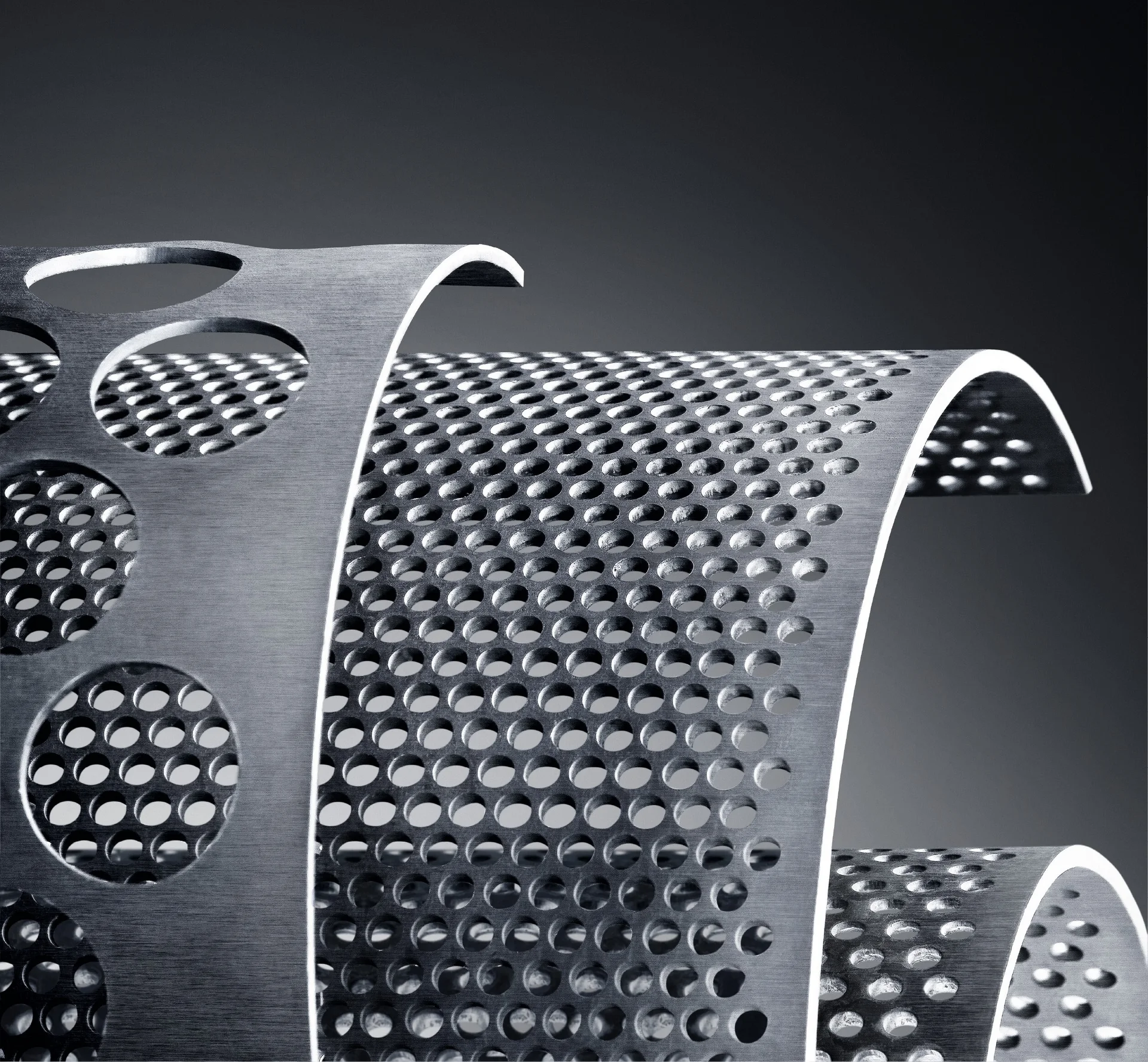
- Match the screen. A screen that is too fine forces material to be recut repeatedly, packing the chamber and building heat. Sizing the screen to the flake you actually need lets material clear on the first pass.
- Evacuate the chamber. Airflow and conveying that pull flake out promptly prevent recirculation heating. Blowers and properly sized evacuation are part of thermal management, not just handling.
- Sound-dampened enclosures cut two ways. Compact soundproofed granulators are chosen for noise, but managing airflow and evacuation within the enclosure keeps heat under control too.
Machines built to run cool and clean
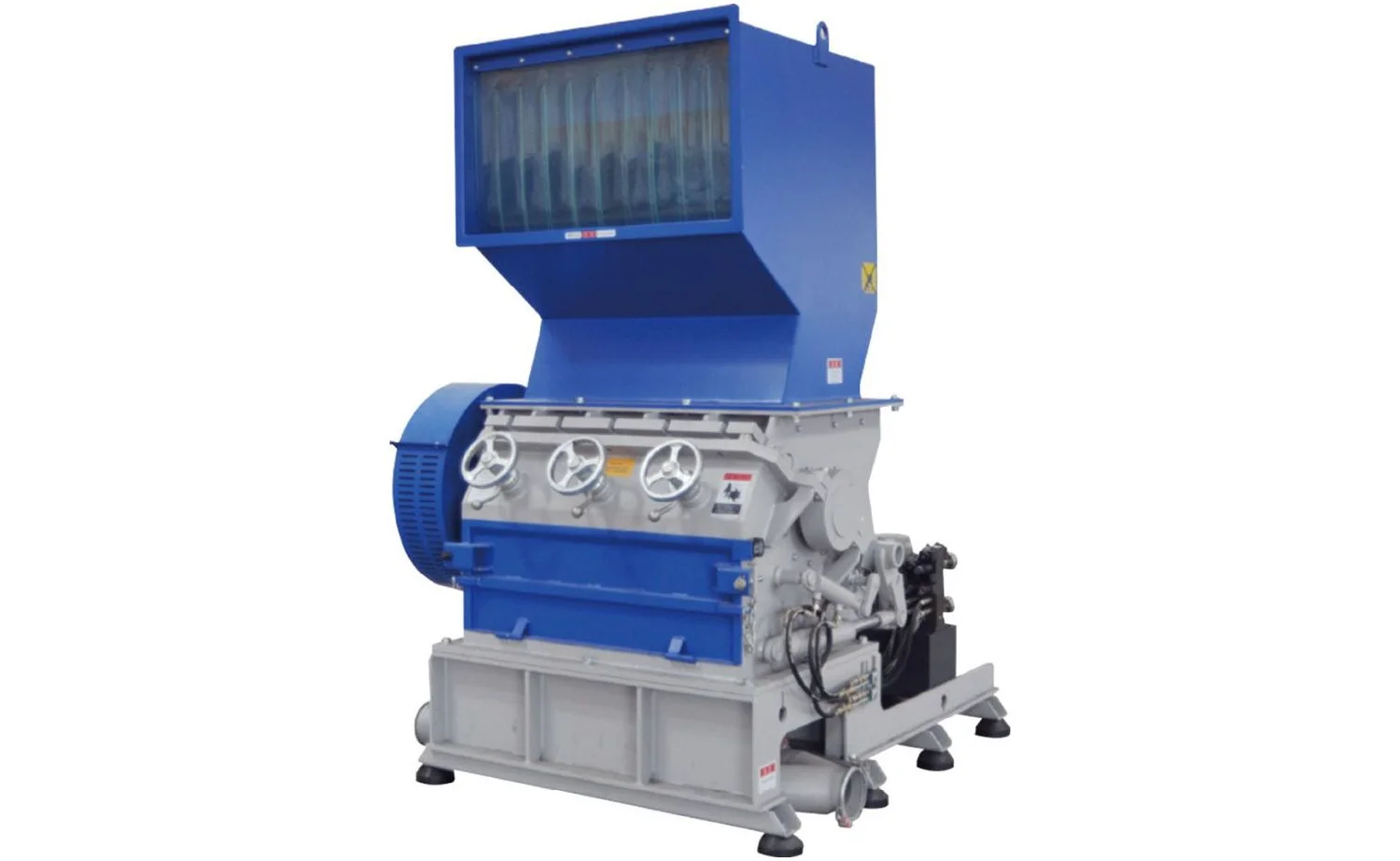
GSL Slow-Speed Granulator
Low-speed, high-torque cutting that runs cooler with less dust and fewer fines, ideal for heat-sensitive resins.
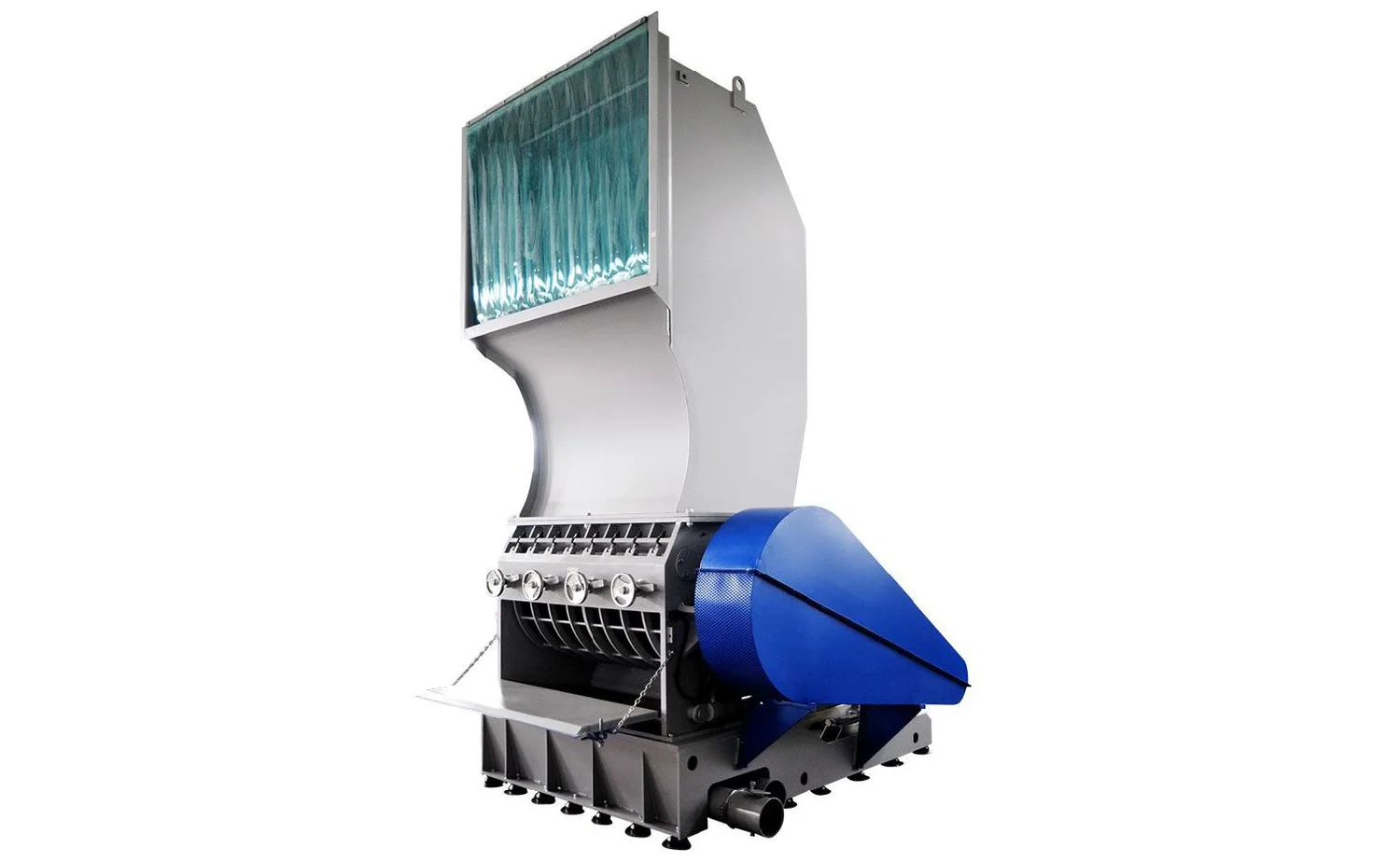
GSC Compact Soundproofed Granulator
Enclosed granulation with managed airflow, controlling both noise and chamber heat beside the press.
Knives & Screens
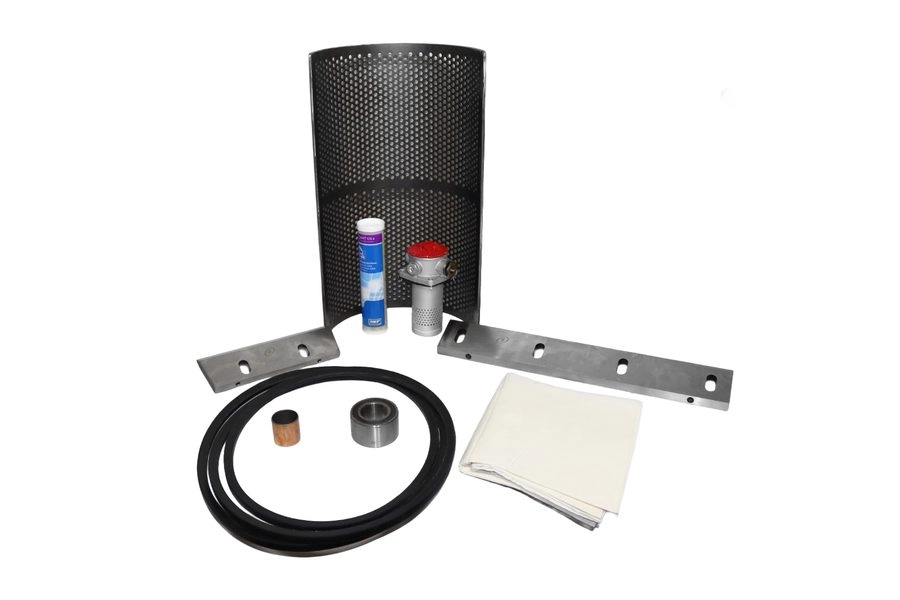
Genuine cutting components and screens that keep edges sharp and material clearing on the first pass.
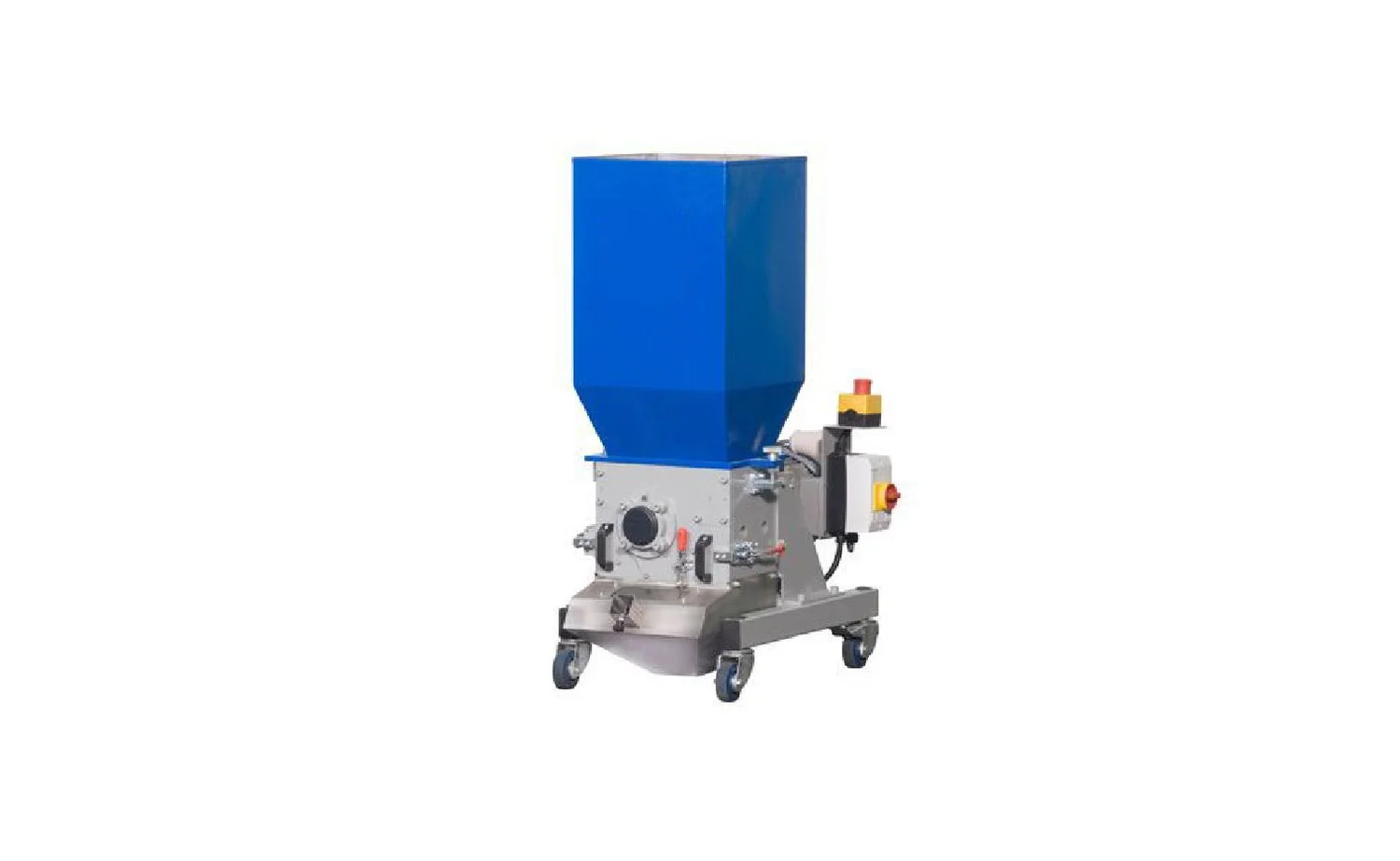
Blowers & Evacuation
Airflow and conveying accessories that pull flake out promptly and prevent recirculation heating.
If you are processing a heat-sensitive resin, testing is the surest way to confirm the setup runs cool enough. ZERMA America offers material testing on your own feedstock.
Keep your regrind cool, clean, and valuable
Order low-speed granulators, screens, and evacuation accessories through Virtus Equipment Direct, our online store serving ZERMA America customers.
Frequently asked questions
My regrind is clumping. Is that a heat problem?
Very often, yes. When cutting heat pushes flake toward its softening point, the material smears across the screen and sticks together, which shows up as clumping and blinded screen perforations. Check knife sharpness, screen sizing, and evacuation first; those are the usual heat culprits. Slower cutting also helps with heat-sensitive resins.
Does a low-speed granulator really run cooler?
Generally yes. Fewer, more deliberate cutting events at low speed generate less frictional heat than a high-speed barrage, and low-speed high-torque cutting also produces less dust and fewer fines. For heat-sensitive resins and operations that prioritize clean regrind, it is often the better choice on temperature grounds alone.
Can the wrong screen cause overheating?
It can. A screen finer than you actually need forces material to be recut repeatedly before it can clear, which packs the chamber and builds heat. Sizing the screen to the flake your process genuinely requires lets material exit on the first pass and keeps the chamber cooler.
How does airflow relate to heat?
Directly. Flake that lingers in the chamber keeps getting struck and reheated. Proper evacuation, blowers and correctly sized conveying, pulls regrind out promptly so it stops absorbing heat. Airflow is part of thermal management, not just material handling.