


The First Day Sets the Whole Service Life
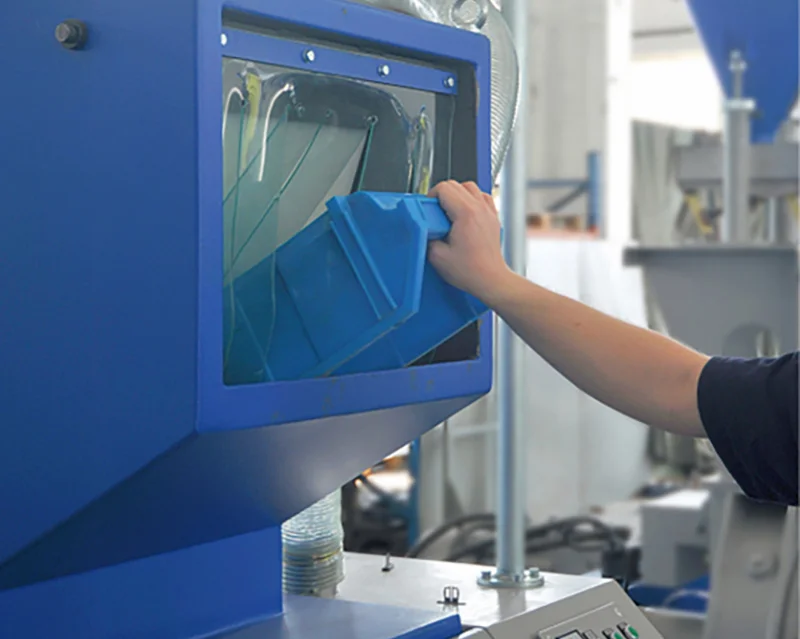
A new shredder or granulator is easiest to ruin in its first few hours: skipped guarding checks, a rushed first feed, a break-in nobody did. Here is a practical commissioning checklist that protects the machine and the operator from day one. The failures that stop a line are almost never surprises. They are the predictable […]
Heat Is the Enemy of Good Regrind

Cutting plastic turns mechanical work into heat, and heat softens flake, degrades polymer, and stresses machines. It rarely gets discussed until regrind starts clumping. Here is where the heat comes from and how to keep it in check. Size reduction is, at bottom, a conversion of energy. The drive motor puts mechanical work into the […]
The Spec Sheet Says 1,000 lb/hr. Your Floor Says 600. Both Can Be True.

A rated throughput number is an answer to a question about ideal material. Feed the machine something bulkier, harder, or finer, and the real number moves. Here is how to read a throughput figure so you size a machine that actually keeps up. Every throughput figure on a spec sheet carries an unstated assumption: that […]
Contamination Is the Silent Tax on Your Regrind
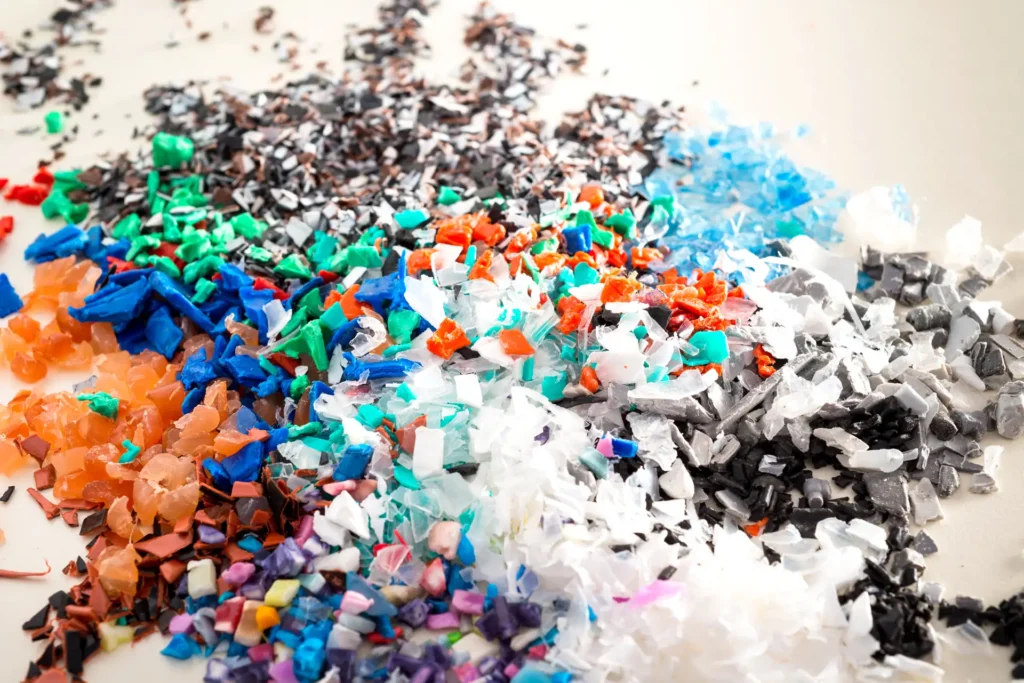
A tramp bolt, a handful of grit, a stream of fines. None of it shows up on the purchase order, but all of it shows up in your blade bills, your throughput, and the price your regrind fetches. Here is how to stop paying it. Two loads of the same plastic can be worth very […]
What Makes Regrind Valuable: Turning Plastic Scrap Into a Resin You Can Reuse
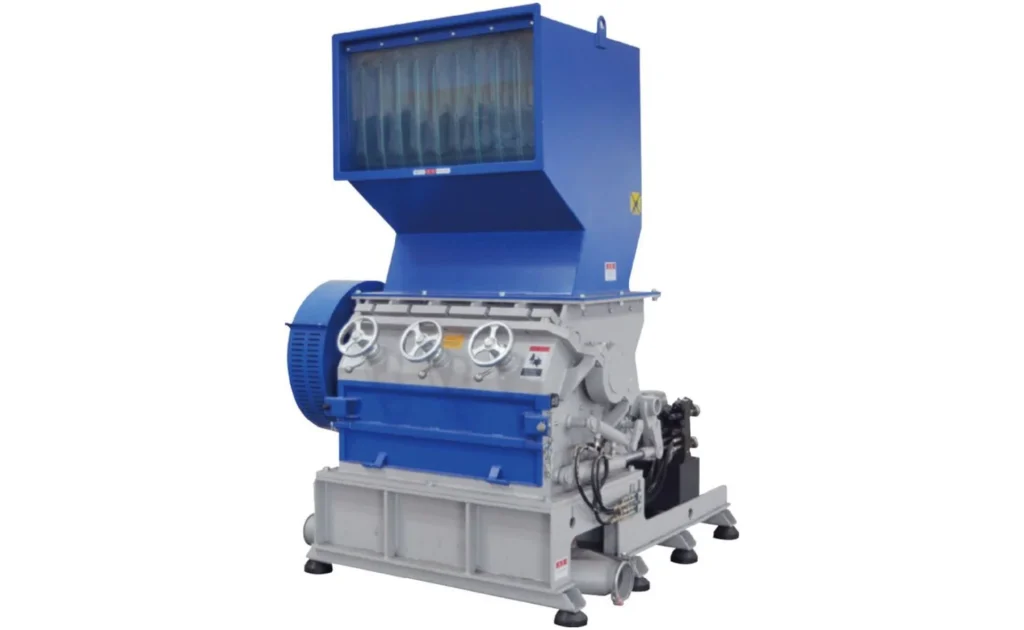
Two piles of the same plastic can be worth very different amounts. The difference is not the polymer. It is how clean, consistent, dry, and correctly sized the regrind is when it leaves the machine. Regrind is what a granulator produces: plastic scrap reduced to flake that can go back into a process. Whether that […]
Screen Size Explained: How One Number Controls Throughput, Fines, and Regrind Quality
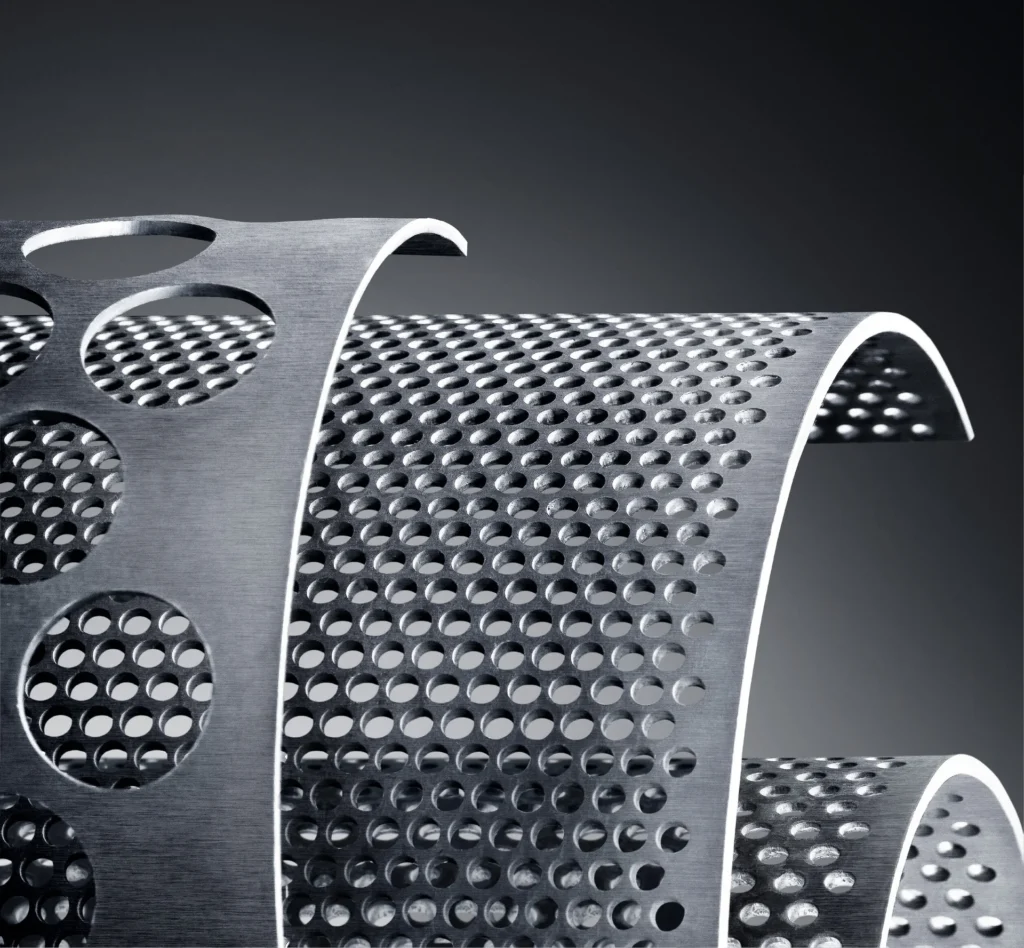
The screen is a perforated steel half-cylinder that costs a fraction of the machine around it. It may also be the single spec that most determines whether your regrind is usable. In a granulator, material stays in the cutting chamber until it is small enough to fall through the holes in the screen. That one […]
The Real Cost of a Granulator: Why Purchase Price Is the Smallest Number
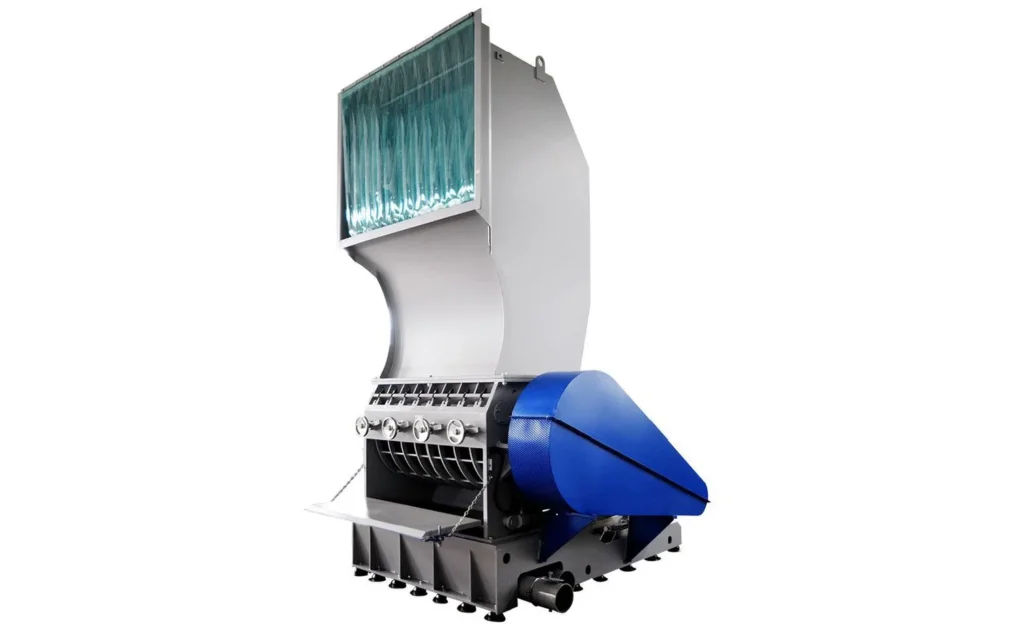
The sticker price is the one cost you pay once. Energy, blades, downtime, and the value of the regrind you produce are the costs you pay every hour for a decade. That is where the real decision lives. There is a familiar way that buying equipment goes wrong. The purchase price comes in under budget, […]
Noise, Dust, and Safety in the Size-Reduction Room: What OSHA Expects
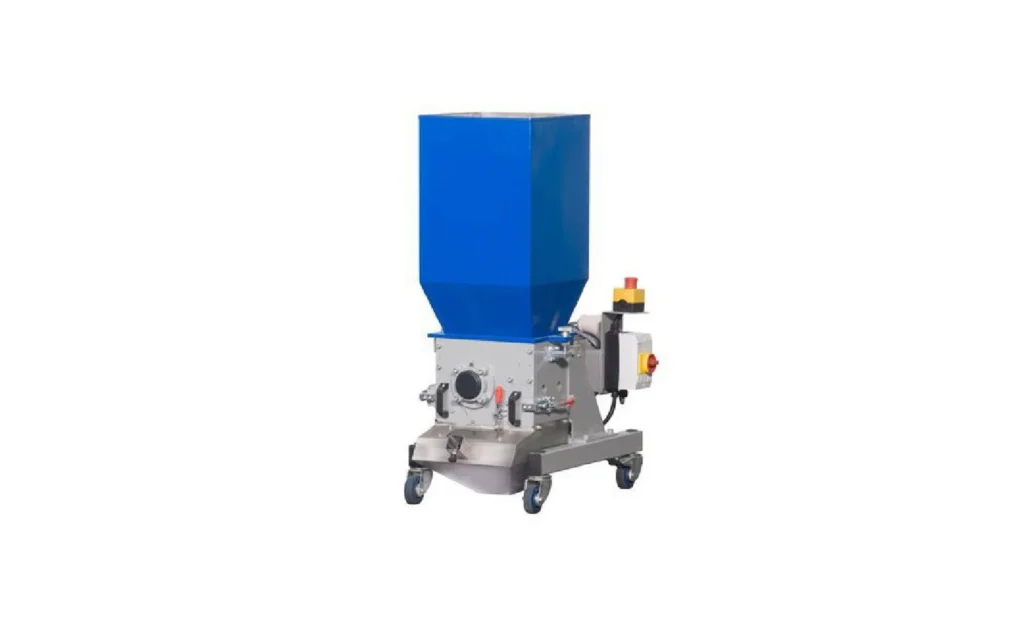
Cutting plastic at industrial scale is loud and it makes dust. Both are manageable, and both are governed by rules worth knowing before an inspector, or an incident, raises the question for you. A granulator or shredder is a rotating mass of steel knives turning at speed against tough material. It is one of the […]
The Size-Reduction Maintenance Schedule That Prevents 70% of Downtime
The failures that stop a line are almost never surprises. They are worn parts that nobody inspected on a schedule. Here is the daily-to-annual rhythm that keeps a granulator or shredder running. A size-reduction machine tells you it is in trouble long before it fails. Regrind drifts out of spec. The motor draws more current […]
Blade Steel and Rotor Geometry: What Actually Determines Granulator Cutting Life
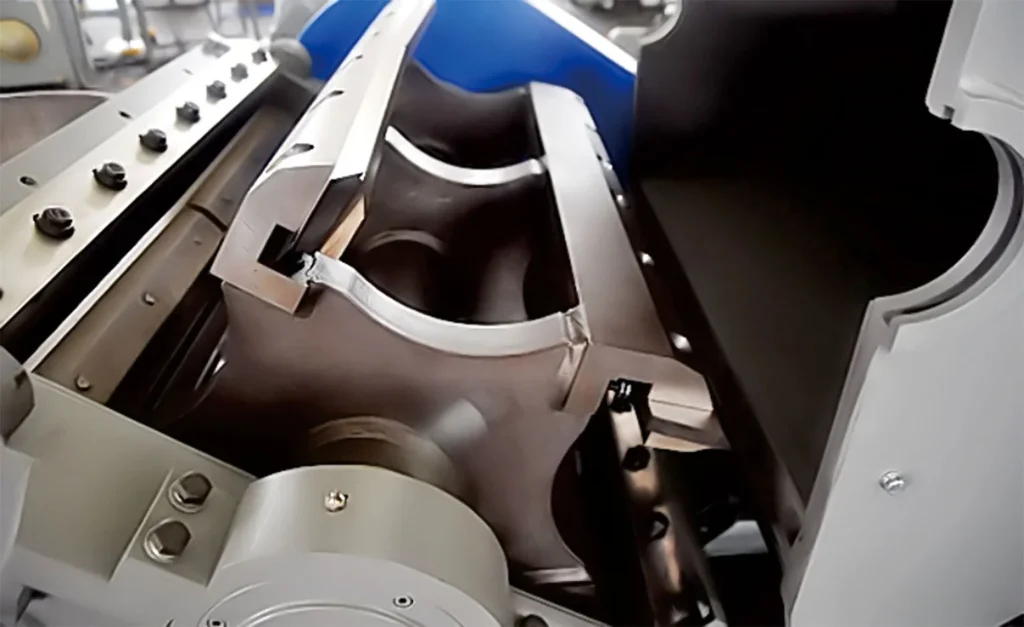
Two granulators with identical horsepower can differ by a factor of three in blade life. The reason is rarely the motor. It is the steel in the knives and the geometry that presents them to the plastic. Ask two questions about any granulator and you can predict most of its operating cost: what are the […]